

Principles and Application Scenarios of Long-Distance Pneumatic Conveying Systems
Long-distance pneumatic conveying systems represent a sophisticated method for transporting bulk materials over extended distances through the use of air pressure or vacuum. This technology has become increasingly vital in various industrial sectors, offering efficient and flexible solutions for material handling challenges. The core principle involves the movement of particles within a pipeline by air flow, which can be generated through positive pressure or negative pressure systems. Understanding the underlying mechanics and diverse application scenarios is crucial for selecting the most suitable system for specific operational needs.
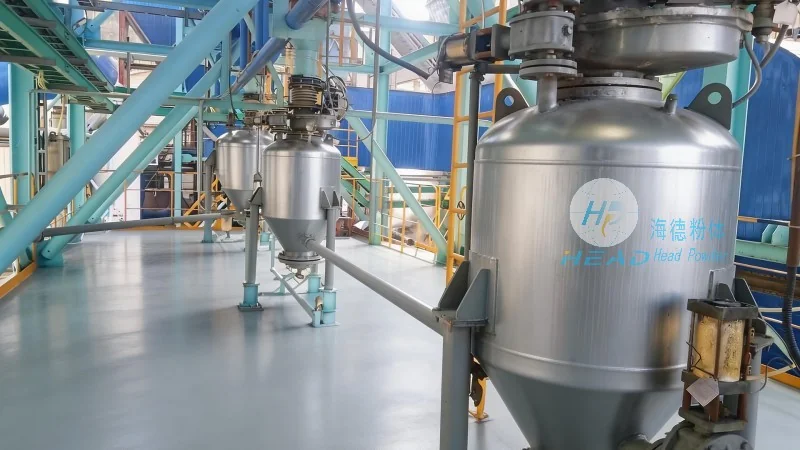
The Fundamental Principles of Pneumatic Conveying
At the heart of long-distance pneumatic conveying lies the interaction between air and bulk materials. The system operates by creating a flow of air that propels or pulls the material through a pipeline. Positive pressure systems, also known as pressure conveying, use a blower or compressor to generate air pressure that pushes the material forward. Conversely, negative pressure systems, or vacuum conveying, employ a vacuum pump to create a suction effect that draws material into the pipeline. The choice between these systems depends on factors such as material characteristics, distance, and system layout. For instance, pressure conveying is often preferred for longer distances and abrasive materials, while vacuum conveying may be more suitable for delicate or fine powders.
Key Components and Their Roles
Several critical components work in tandem to ensure the efficient operation of a long-distance pneumatic conveying system. These include the air source (blower or vacuum pump), the material feed hopper, the conveying pipeline, and the discharge equipment. The air source provides the necessary pressure or vacuum, while the feed hopper ensures a consistent supply of material. The pipeline, typically made of metal or plastic, must be designed to withstand the pressure or vacuum and prevent material buildup. Additionally, components like filters, cyclones, and rotary valves are essential for maintaining system performance and preventing contamination. Proper maintenance of these components is vital to minimize downtime and ensure long-term reliability.
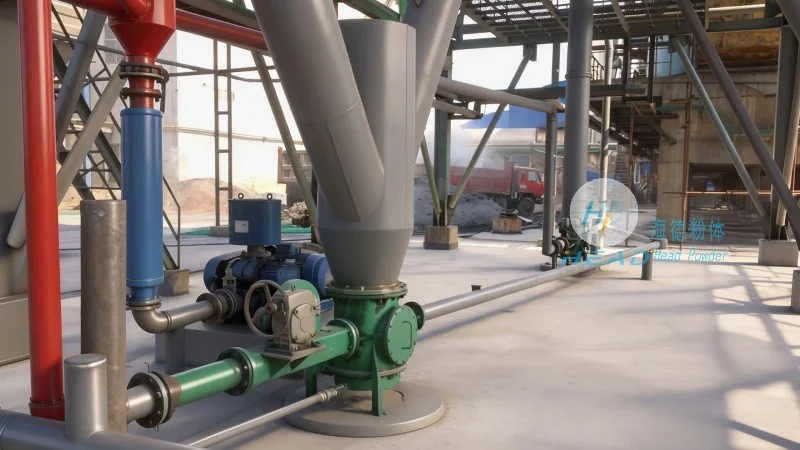
Application Scenarios and Industry Use Cases
Long-distance pneumatic conveying systems find applications across a wide range of industries, each with unique requirements. In the pharmaceutical industry, for example, these systems are used to transport fine powders and granules with high precision, ensuring minimal product contamination. The food and beverage sector utilizes them for handling dry ingredients like flour, sugar, and spices, maintaining hygiene standards and preventing cross-contamination. In the chemical industry, the systems are employed to transport abrasive and corrosive materials, such as powders and pellets, while protecting operators from direct exposure. The mining and minerals sector also benefits from these systems, as they efficiently convey raw materials from processing plants to storage facilities over long distances. Each application scenario demands tailored system designs, considering factors like material density, flow rate, and environmental regulations.
Advantages of Long-Distance Pneumatic Conveying
Compared to traditional mechanical conveying methods, long-distance pneumatic conveying offers several advantages. One of the primary benefits is the ability to transport materials in a closed system, which reduces dust emissions and improves workplace safety. This is particularly important in industries where dust is a health hazard or environmental concern. Additionally, the system allows for flexible routing, enabling materials to be transported to multiple destinations from a single source. The lack of moving parts in the pipeline itself reduces maintenance requirements and extends the system's lifespan. Furthermore, pneumatic conveying can handle a wide variety of materials, including fine powders, granules, and even bulk solids, making it a versatile solution for diverse operational needs.
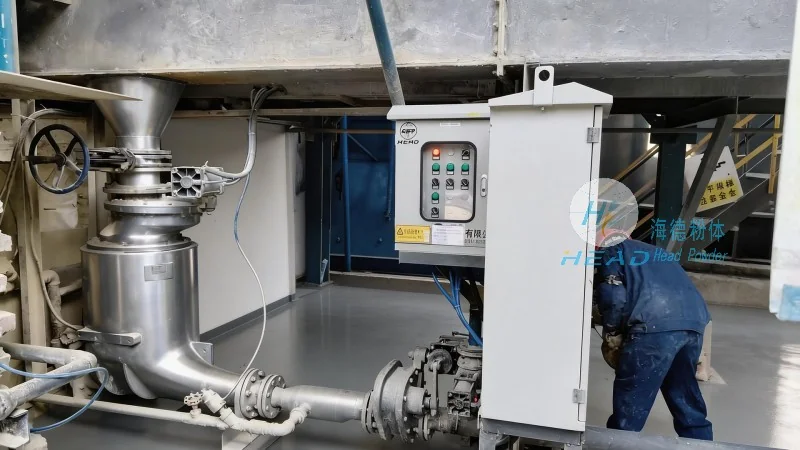
Customization and System Design Considerations
Given the diverse nature of industrial applications, long-distance pneumatic conveying systems are often customized to meet specific requirements. System designers consider factors such as the distance between the source and destination, the volume of material to be transported, and the material's physical properties. For example, a system transporting high-density materials may require higher air pressure or a larger pipeline diameter to maintain flow rates. The choice of air source also depends on the application; for instance, a high-capacity system might use a large blower, while a system for fine powders may opt for a vacuum pump with high suction capacity. Additionally, the integration of automation and control systems can enhance operational efficiency, allowing for real-time monitoring and adjustment of system parameters.
About Shandong HeadPowder Engineering Co., Ltd.
Shandong HeadPowder Engineering Co., Ltd., operating under the brand name headpowder, is a leading provider of advanced pneumatic conveying solutions. With a strong commitment to innovation and quality, the company specializes in designing, manufacturing, and installing long-distance pneumatic conveying systems tailored to the needs of various industries. HeadPowder's team of experienced engineers leverages cutting-edge technology and industry best practices to deliver reliable and efficient systems that meet the highest standards of performance and safety. The company's headquarters is located in Shandong, China, where it maintains state-of-the-art facilities for research, development, and production. By combining technical expertise with customer-centric approaches, headpowder aims to provide sustainable and cost-effective solutions for material handling challenges worldwide.