

Principle and Application Characteristics of Hydrogen Sulfide Pneumatic Conveying Systems
HeadPowder, a leading engineering company based in Shandong, China, specializes in the design and implementation of advanced pneumatic conveying systems for handling hydrogen sulfide (H₂S) materials. This article explores the fundamental principles behind these systems and highlights the key characteristics of their operational scenarios, providing a comprehensive overview for industry professionals seeking efficient and safe material transport solutions.
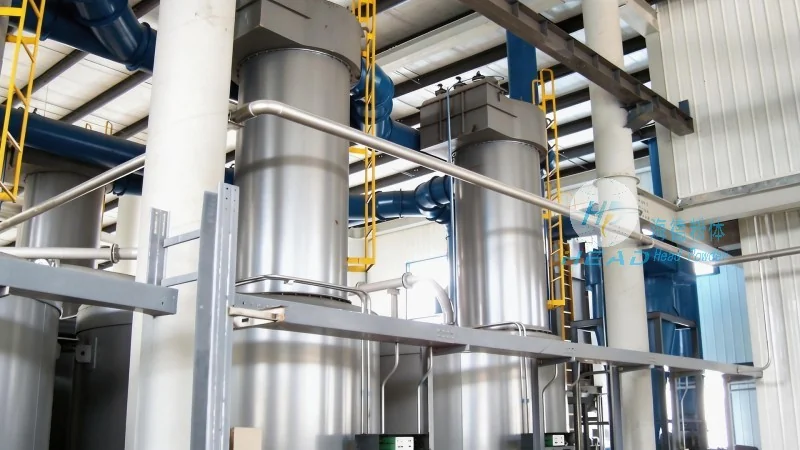
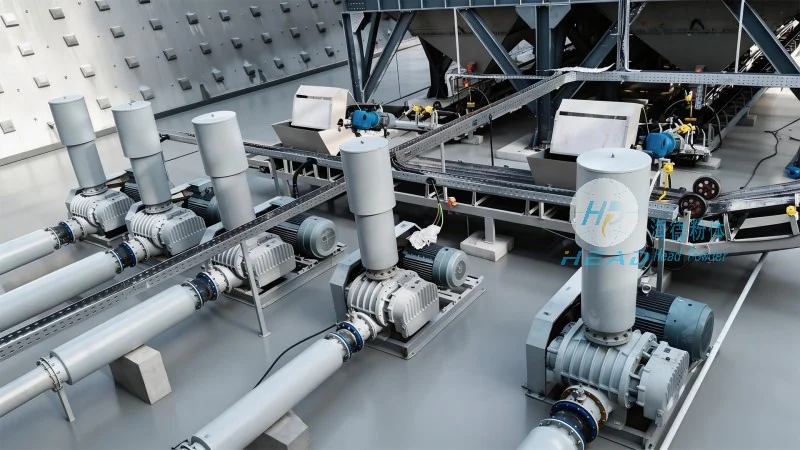
Understanding the Core Principles of Hydrogen Sulfide Pneumatic Conveying Systems
The operation of a hydrogen sulfide pneumatic conveying system relies on the principles of fluid dynamics and particle transport. At its essence, the system uses a carrier gas, typically air or a specialized gas mixture, to transport solid or liquid particles of hydrogen sulfide through a pipeline network. The process involves several critical components, including a feed hopper, a rotary airlock valve, a conveying line, and a receiver or discharge point. The feed hopper stores the H₂S material, and the rotary airlock valve controls the flow of material into the conveying line, ensuring a consistent and controlled feed rate. The carrier gas, often introduced at a high velocity, creates a fluidized or suspended state for the H₂S particles, allowing them to be transported efficiently over long distances or to elevated locations. The receiver then collects the material, completing the transport cycle. This method eliminates the need for mechanical components like belts or buckets, reducing maintenance requirements and minimizing the risk of material contamination or degradation.
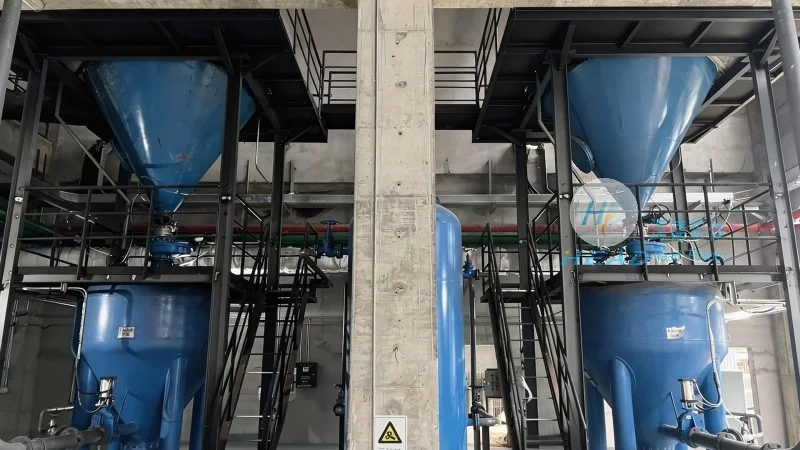
Key Application Characteristics and Operational Scenarios
The use of hydrogen sulfide pneumatic conveying systems is characterized by several distinct features that make them suitable for specific industrial applications. One primary advantage is their ability to handle hazardous materials like H₂S in a controlled and enclosed environment, which enhances safety by preventing exposure to workers and minimizing environmental risks. The systems are also highly flexible, capable of transporting materials over varying distances and to different elevations, adapting to the layout of industrial facilities. Additionally, the enclosed nature of the conveying line reduces dust generation and odor release, contributing to better workplace air quality and compliance with environmental regulations. Another significant characteristic is the system's scalability, allowing it to be customized for both small-scale laboratory applications and large-scale industrial operations, such as in chemical processing plants or waste management facilities. The operational scenarios often involve the transport of H₂S from storage tanks or reactors to processing units, or from processing units to storage or disposal sites. The systems are designed to operate under varying pressure conditions, from low-pressure dilute phase conveying to high-pressure dense phase conveying, depending on the specific material properties and transport requirements. This adaptability ensures that the system can be optimized for different H₂S concentrations and particle sizes, ensuring efficient and reliable transport under diverse conditions.
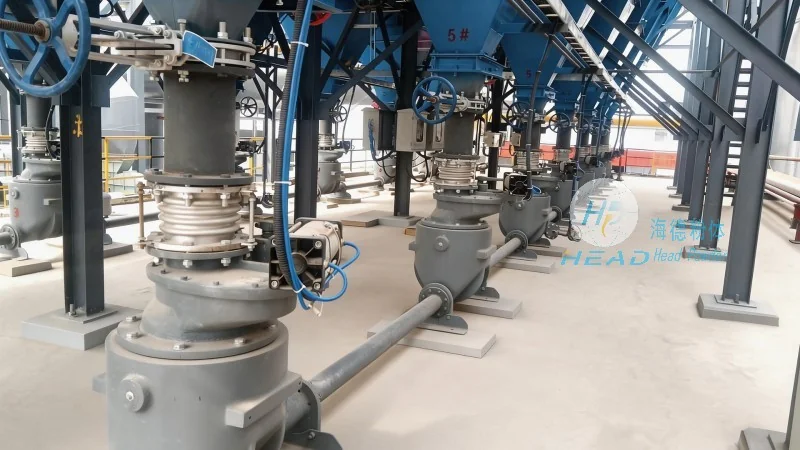
Technical Advantages and Practical Considerations
When evaluating hydrogen sulfide pneumatic conveying systems, several technical advantages and practical considerations are important to consider. The primary technical advantage is the reduction in mechanical wear and tear compared to traditional mechanical conveying systems, as the material is transported entirely by the carrier gas. This leads to lower maintenance costs and longer equipment lifespan. Additionally, the enclosed system design minimizes the risk of material spillage or leakage, which is critical for handling hazardous substances like H₂S. From a practical standpoint, the systems require less floor space compared to bulk handling equipment, making them suitable for facilities with limited space. However, the design must account for the corrosive nature of H₂S, which can affect the materials used in the system components. Stainless steel or specialized corrosion-resistant materials are typically employed for the conveying line, valves, and other critical parts to ensure durability and safety. The system also requires proper ventilation and gas detection equipment to monitor for H₂S leaks, ensuring compliance with safety standards. Furthermore, the energy consumption of the system, particularly the air compressor, is a key factor in operational costs. Efficient compressor designs and energy-saving measures can help reduce long-term operational expenses. The overall performance of the system, including transport velocity, pressure drop, and material handling capacity, is influenced by factors such as particle size, density, and the type of carrier gas used. Proper system design and regular maintenance are essential to achieve optimal performance and extend the system's operational life.