

Principle and Working Scene Characteristics of a Copper Oxide Pneumatic Conveying System
Shandong HeadPowder Engineering Co., Ltd., commonly known as headpowder, is a professional enterprise specializing in the research, development, and application of advanced material handling technologies. Based in Shandong, China, the company focuses on providing efficient and reliable solutions for the transportation of various powders, including copper oxide, through pneumatic conveying systems.
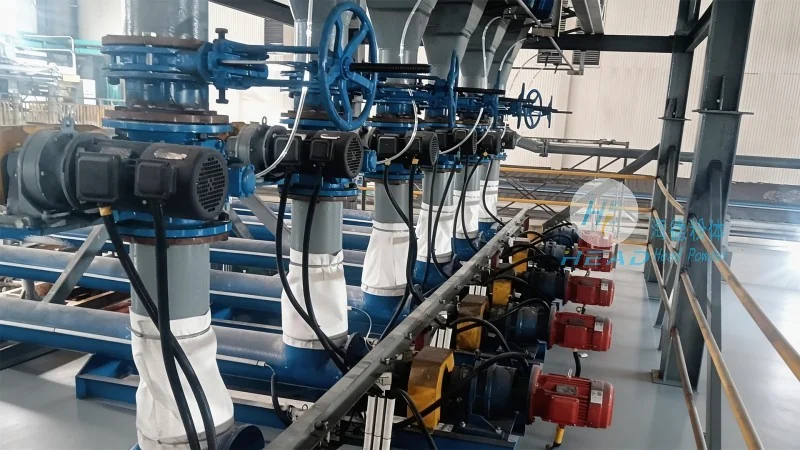
Principle of Copper Oxide Pneumatic Conveying Systems
A copper oxide pneumatic conveying system operates on the fundamental principle of using compressed air to transport solid particles, such as copper oxide powder, through a pipeline. The system typically consists of several key components, including a material feeder, a pressure vessel or air lock, a conveying line, and a dust collector. The process begins when copper oxide powder is fed into the system. Compressed air is then introduced into the material feeder, creating a high-velocity air stream that lifts and transports the powder particles through the pipeline. The air stream maintains the powder in a suspended state, preventing blockages and ensuring smooth flow. The system may employ different conveying modes, such as dilute-phase or dense-phase, depending on the specific requirements of the application. Dilute-phase conveying uses higher air velocities to transport the powder in a dispersed state, while dense-phase conveying uses lower air velocities to move the powder in a more concentrated form, reducing the risk of material degradation and equipment wear.
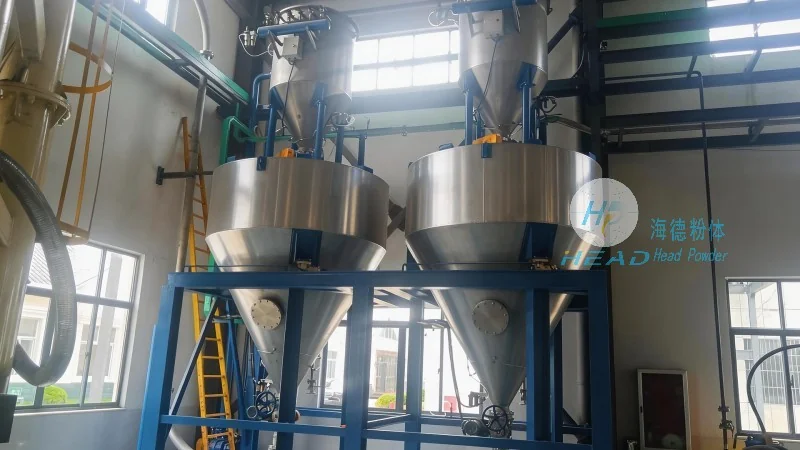
Working Scene Characteristics of Copper Oxide Pneumatic Conveying Systems
The working scene characteristics of a copper oxide pneumatic conveying system are tailored to meet the unique demands of industrial applications. These systems are commonly used in scenarios where copper oxide powder needs to be transported over long distances or between different processing units within a manufacturing facility. The key characteristics include high efficiency, minimal material loss, and the ability to handle varying powder flow rates. The system's design allows for flexible integration into existing production lines, ensuring seamless operation and reduced downtime. Additionally, the pneumatic conveying process helps maintain the quality of the copper oxide powder by minimizing exposure to external contaminants and preventing agglomeration, which is crucial for applications in the chemical and metallurgical industries. The working environment is typically controlled to ensure optimal performance, with considerations for temperature, humidity, and air quality to protect both the equipment and the material being transported.
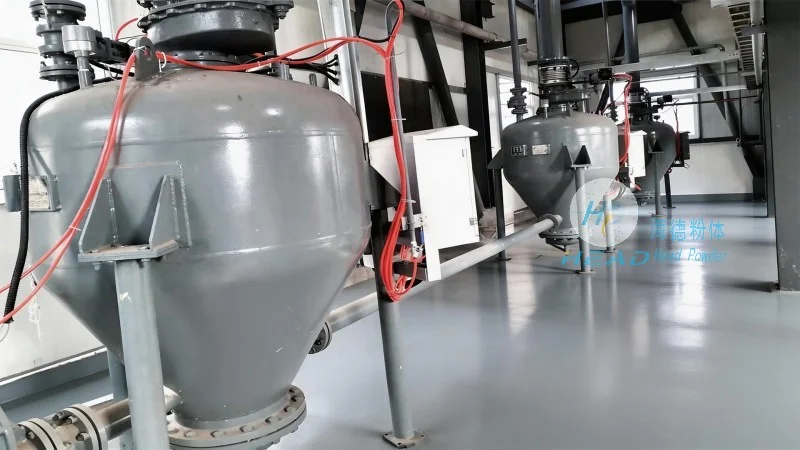
Key Components and Their Roles in the System
Each component of the copper oxide pneumatic conveying system plays a critical role in ensuring efficient operation. The material hopper stores the copper oxide powder and maintains a consistent feed rate. The air compressor generates the necessary compressed air, which is regulated to control the conveying pressure and flow. The feeder, often an air lock or rotary valve, controls the discharge of powder into the conveying line, preventing backflow and maintaining a steady flow. The conveying line, typically made of stainless steel or other corrosion-resistant materials, transports the powder and air mixture. The receiver collects the powder and may include a dust collection system to comply with environmental regulations. Sensors and control valves monitor and adjust the system parameters in real-time, ensuring stable performance and preventing issues such as overpressure or material blockage.
Advantages of Using Copper Oxide Pneumatic Conveying Systems
Implementing a copper oxide pneumatic conveying system offers several advantages over traditional material handling methods. One of the primary benefits is the reduction in material loss and contamination, as the enclosed system minimizes exposure to the environment. This is particularly important for copper oxide, which can be sensitive to moisture and air, affecting its quality and performance in downstream processes. Another advantage is the ability to transport materials over long distances with minimal energy consumption compared to belt conveyors or elevators. The system also provides flexibility in terms of layout, allowing for vertical and horizontal transport combinations to suit the specific needs of the facility. Additionally, the system's design facilitates easy integration with automation systems, enabling remote monitoring and control, which enhances operational efficiency and safety. The low maintenance requirements and long service life of the components further contribute to the overall cost-effectiveness of the system.
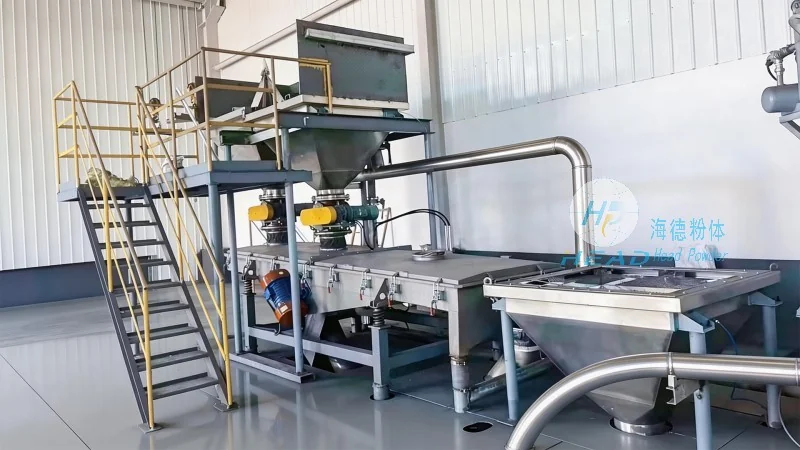
Application Examples in Industrial Settings
Copper oxide pneumatic conveying systems are widely used in various industrial applications, particularly in the copper metallurgy and chemical industries. For example, in copper smelting plants, the system is used to transport copper oxide from storage silos to furnaces for further processing. In chemical manufacturing, the system may be employed to move copper oxide powders between mixing and reaction units, ensuring a consistent supply of material for production. The system's ability to handle abrasive materials and maintain product quality makes it suitable for applications where material integrity is critical. In addition, the system's flexibility allows it to adapt to changing production schedules, making it a reliable choice for both continuous and batch production processes. The working scene characteristics, such as the ability to operate in controlled environments and handle varying flow rates, make the system ideal for industries where precision and consistency are paramount.