

Principle and Working Scene Characteristics of Fly Ash Silo Pneumatic Conveying Equipment
HeadPowder, a leading engineering company based in Shandong, China, specializes in the design and manufacturing of advanced pneumatic conveying systems for industrial applications. Among their portfolio is the fly ash silo pneumatic conveying equipment, a critical component in modern power plants and waste management facilities. This equipment is engineered to efficiently transport fly ash, a byproduct of coal combustion, from storage silos to processing or disposal sites. The following sections will explore the fundamental principles behind this technology and the specific working scene characteristics that define its operational effectiveness.
Understanding the Core Principle of Pneumatic Conveying
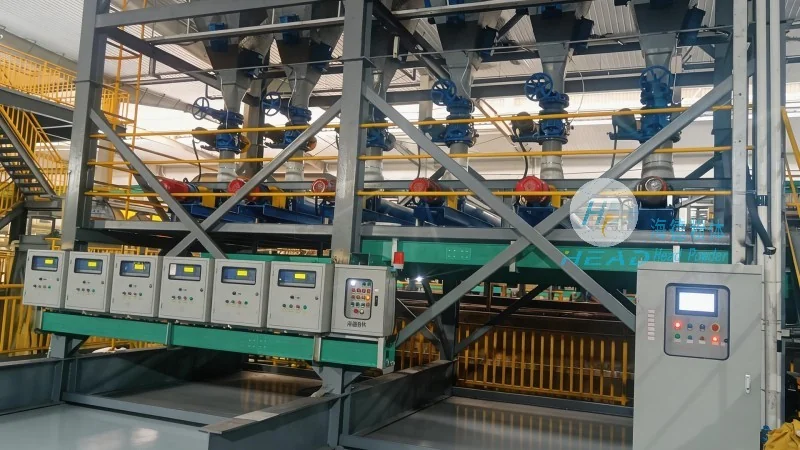
The fly ash silo pneumatic conveying system operates on the principle of using compressed air or gas to move bulk materials through a pipeline. Unlike mechanical systems that rely on belts, screws, or buckets, pneumatic conveying utilizes the kinetic energy of the air stream to propel the material. This method is particularly advantageous for handling fine, dusty materials like fly ash, which are prone to caking and blockage in traditional equipment. The system typically consists of a hopper, a blower or compressor, a pipeline network, and a discharge point. The process begins when fly ash is fed into the hopper from the silo. The blower then generates a high-pressure air stream that draws the material into the pipeline. As the air and material travel through the system, the air velocity is maintained at a level sufficient to prevent material settling or blockage. At the discharge point, the air is released, and the fly ash is deposited into the next stage of processing or storage. This principle allows for a continuous, dust-free operation that minimizes environmental impact and reduces maintenance costs.
Key Working Scene Characteristics
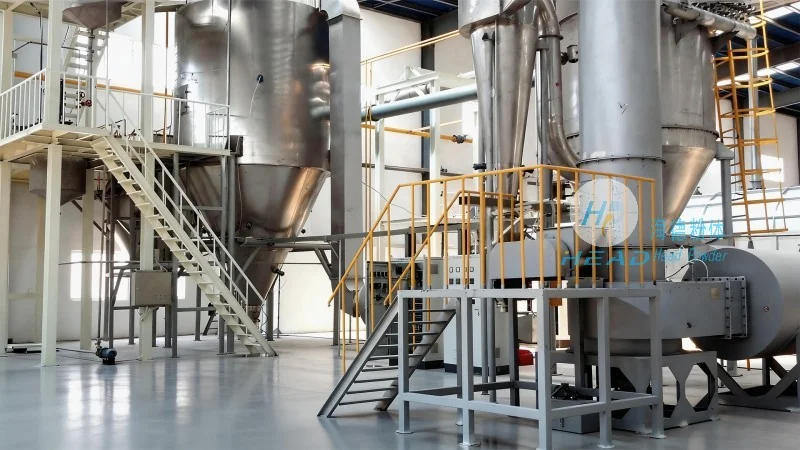
The effectiveness of the fly ash silo pneumatic conveying equipment is heavily influenced by its working scene characteristics, which include the material properties, system layout, and operational environment. First, the material properties of fly ash, such as its particle size distribution, moisture content, and density, directly impact the conveying efficiency. For instance, finer particles require higher air velocities to maintain suspension, while higher moisture content can lead to agglomeration, necessitating additional drying or conditioning steps. Second, the system layout, including the silo height, pipeline length, and number of bends, affects the overall pressure drop and energy consumption. A well-designed layout minimizes the number of bends and uses larger diameter pipes in high-conveying sections to reduce friction losses. Third, the operational environment, such as ambient temperature and air quality regulations, dictates the type of blower and filtration system required. For example, in industrial settings with strict emission controls, the system may incorporate high-efficiency particulate air (HEPA) filters to capture fine particles and prevent air pollution. These characteristics collectively determine the system's performance, reliability, and cost-effectiveness in real-world applications.
Applications and Industry Impact
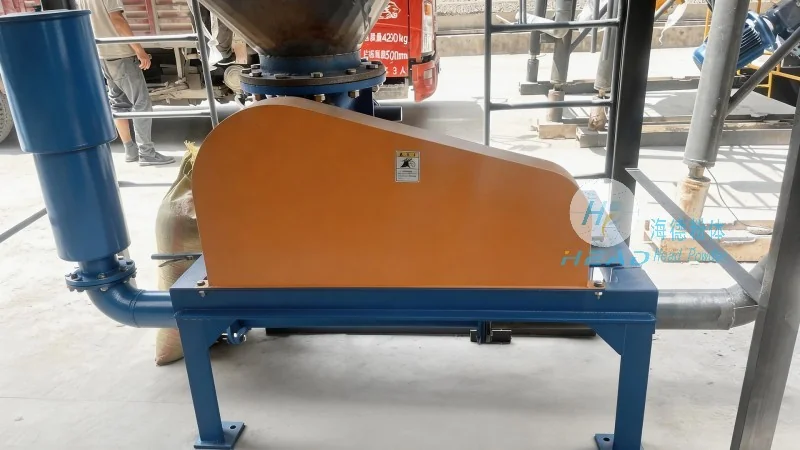
The fly ash silo pneumatic conveying equipment is widely used in various industrial sectors, primarily in the power generation industry where coal-fired power plants generate significant amounts of fly ash. The equipment is also applicable in waste management facilities that handle other fine bulk materials, such as cement, minerals, or agricultural products. In power plants, the system is crucial for transporting fly ash from the bottom of the boiler to the ash handling system or storage silos. This process ensures that the ash is removed efficiently, preventing overheating and damage to the boiler. The equipment's ability to operate in a closed system also reduces the risk of dust emissions, contributing to a cleaner and safer working environment. Additionally, the system's flexibility allows it to be integrated with other industrial processes, such as ash recycling or utilization in cement production. By optimizing the transportation of fly ash, the equipment supports the overall efficiency and sustainability of the power plant operations, aligning with the industry's goals of reducing waste and improving resource utilization.
Advantages and Technical Specifications
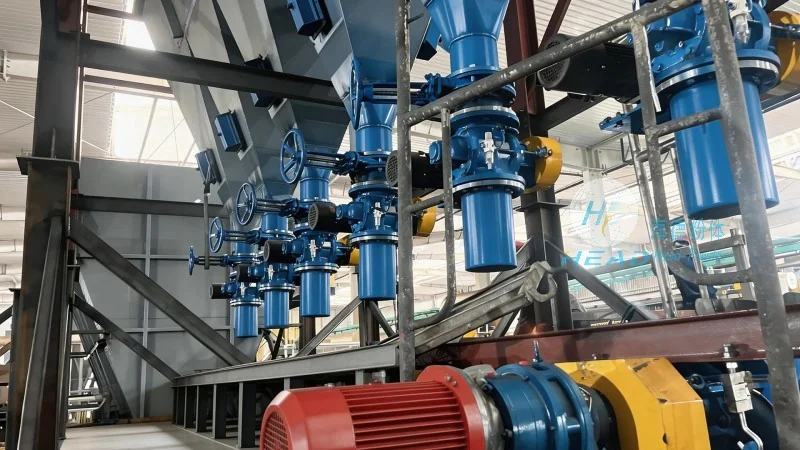
HeadPowder's fly ash silo pneumatic conveying equipment offers several advantages over traditional conveying methods. One of the primary benefits is its ability to handle fine, abrasive materials without causing wear and tear on components. The system's design minimizes the contact between the material and metal surfaces, extending the lifespan of the equipment. Another advantage is its low maintenance requirements, as there are fewer moving parts compared to mechanical systems. The pneumatic conveying system also provides better control over the material flow, allowing for precise dosing and regulation of the ash output. In terms of technical specifications, the equipment is available in various sizes and configurations to suit different plant capacities. The blower units can be equipped with variable frequency drives (VFDs) to adjust the air flow and pressure according to the conveying demand, enhancing energy efficiency. The pipeline network can be customized to include surge tanks or air receivers to stabilize the system and prevent pressure fluctuations. These technical features ensure that the equipment operates reliably and efficiently, meeting the stringent requirements of modern industrial applications.
Conclusion and Future Developments
In conclusion, the fly ash silo pneumatic conveying equipment is a sophisticated and essential technology for the efficient handling of fly ash in industrial settings. Its operation is based on the fundamental principle of pneumatic conveying, which leverages compressed air to transport bulk materials through a pipeline. The working scene characteristics, including material properties, system layout, and operational environment, play a critical role in determining the system's performance and effectiveness. HeadPowder, with its expertise in engineering and manufacturing, provides high-quality solutions that address the specific needs of power plants and waste management facilities. As the industry continues to focus on sustainability and efficiency, advancements in pneumatic conveying technology, such as improved filtration systems and energy-efficient blowers, are expected to further enhance the performance of these systems. The fly ash silo pneumatic conveying equipment remains a vital component in modern industrial operations, contributing to the safe and efficient management of bulk materials and supporting the overall goals of environmental protection and resource optimization.