

Principles and Application Scenarios of Ceramic Pneumatic Conveying Equipment
HeadPowder, a leading engineering company based in Shandong, China, specializes in the design and manufacturing of advanced pneumatic conveying systems tailored for the ceramic industry. The company's expertise lies in providing efficient and reliable solutions for material handling, particularly for ceramic powders and granules. This article explores the fundamental principles of ceramic pneumatic conveying equipment and highlights its key application scenarios, offering insights into how such systems enhance operational efficiency in the ceramic sector.
Understanding the Core Principles of Ceramic Pneumatic Conveying
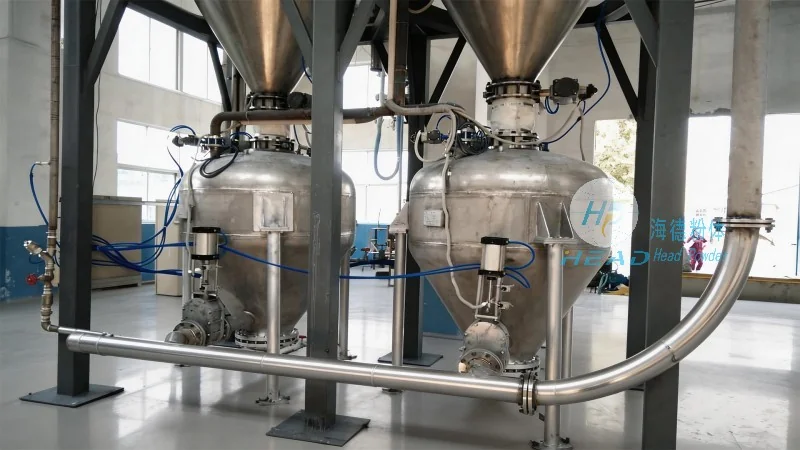
Ceramic pneumatic conveying equipment operates on the principle of transporting solid materials, such as ceramic powders and particles, using a stream of air. This method, known as pneumatic conveying, can be categorized into two main types: positive pressure (or pressure) systems and negative pressure (or vacuum) systems. Positive pressure systems generate air pressure within the conveying line, pushing the material forward, while negative pressure systems create a vacuum that draws the material into the system. For ceramic applications, the choice of system depends on factors like material properties, distance, and environmental considerations.
The equipment typically consists of several key components: a feeding device to introduce the ceramic material into the system, a conveying line (often made of corrosion-resistant materials like stainless steel or special alloys to withstand the abrasive nature of ceramic particles), a blower or compressor to generate the air flow, and a separation or collection unit to discharge the material at the destination. The design of these components is critical to ensure efficient and reliable operation. For instance, the feeding device must handle the specific flow characteristics of ceramic powders, which can vary in size, density, and moisture content. The conveying line must be robust enough to prevent wear and tear from the abrasive particles, while the blower must provide sufficient air volume and pressure to maintain consistent material transport.
Key Application Scenarios of Ceramic Pneumatic Conveying Equipment
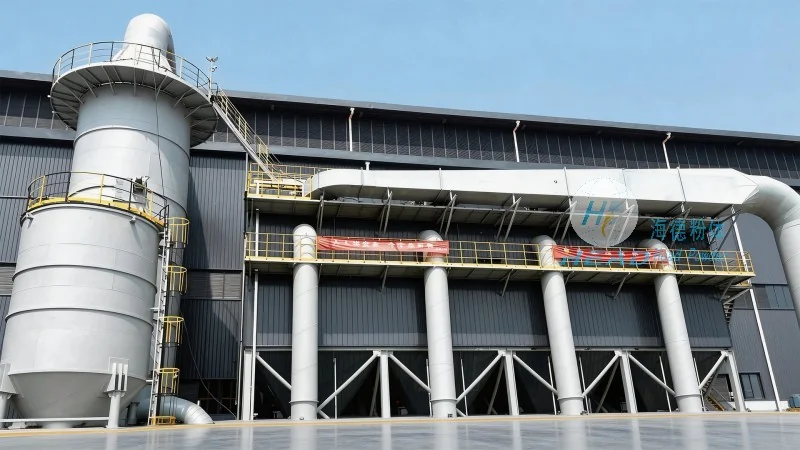
The versatility of ceramic pneumatic conveying systems makes them suitable for a wide range of industrial applications within the ceramic industry. One primary scenario is the transportation of raw materials, such as clay, feldspar, and other minerals, from storage silos to processing lines. This method offers a dust-free and efficient way to move bulk materials, reducing the risk of contamination and improving safety in the workplace. In addition, ceramic pneumatic conveyors are widely used for transporting finished products, such as ceramic tiles, sanitary ware, and porcelain, from production lines to packaging or storage areas. The ability to handle both raw and finished materials makes this equipment a valuable asset in integrated ceramic manufacturing processes.
Another important application scenario is the handling of ceramic waste or byproducts. Many ceramic production processes generate waste materials that need to be collected and disposed of or recycled. Pneumatic conveying systems can efficiently collect these waste materials from various points in the facility and transport them to a central collection or processing area. This not only improves the overall cleanliness of the production environment but also facilitates the recycling of valuable materials, contributing to sustainability in the ceramic industry.
Advantages and Considerations in Ceramic Pneumatic Conveying
Implementing ceramic pneumatic conveying equipment offers several advantages that make it a preferred choice for many ceramic manufacturers. One of the most significant benefits is the ability to achieve dust-free and enclosed material handling. Unlike traditional belt or bucket elevators, pneumatic systems keep the material contained within the conveying line, minimizing dust emissions and improving air quality in the workplace. This is particularly important in the ceramic industry, where dust can be harmful to workers and affect product quality.
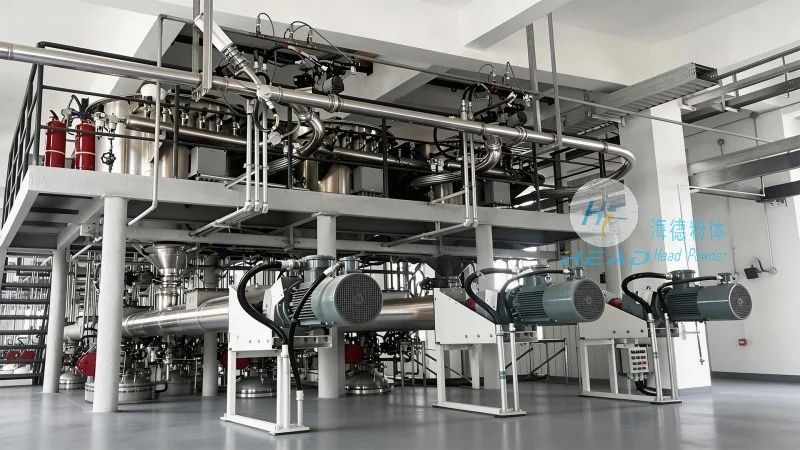
Efficiency is another key advantage. Pneumatic conveying systems can transport materials over long distances with minimal energy consumption compared to other methods like trucks or forklifts. The continuous flow of material through the system ensures a steady supply of raw materials or finished products, reducing downtime and improving overall productivity. Additionally, the compact design of these systems allows for easy integration into existing production lines, making them a flexible solution for various facility layouts.
However, there are also considerations to keep in mind when using ceramic pneumatic conveying equipment. The abrasive nature of ceramic particles can cause wear on the conveying line and other components over time, requiring regular maintenance and replacement of parts. The system's performance may also be affected by changes in material properties, such as moisture content or particle size distribution, which can impact the air flow and material transport efficiency. Proper system design and regular monitoring are essential to ensure optimal performance and longevity of the equipment.