

Acrylic Ester Rubber Pneumatic Conveying Equipment: Principles and Working Scenario Characteristics
Acrylic ester rubber pneumatic conveying equipment represents a sophisticated solution for material handling in various industrial applications. This technology leverages the principles of pneumatic transport to move bulk materials efficiently through a sealed system, offering advantages such as reduced contamination, improved safety, and enhanced process control. The equipment is particularly valued for its ability to handle a wide range of materials, including powders, granules, and fine particles, while maintaining high levels of performance and reliability.
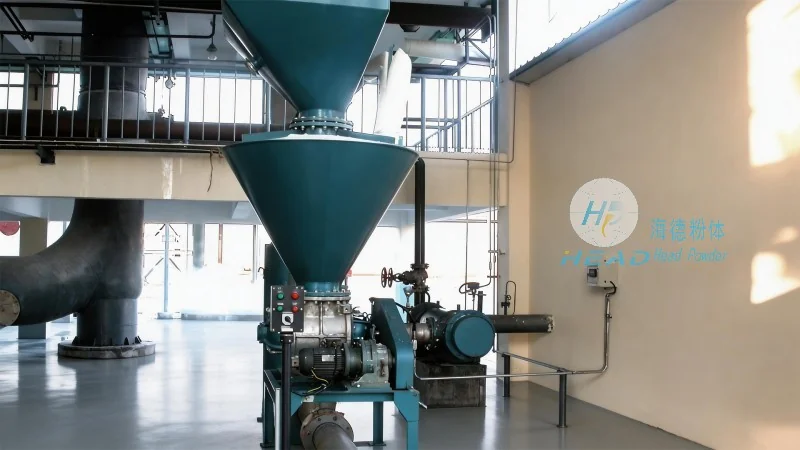
Introduction to Acrylic Ester Rubber Pneumatic Conveying Equipment
Pneumatic conveying systems utilize air or gas to transport solid materials, and the choice of rubber components, especially acrylic ester rubber, is critical for ensuring durability and performance under demanding conditions. Acrylic ester rubber is known for its excellent resistance to chemicals, abrasion, and temperature variations, making it an ideal material for the construction of conveying components like hoses, ducts, and seals. The equipment typically consists of a blower or compressor, a hopper for material storage, a conveying line, and a collection or separation unit. As the material is drawn or pushed through the system by the air flow, it is transported from the source to the destination, often with minimal human intervention.
Company Profile: HeadPowder
HeadPowder, or Shandong HeadPowder Engineering Co., Ltd., is a leading manufacturer specializing in industrial material handling solutions. Based in Shandong, China, the company has established itself as a trusted provider of pneumatic conveying equipment, including those utilizing acrylic ester rubber components. With a strong commitment to quality and innovation, HeadPowder offers customized solutions tailored to the specific needs of clients across diverse industries. The company’s facilities and expertise ensure that products meet stringent standards for performance, safety, and longevity, supporting efficient material transport in challenging environments.
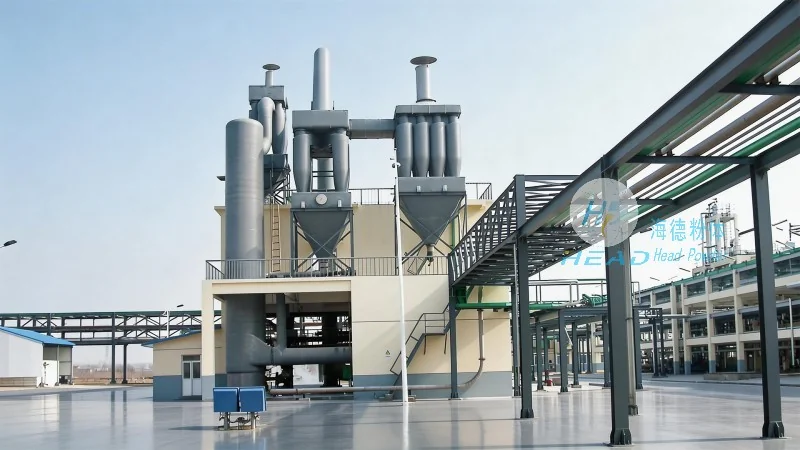
Technical Principles of Pneumatic Conveying Systems
The core principle of pneumatic conveying is the movement of solid particles suspended in a gas stream. In the case of acrylic ester rubber equipment, the system operates by creating a pressure differential that propels the material through the pipeline. There are two main types of pneumatic conveying systems: positive pressure (pressure) and negative pressure (suction). Positive pressure systems use a blower to force air and material through the line, while negative pressure systems employ a vacuum to draw material into the system. The choice between these systems depends on factors such as material characteristics, distance, and system layout. Acrylic ester rubber components are integral to the design, as they provide flexibility, resistance to wear, and compatibility with various media, ensuring the system operates smoothly and efficiently.
Working Scenarios and Application Characteristics
Acrylic ester rubber pneumatic conveying equipment is widely applied in industries where bulk materials need to be transported safely and reliably. Common applications include the chemical industry for transporting corrosive powders, the food and pharmaceutical sectors for handling hygienic materials, and the mining and construction industries for moving abrasive particles. The equipment is particularly suited for scenarios where traditional mechanical conveyors may be impractical due to the nature of the material or the environment. For instance, in chemical plants, the resistance of acrylic ester rubber to acids and solvents prevents contamination and equipment degradation, while in food processing facilities, its non-toxic properties ensure compliance with sanitary standards. The adaptability of the system allows it to handle varying material types, from fine powders that require gentle handling to coarse granules that demand higher air velocities for effective transport.
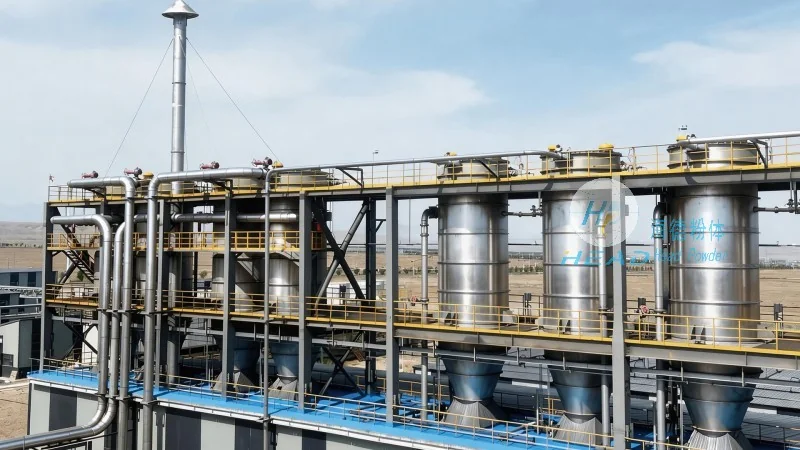
Key Features and Advantages
The use of acrylic ester rubber in pneumatic conveying equipment offers several key advantages that enhance performance and longevity. First, the material’s chemical resistance makes it suitable for handling aggressive substances, reducing the risk of equipment failure or material contamination. Second, its abrasion resistance ensures that components like hoses and ducts maintain their integrity over extended periods, even when exposed to abrasive particles. Third, the flexibility of acrylic ester rubber allows for the construction of flexible conveying lines, which can navigate complex layouts and reduce the need for rigid piping. Additionally, the equipment’s ability to operate in both positive and negative pressure modes provides versatility, enabling it to be adapted to different process requirements. Overall, acrylic ester rubber pneumatic conveying equipment provides a reliable, efficient, and cost-effective solution for material transport, supporting industrial operations with minimal downtime and maintenance.
Conclusion
In summary, acrylic ester rubber pneumatic conveying equipment is a vital technology for modern industrial material handling. By combining the principles of pneumatic transport with the superior properties of acrylic ester rubber, these systems offer efficient, safe, and durable solutions for a wide range of applications. HeadPowder, as a leading manufacturer based in Shandong, China, continues to innovate and provide high-quality equipment that meets the evolving needs of industries worldwide. The integration of advanced materials and engineering expertise ensures that pneumatic conveying systems remain a preferred choice for transporting bulk materials, contributing to improved productivity and operational efficiency in various sectors.