

Principle and Working Scene Characteristics of Quantitative Feeding Pneumatic Conveying Lines
Quantitative feeding pneumatic conveying lines are advanced industrial systems designed to efficiently transport bulk materials through an enclosed pipeline using compressed air. These systems are widely used in various industries, including food processing, pharmaceuticals, and chemical manufacturing, where precise material handling and contamination control are critical. The core of such systems lies in their ability to deliver materials in controlled, consistent quantities, ensuring optimal operational efficiency and product quality.
Company Profile and Background
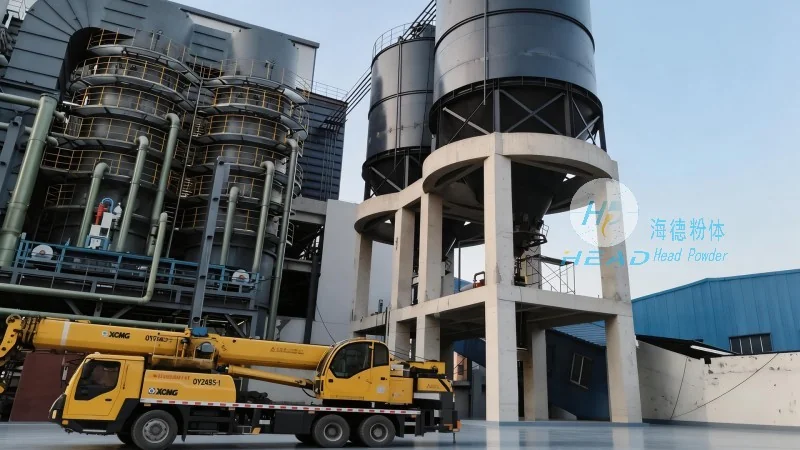
HeadPowder, a leading manufacturer in the field of material handling solutions, specializes in the design, development, and installation of high-quality pneumatic conveying systems. With headquarters in Shandong, China, HeadPowder Engineering Co., Ltd. has built a strong reputation for delivering reliable and efficient equipment tailored to meet the unique needs of different industries. The company’s expertise lies in integrating advanced technology with practical engineering solutions to provide customers with durable and cost-effective conveying systems.
The Principle of Quantitative Feeding Pneumatic Conveying
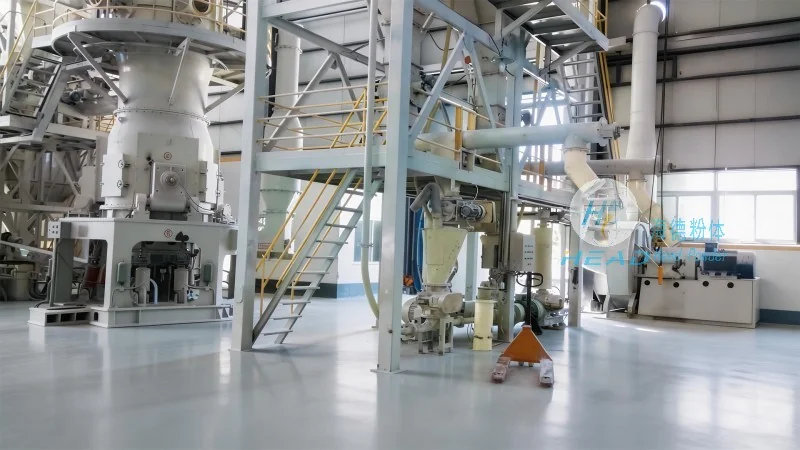
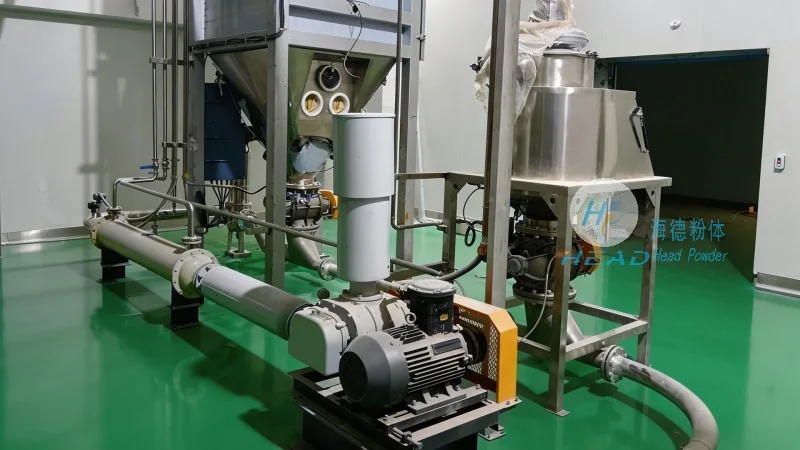
The operation of quantitative feeding pneumatic conveying lines is based on the fundamental principle of air flow and material suspension. In this system, bulk materials are fed into a hopper or feeder, where they are then introduced into a pipeline under the pressure of compressed air. The air flow creates a low-pressure zone that lifts and transports the material particles through the pipeline. The key to quantitative feeding lies in the precise control of the material feed rate, which is achieved through specialized feeding mechanisms such as rotary valves, screw feeders, or vibratory feeders. These mechanisms ensure that the material is discharged at a consistent rate, matching the air flow and maintaining a stable conveying process.
Working Scene Characteristics
The working scene characteristics of quantitative feeding pneumatic conveying lines vary significantly based on the specific application and industry requirements. In food processing facilities, for example, these systems are used to transport ingredients like flour, sugar, or spices with high precision, ensuring that the final product meets strict quality standards. The enclosed design of the pipeline prevents contamination from external sources, maintaining hygiene and safety. In pharmaceutical manufacturing, the systems are designed to handle sensitive materials, such as powders used in drug formulations, with minimal risk of cross-contamination. The quantitative feeding feature is particularly important here, as it allows for accurate dosing of ingredients, which is crucial for product consistency and regulatory compliance.
Advantages and Applications
Quantitative feeding pneumatic conveying lines offer several advantages over traditional conveying methods. One of the primary benefits is the ability to handle a wide range of materials, from fine powders to granules, with minimal maintenance. The enclosed system also reduces dust emissions and improves workplace safety. Additionally, the precise control of material flow enables better process control and reduces waste. These systems are widely applied in industries where material handling efficiency and product quality are paramount. For instance, in chemical plants, they are used to transport raw materials and intermediates, while in agricultural processing, they help in moving grain and other agricultural products. The versatility of quantitative feeding pneumatic conveying lines makes them an essential component in modern industrial operations.
Conclusion
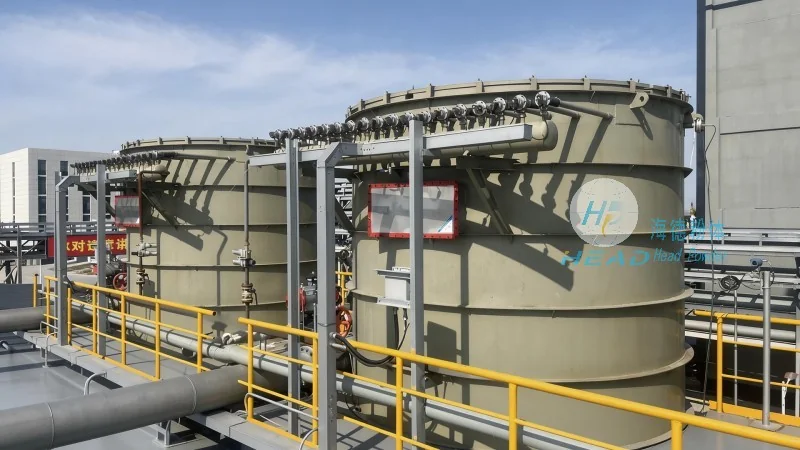
In conclusion, quantitative feeding pneumatic conveying lines are sophisticated systems that combine advanced technology with practical engineering to deliver bulk materials efficiently and accurately. The principle of air-assisted material transport, coupled with precise feeding mechanisms, ensures that these systems operate reliably in various industrial settings. With the expertise of companies like HeadPowder Engineering Co., Ltd., based in Shandong, China, these systems are continuously improved to meet the evolving needs of different industries. The working scene characteristics, such as hygiene, safety, and precision, make quantitative feeding pneumatic conveying lines indispensable in modern material handling processes.