

Principle and Working Scene Characteristics of Polyester Fiber Pneumatic Conveying Lines
Polymers, particularly polyester fibers, are widely used in various industrial applications due to their excellent mechanical properties, durability, and resistance to environmental factors. The efficient and safe transportation of these materials is crucial for maintaining production efficiency and product quality. Pneumatic conveying systems have emerged as a reliable solution for handling polyester fibers, offering advantages such as minimal product contamination, low maintenance requirements, and the ability to operate in diverse environments. This article, presented by Shandong HeadPowder Engineering Co., Ltd. (headpowder), explores the fundamental principles of polyester fiber pneumatic conveying lines and highlights the key characteristics of their working scenes, providing insights into how these systems enhance operational performance in industrial settings.
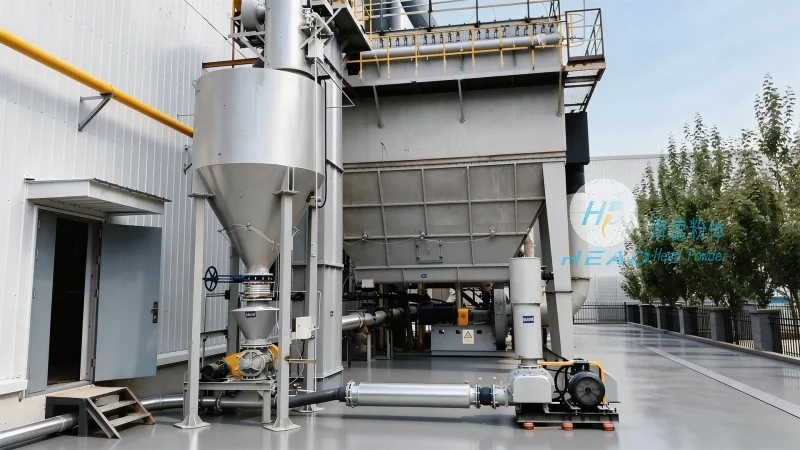
Overview of Polyester Fiber Pneumatic Conveying Systems
Pneumatic conveying, also known as air conveying, is a method of transporting bulk materials through a pipeline using compressed air or other gas. In the context of polyester fibers, these systems are specifically designed to handle fine, lightweight, and often abrasive materials. The core components of a typical polyester fiber pneumatic conveying line include a material feed hopper, a rotary valve or feeder, a conveying pipeline, a filter or separator, and a dust collection system. The system operates by introducing compressed air into the pipeline, which creates a flow that lifts and transports the polyester fibers from the feed point to the discharge point. This process is highly effective for materials that are difficult to handle using traditional mechanical conveyors, such as those with high moisture content or those that are prone to static buildup.
Working Principle of Polyester Fiber Pneumatic Conveying
The working principle of polyester fiber pneumatic conveying systems is based on the principle of fluidization and drag flow. In the fluidization stage, compressed air is introduced into the conveying pipeline at a rate that creates a turbulent flow, allowing the polyester fibers to become suspended in the air stream. This suspension reduces the friction between the fibers and the pipeline walls, minimizing wear and tear on both the material and the equipment. The drag flow stage involves the continuous movement of the air and fibers along the pipeline, ensuring that the material is transported efficiently to the desired location. The system typically operates at pressures ranging from low to moderate, depending on the material's characteristics and the distance to be covered. For polyester fibers, which are lightweight and have a low bulk density, lower air pressures are often sufficient to achieve effective conveying, reducing energy consumption and operational costs.
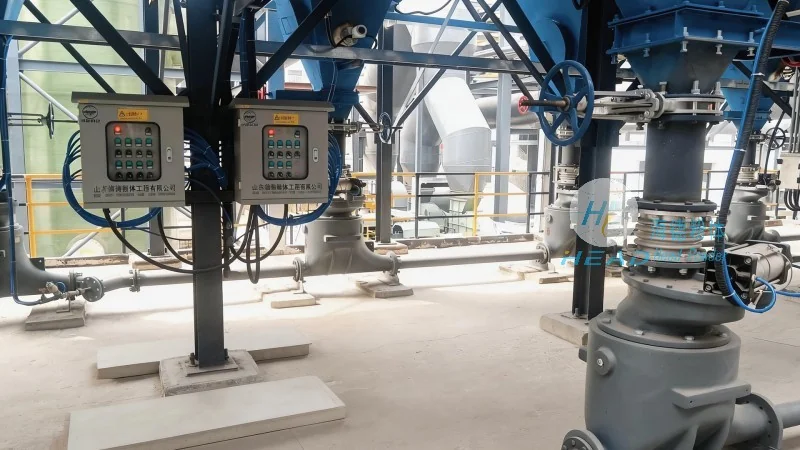
Key Working Scene Characteristics
The working scene characteristics of polyester fiber pneumatic conveying lines are tailored to meet the specific demands of industrial applications. These systems are commonly used in environments where product purity and contamination control are critical, such as in the textile industry, where polyester fibers are processed into yarns and fabrics. The enclosed design of the conveying line prevents dust and particles from escaping into the surrounding environment, maintaining a clean and safe workspace. Additionally, the systems are designed to handle varying material flow rates, allowing for flexible production schedules and the ability to integrate with existing manufacturing processes. The working scenes often include multiple conveying lines that connect different processing stages, such as from raw material storage to blending, extrusion, and finishing. This integration ensures a seamless flow of materials, reducing downtime and improving overall production efficiency.
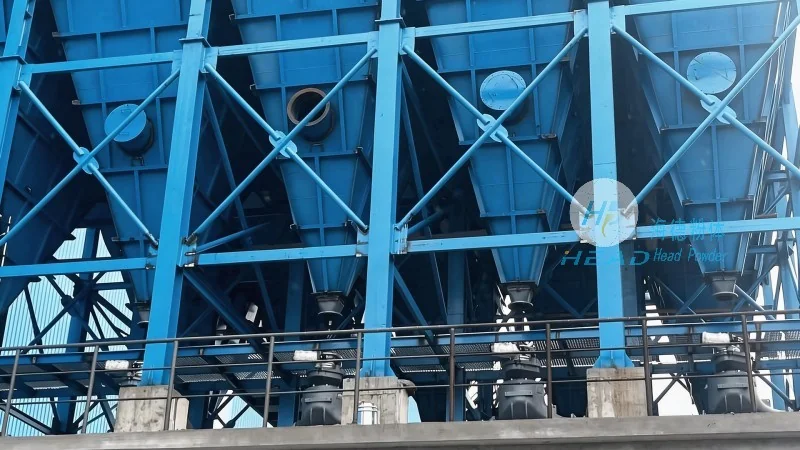
Advantages of Polyester Fiber Pneumatic Conveying in Industrial Settings
Implementing polyester fiber pneumatic conveying systems in industrial settings offers several advantages that contribute to enhanced operational performance. One of the primary benefits is the reduction in product contamination, as the enclosed system prevents external particles from entering the material stream. This is particularly important for polyester fibers used in high-quality applications, such as in the production of synthetic textiles and automotive components. Another advantage is the low maintenance requirements, as the system components are designed to withstand the abrasive nature of polyester fibers, minimizing the need for frequent repairs or replacements. The energy efficiency of pneumatic conveying systems is also a significant factor, as they consume less power compared to traditional mechanical conveyors, leading to lower operational costs over time. Furthermore, the systems are adaptable to different production scales, from small-scale operations to large industrial facilities, making them a versatile solution for various industries.
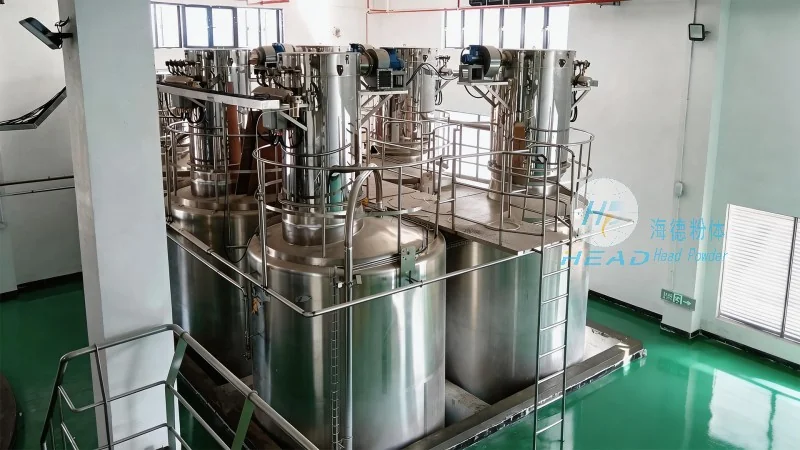
Application Examples in Industrial Production
Polyester fiber pneumatic conveying lines are widely applied in various industrial sectors, demonstrating their versatility and effectiveness. In the textile industry, these systems are used to transport polyester fibers from storage silos to blending machines, ensuring a consistent and uniform material feed. The conveying process helps maintain the fiber's quality by preventing breakage or degradation during handling. In the plastic manufacturing industry, polyester fibers are often used as reinforcement materials in composite products, and pneumatic conveying systems efficiently transport these fibers to extrusion lines, where they are mixed with other polymers to create high-performance materials. The automotive industry also benefits from these systems, as polyester fibers are used in the production of interior components and body panels, requiring precise and clean material handling to meet strict quality standards. These applications highlight the importance of reliable pneumatic conveying systems in maintaining product quality and operational efficiency across different industrial processes.
Conclusion and Future Considerations
Polyester fiber pneumatic conveying lines represent a sophisticated and efficient solution for handling fine, lightweight materials in industrial settings. By understanding the fundamental principles and working scene characteristics of these systems, industries can optimize their material transportation processes, reduce costs, and enhance product quality. As technology advances, there is potential for further improvements in the design and operation of pneumatic conveying systems, such as the integration of smart sensors for real-time monitoring and control. These advancements will likely lead to even more efficient and sustainable material handling solutions, further solidifying the role of pneumatic conveying in modern industrial operations. The continued development and application of polyester fiber pneumatic conveying systems will undoubtedly contribute to the growth and efficiency of industries that rely on these materials.