

Principle and Application Scenarios of Resin Pneumatic Conveying System Equipment
Resin pneumatic conveying systems represent a sophisticated technology used in material handling and processing industries. These systems are designed to transport resin materials efficiently and safely through a network of pipes using compressed air or other gas streams. Understanding the underlying principles and the diverse operational scenarios where these systems excel is crucial for industries that rely on consistent and reliable resin handling solutions.
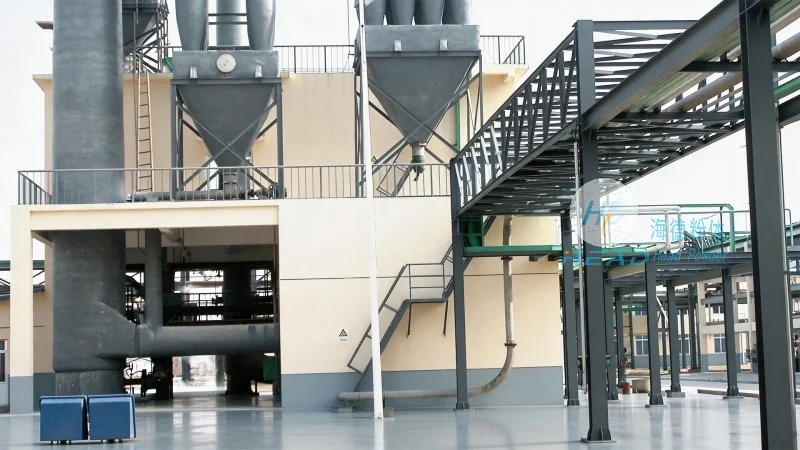
Core Principles of Resin Pneumatic Conveying Systems
The fundamental principle of resin pneumatic conveying involves the use of a pressure differential to move resin particles through a pipeline. In a typical system, a blower or compressor generates a high-pressure air stream that draws resin particles from a hopper or storage container into the conveying line. The resin is then suspended in the air stream and transported to the destination point, such as a processing unit or storage silo. This method eliminates the need for mechanical components like conveyors or elevators, reducing maintenance costs and enhancing operational flexibility.
Key components of a resin pneumatic conveying system include the air compressor, hopper with a feeder mechanism, conveying pipes, and a receiver or destination vessel. The feeder, often a rotary valve or a venturi system, controls the flow rate of resin into the system, ensuring a consistent and controlled conveying process. The air compressor provides the necessary pressure to maintain the flow, while the pipes are designed to minimize friction and pressure loss. The receiver is equipped with a dust collection system to capture any fine resin particles that may escape during the process, ensuring environmental compliance and product purity.
Common Application Scenarios for Resin Pneumatic Conveying Systems
Resin pneumatic conveying systems are widely used across various industries due to their adaptability and efficiency. In the plastics manufacturing sector, these systems are essential for transporting resin pellets or powders from storage to extrusion or molding machines. The ability to handle different resin types, including polyethylene, polypropylene, and polystyrene, makes them versatile for diverse production needs. Additionally, in the chemical and pharmaceutical industries, resin pneumatic conveying systems are employed to transport raw materials or intermediate products, ensuring a clean and controlled environment that meets stringent quality standards.
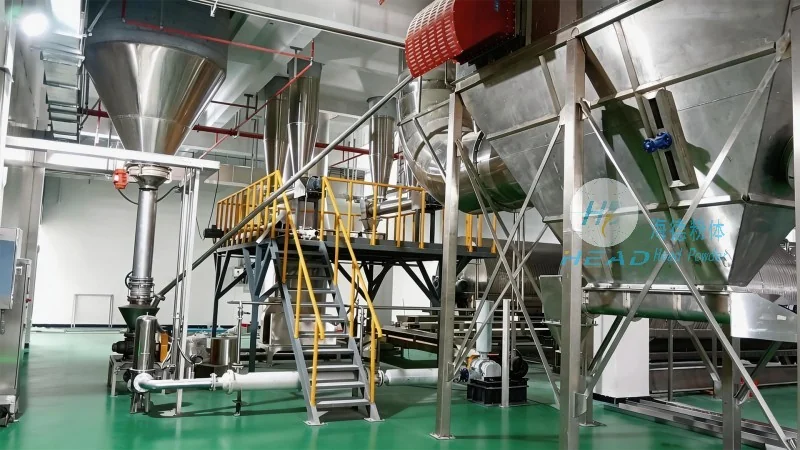
In the food and beverage industry, resin pneumatic conveying systems are utilized for transporting food-grade resins or additives, where hygiene and contamination prevention are paramount. The enclosed system design prevents exposure to external contaminants, maintaining product integrity throughout the conveying process. Furthermore, in the construction materials sector, these systems are used to transport resin-based binders or additives for concrete and mortar production, facilitating efficient material distribution at construction sites.
Advantages of Resin Pneumatic Conveying Systems
One of the primary advantages of resin pneumatic conveying systems is their ability to handle a wide range of resin materials, from fine powders to larger pellets, without the need for pre-processing or conditioning. This flexibility allows manufacturers to streamline their production processes and reduce downtime associated with material handling. Another key benefit is the reduced risk of product contamination and degradation, as the enclosed system minimizes exposure to air, moisture, and other external factors that could affect resin quality.
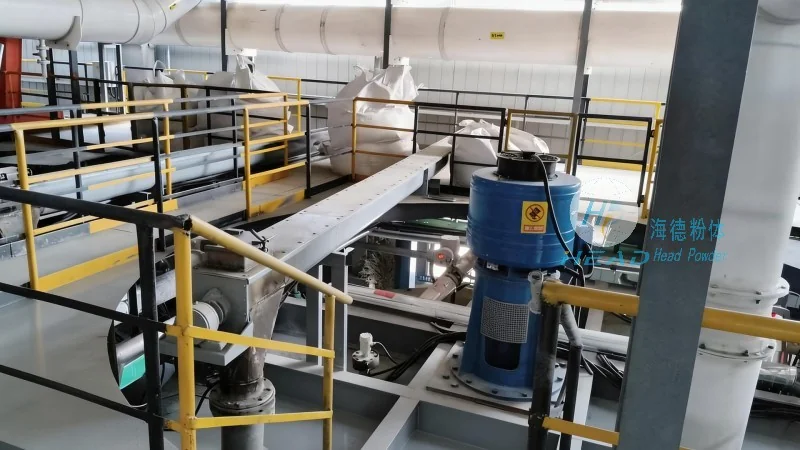
Operational efficiency is another significant advantage, as these systems can achieve high conveying rates with minimal energy consumption compared to traditional mechanical conveyors. The absence of moving parts in the conveying line reduces maintenance requirements and extends the lifespan of the equipment. Additionally, the system's ability to handle long-distance transport without intermediate storage points enhances overall production throughput and reduces the need for additional infrastructure.
About Shandong HeadPowder Engineering Co., Ltd.
Shandong HeadPowder Engineering Co., Ltd., commonly known as headpowder, is a leading manufacturer and supplier of resin pneumatic conveying systems and related industrial equipment. With a strong commitment to innovation and quality, the company has established itself as a trusted partner for industries requiring reliable material handling solutions. Headpowder's products are designed to meet the specific needs of various applications, ensuring optimal performance and durability in demanding environments.
Headpowder's manufacturing facility is located in Shandong, China, where state-of-the-art technology and rigorous quality control processes are employed to produce high-performance resin pneumatic conveying systems. The company's team of experienced engineers and technicians works closely with clients to understand their operational requirements and develop customized solutions that enhance productivity and reduce operational costs. With a focus on customer satisfaction and long-term partnerships, headpowder continues to be a key player in the global material handling industry.