

Principle and Working Scene Characteristics of Ceramic Pneumatic Conveying System Equipment
HeadPowder, a leading enterprise in the field of powder processing technology, specializes in the research, development, and manufacturing of advanced pneumatic conveying systems. With a strong focus on innovation and precision engineering, the company has established itself as a trusted partner for industries requiring efficient and reliable material handling solutions. This article delves into the core principles of ceramic pneumatic conveying systems, exploring their operational mechanisms and the diverse working environments where they excel.
Company Profile and Core Expertise
Shandong HeadPowder Engineering Co., Ltd., headquartered in Shandong, China, is dedicated to providing high-quality pneumatic conveying equipment tailored to the unique needs of various industrial sectors. The company leverages decades of experience in powder technology to design systems that optimize material transport while ensuring minimal product degradation. HeadPowder's commitment to quality and customer satisfaction is reflected in its comprehensive product line, which includes both standard and customized solutions for a wide range of applications.
The Fundamental Principle of Pneumatic Conveying
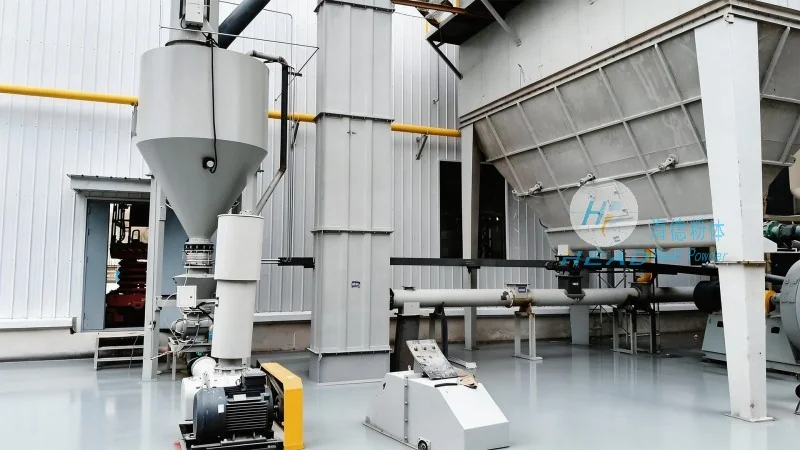
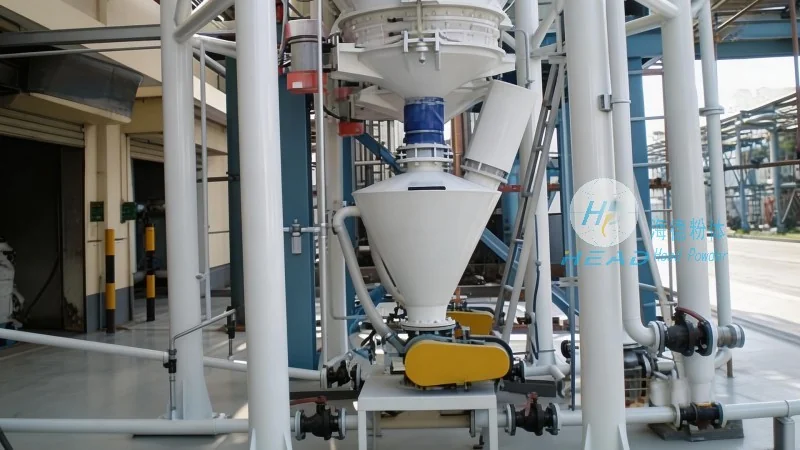
Ceramic pneumatic conveying systems operate on the principle of transporting bulk materials through a pipeline using compressed air or other gas. The process involves creating a pressure differential between the inlet and outlet of the system, which propels the material particles along the pipeline. Unlike traditional mechanical conveyors, pneumatic systems eliminate the need for moving parts in contact with the material, reducing wear and maintenance requirements. The system typically consists of a hopper for material storage, a blower or compressor to generate airflow, a pipeline network, and a receiver for the discharged material. The design of the system is critical to ensure efficient and consistent material flow, as it directly impacts the system's performance and reliability.
Key Working Scene Characteristics
The effectiveness of ceramic pneumatic conveying systems is heavily influenced by the working environment and the characteristics of the material being transported. Several key factors define their operational capabilities:
1. Material Compatibility and Handling
Ceramic materials, such as powders, granules, and fine particles, often require specialized handling due to their abrasive or delicate nature. Pneumatic systems are particularly well-suited for these materials because they minimize direct contact with metal surfaces, reducing the risk of contamination or particle degradation. The system's design, including the choice of pipeline material (e.g., stainless steel, PTFE-coated) and the use of air filtration systems, ensures that the material remains in its original state throughout the conveying process. This is especially important in industries like ceramics, pharmaceuticals, and food processing, where product purity is paramount.
2. System Efficiency and Energy Consumption
Efficiency is a critical characteristic of pneumatic conveying systems, as it directly impacts operational costs. The system's performance is measured by factors such as conveying capacity, pressure drop, and energy consumption. Advanced ceramic pneumatic systems are engineered to achieve high conveying rates while maintaining low energy usage. The use of optimized pipeline diameters, efficient blower designs, and proper system sizing minimizes energy waste and maximizes material throughput. This efficiency is further enhanced by the system's ability to handle varying material loads without significant performance degradation, making it suitable for both continuous and intermittent operations.
3. Scalability and Customization
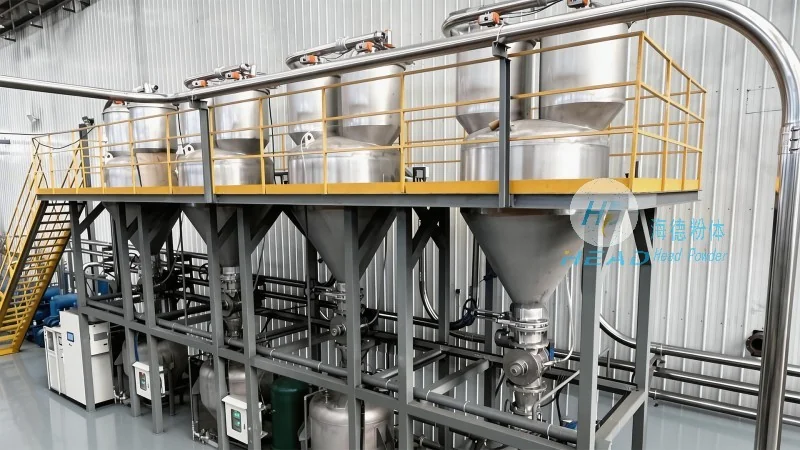
Another notable characteristic is the scalability of ceramic pneumatic conveying systems. HeadPowder offers solutions ranging from small-scale laboratory systems to large industrial installations, adapting to the specific requirements of each application. The systems can be customized in terms of pipeline length, diameter, and configuration to accommodate different production volumes and layouts. This flexibility allows industries to integrate the system seamlessly into their existing facilities, minimizing downtime and installation costs. The company's engineering team works closely with clients to design systems that meet their unique operational needs, ensuring optimal performance and long-term reliability.
Typical Working Scenarios and Applications
Ceramic pneumatic conveying systems are widely used in various industrial settings, where their ability to handle fine, abrasive materials efficiently is a key advantage. Some common working scenarios include:
1. Ceramic Manufacturing Plants
In ceramic factories, these systems are used to transport raw materials such as clay, feldspar, and silica from storage silos to processing equipment. The systems ensure a consistent and controlled flow of materials, which is crucial for maintaining the quality of the final products. The use of ceramic-lined components in the system prevents corrosion and wear, extending the lifespan of the equipment. Additionally, the systems can handle the high temperatures and abrasive nature of ceramic powders, making them ideal for this application.
2. Pharmaceutical and Food Processing Industries
The pharmaceutical and food sectors require strict adherence to hygiene and contamination control standards. Ceramic pneumatic conveying systems are employed to transport raw ingredients, such as powders and granules, from storage to production lines. The systems are designed with stainless steel or PTFE-coated components, ensuring that the materials remain free from contaminants. The gentle handling of the material by the pneumatic system minimizes particle breakage and degradation, preserving the quality and integrity of the product. This is particularly important in the food industry, where product purity is a top priority.
3. Chemical and Mineral Processing Facilities
Ceramic materials are also used in chemical and mineral processing applications, where the systems are used to transport powders and granules between processing stages. The systems are capable of handling a wide range of particle sizes and densities, making them versatile for different chemical processes. The low maintenance requirements of pneumatic systems reduce operational costs in these industries, which often operate on tight margins. The ability to integrate the system with other processing equipment, such as mixers and reactors, enhances overall plant efficiency.
Advantages and Benefits of Ceramic Pneumatic Conveying Systems
Implementing ceramic pneumatic conveying systems offers several advantages that make them a preferred choice for many industries. These benefits include:
1. Reduced Maintenance and Downtime
Unlike mechanical conveyors, which require regular maintenance and replacement of wear parts, pneumatic systems have fewer moving components. This results in lower maintenance costs and reduced downtime. The absence of direct material contact with metal parts also minimizes wear and tear, extending the system's lifespan. HeadPowder's systems are designed with durable materials and robust construction, ensuring long-term reliability and minimal maintenance requirements.
2. Improved Product Quality and Purity
The gentle handling of materials by pneumatic systems prevents degradation, breakage, or contamination. This is particularly important for sensitive materials like ceramics, pharmaceuticals, and food products. The system's design, including air filtration and cleaning mechanisms, ensures that the material remains in its original state throughout the conveying process. This results in higher product quality and consistency, which is critical for meeting industry standards and customer expectations.
3. Enhanced Safety and Environmental Compliance
Pneumatic conveying systems are inherently safer than mechanical systems, as they eliminate the risk of material spillage or exposure to workers. The enclosed pipeline system prevents dust emissions, reducing the risk of respiratory issues and environmental contamination. Additionally, the systems can be equipped with safety features such as pressure relief valves and emergency shut-off mechanisms, ensuring compliance with safety regulations. This makes them suitable for industries where worker safety and environmental protection are top priorities.
Conclusion
Ceramic pneumatic conveying systems, as developed and manufactured by Shandong HeadPowder Engineering Co., Ltd., represent a sophisticated solution for efficient material handling in various industrial applications. By leveraging the principles of pneumatic transport and advanced engineering, these systems offer superior performance, reliability, and adaptability. The working scene characteristics, including material compatibility, system efficiency, and scalability, make them an ideal choice for industries dealing with fine, abrasive, or sensitive materials. With a strong commitment to quality and customer satisfaction, HeadPowder continues to innovate and provide tailored solutions that meet the evolving needs of the market. Whether for ceramic manufacturing, pharmaceutical processing, or chemical applications, these systems provide a reliable and efficient means of transporting materials, ensuring optimal operational performance and long-term success.