

Principle and Working Scene Characteristics of Paddy Husk Ash Pneumatic Conveying System Equipment
HeadPowder, a leading engineering company based in Shandong, China, specializes in the design and manufacturing of advanced pneumatic conveying systems tailored for handling paddy husk ash. This article delves into the fundamental principles of such systems and highlights key working scene characteristics that make them efficient and reliable in industrial applications.
Understanding the Core Principle of Paddy Husk Ash Pneumatic Conveying Systems
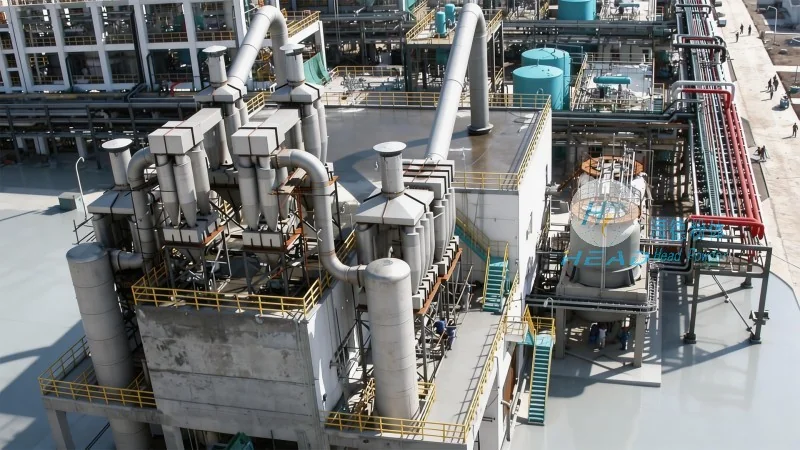
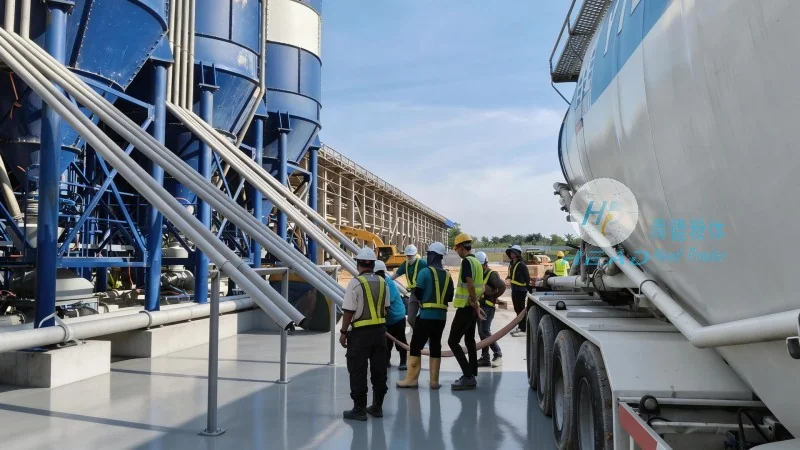
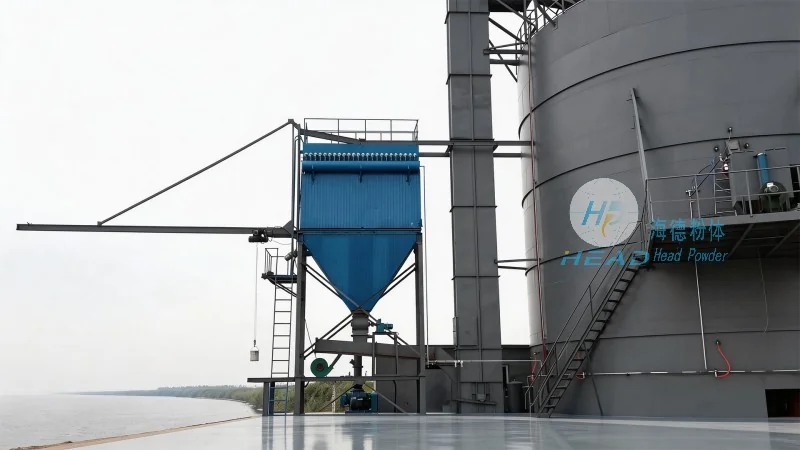
The pneumatic conveying system for paddy husk ash operates on the principle of transporting bulk materials through a pipeline using a gas stream, typically air or a mixture of air and other gases. In this system, the paddy husk ash is fed into a hopper or feeder, where it is then drawn into a pipeline by the moving air stream. The air flow creates a negative pressure (suction) or positive pressure (blowing) within the pipeline, depending on the system design, to move the material from the source to the destination. The system comprises several critical components, including a feeding device, a conveying pipeline, a separation and cleaning system, and a discharge device. Each component works in synergy to ensure efficient material transport while maintaining system integrity and material quality. The feeding device, often a rotary valve or screw feeder, controls the flow rate of the paddy husk ash into the system, preventing overloading and ensuring a steady supply. The conveying pipeline, made from materials resistant to corrosion and abrasion (such as stainless steel or special plastics), is designed to withstand the abrasive nature of the ash particles. The separation and cleaning system, which includes cyclone separators and filters, removes any fine particles or moisture from the air stream, preventing contamination and ensuring the system operates efficiently. The discharge device, typically a rotary valve or a venturi, regulates the release of the material at the destination, maintaining consistent flow and preventing backflow.
Key Working Scene Characteristics of Paddy Husk Ash Pneumatic Conveying Systems
When deployed in industrial settings, paddy husk ash pneumatic conveying systems exhibit several distinct characteristics that enhance their performance and adaptability. Firstly, the system's ability to handle fine or powdery materials like paddy husk ash is crucial, as these materials are prone to caking or agglomeration if not managed properly. The design incorporates features such as air classification and cyclone separators to prevent blockages and ensure smooth flow. Secondly, the system's flexibility in terms of layout and integration with existing facilities is a significant advantage. It can be configured for both horizontal and vertical conveying, allowing for complex material transport routes that adapt to the spatial constraints of the plant. This flexibility reduces the need for extensive civil construction and reconfiguration of existing infrastructure. Thirdly, the system's energy efficiency is a key consideration. Modern designs utilize optimized air flow rates and pressure control to minimize energy consumption while maintaining high conveying capacity. For example, variable frequency drives (VFDs) can adjust the air compressor speed based on the material flow demand, further reducing energy waste. This not only reduces operational costs but also aligns with sustainability goals in industrial operations. Additionally, the system's maintenance requirements are relatively low compared to traditional mechanical conveying methods, as it involves fewer moving parts and reduces wear from friction. Regular maintenance, such as cleaning filters and checking pipeline integrity, is sufficient to keep the system running smoothly. This contributes to lower long-term operational expenses and higher system reliability, minimizing downtime and ensuring consistent production.