

Principle and Working Scene Characteristics of Perlite Pneumatic Conveying System Equipment
Shandong HeadPowder Engineering Co., Ltd., a leading manufacturer based in China, specializes in the design and production of advanced pneumatic conveying systems tailored for perlite handling. The company's expertise lies in creating efficient solutions that address the unique challenges of transporting perlite, a lightweight, porous volcanic rock used in various industrial applications. This article explores the fundamental principles behind perlite pneumatic conveying systems and highlights the key working scene characteristics that make these systems indispensable in modern industrial operations.
The Core Principle of Pneumatic Conveying
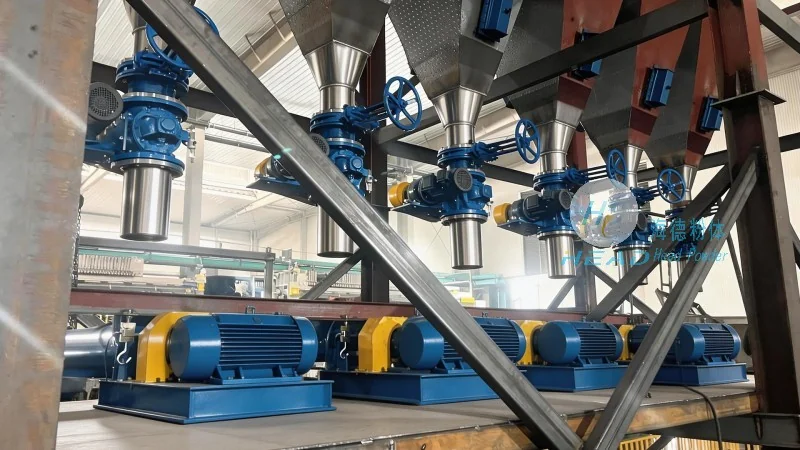
The perlite pneumatic conveying system operates on the principle of transporting bulk materials through a pipeline using a stream of air or other gas. Unlike traditional mechanical conveying methods, which rely on belts, buckets, or screws, pneumatic systems utilize pressure differentials to move materials. In a typical setup, a blower or compressor generates the necessary airflow, which is then directed through a pipeline. The perlite particles are introduced into the system, either by gravity or a hopper, and are entrained by the moving air. The air velocity is carefully controlled to ensure that the particles remain suspended and travel through the pipeline without settling or causing blockages. This method offers a flexible and efficient way to transport perlite over long distances and in various environments.
Key Working Scene Characteristics
The working scene characteristics of perlite pneumatic conveying systems are tailored to meet the specific demands of industrial applications. These characteristics include:
1. Material Handling Efficiency: The system is designed to handle perlite with high efficiency, minimizing material loss and ensuring consistent flow rates. The air velocity and pipeline design are optimized to prevent particle degradation or agglomeration, which is crucial for maintaining the quality of the perlite.
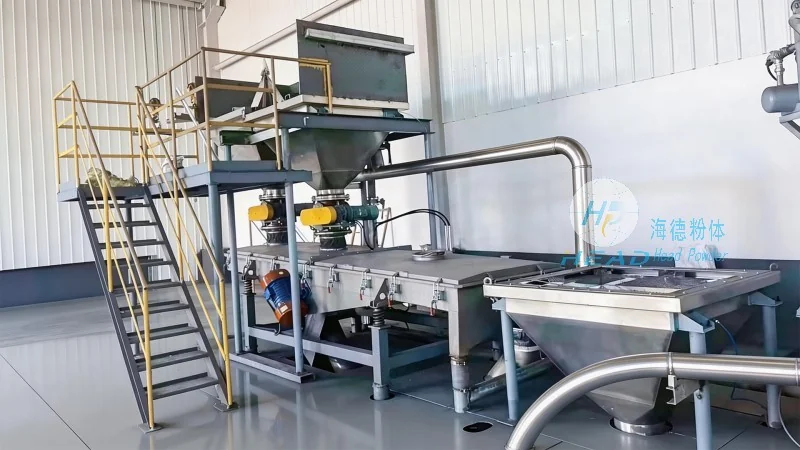
2. Space Flexibility: Pneumatic conveying systems are highly adaptable to different spatial configurations. They can be installed in vertical, horizontal, or inclined orientations, allowing for the integration into existing industrial layouts without major structural modifications. This flexibility makes them suitable for both new installations and retrofitting into existing facilities.
3. Environmental Control: The enclosed pipeline system helps in controlling dust and particulate emissions, which is essential for maintaining a clean and safe working environment. The system can be equipped with filtration and dust collection units to comply with environmental regulations and improve workplace safety.
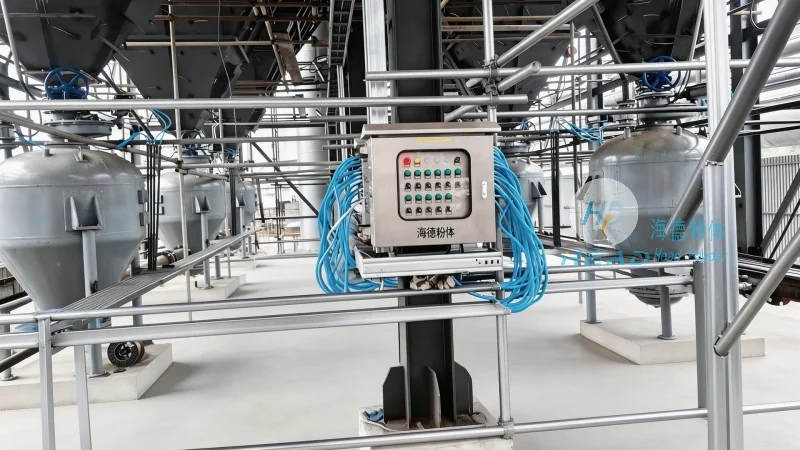
4. Operational Reliability: Advanced control systems and robust components ensure the consistent and reliable operation of the pneumatic conveying system. The use of high-quality materials and components reduces the risk of downtime and maintenance issues, providing a stable and efficient material transport solution.
Applications and Industry Impact
Perlite pneumatic conveying systems are widely used in industries that require the handling of lightweight, non-abrasive materials. Some common applications include:
1. Construction Materials: Perlite is used as a lightweight aggregate in concrete and plaster, and the conveying system ensures a consistent supply of material to production lines.
2. Insulation Industry: In the production of insulation boards and panels, the system efficiently transports perlite to mixing and molding equipment, enhancing production throughput.
3. Chemical Processing: The system is used to transport perlite in chemical processing plants, where it serves as a filler or adsorbent material.
4. Food and Pharmaceutical: In some applications, perlite is used as a filtration medium or carrier, and the pneumatic conveying system ensures hygienic and efficient material transfer.
Advantages Over Traditional Conveying Methods
Compared to traditional mechanical conveying methods, perlite pneumatic conveying systems offer several advantages:
1. Reduced Maintenance: The absence of moving parts in the pipeline reduces the need for frequent maintenance, leading to lower operational costs and increased system reliability.
2. Lower Energy Consumption: While the initial energy input is higher due to the air compression, the overall energy consumption per unit of material transported is often lower than mechanical systems, especially over long distances.
3. Improved Material Quality: The enclosed system prevents contamination and degradation of the perlite, ensuring that the material reaches the processing stage in optimal condition.
4. Space Efficiency: The compact design of the system allows for better utilization of available space in industrial facilities, making it suitable for both large and small-scale operations.
Conclusion
Shandong HeadPowder Engineering Co., Ltd. provides advanced perlite pneumatic conveying systems that leverage the core principles of pneumatic transport to deliver efficient, reliable, and flexible material handling solutions. The working scene characteristics of these systems, including material efficiency, space flexibility, environmental control, and operational reliability, make them a preferred choice for industries dealing with perlite. By understanding the principles and applications of these systems, businesses can optimize their material transport processes, enhance productivity, and ensure compliance with industry standards and regulations.