

Principle and Working Scene Characteristics of Clay Sand Pneumatic Conveying System Equipment
HeadPowder, a leading engineering company based in Shandong, China, specializes in the design, manufacturing, and implementation of advanced pneumatic conveying systems for various industrial applications. This article delves into the fundamental principles behind clay sand pneumatic conveying systems, as well as the key characteristics of their operational environments.
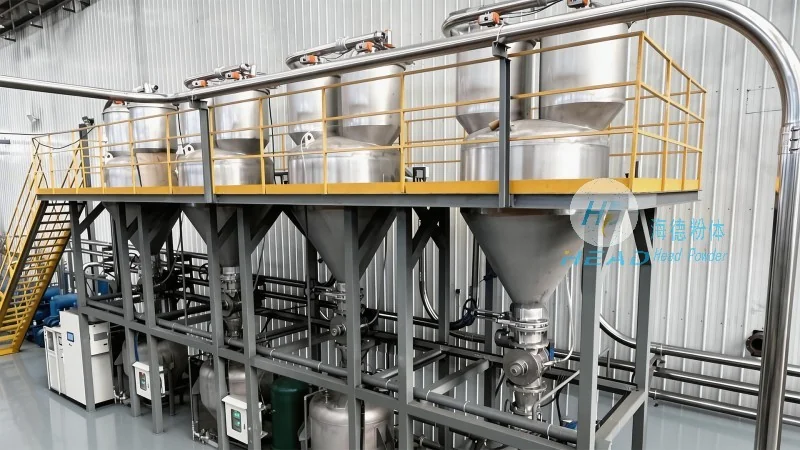
Company Overview
HeadPowder Engineering Co., Ltd. is a professional enterprise dedicated to providing high-quality pneumatic conveying solutions. With a strong presence in Shandong, China, the company leverages years of industry experience to deliver reliable and efficient systems tailored to customer needs. The company's commitment to innovation and precision engineering ensures that their products meet the rigorous demands of modern industrial processes.
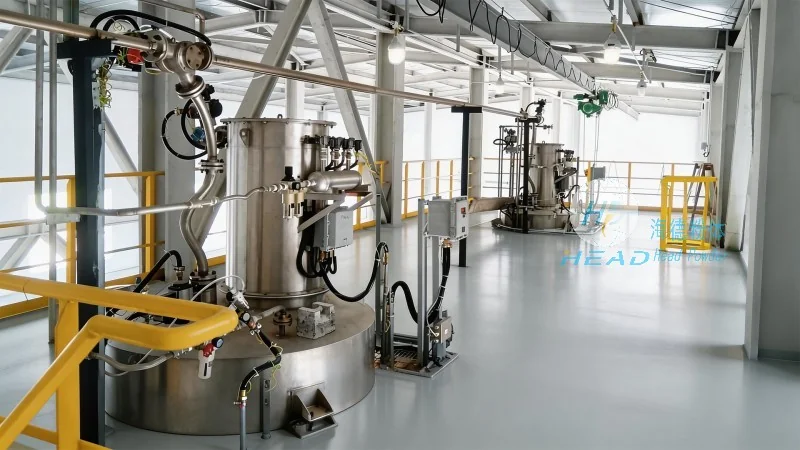
The Principle of Clay Sand Pneumatic Conveying Systems
The core principle of a clay sand pneumatic conveying system involves the use of air pressure to transport dry bulk materials, such as clay sand, through a pipeline network. This method eliminates the need for mechanical components like belts or buckets, reducing maintenance requirements and enhancing operational efficiency. The system typically operates by creating a vacuum or pressure differential within the pipeline, which draws the material and air mixture through the system. Key components include a hopper for material storage, a feeder to control the flow rate, a conveying line, and a receiver for material discharge. The air flow is managed by a blower or compressor, which provides the necessary force to move the material. The design of the system is optimized to handle the specific properties of clay sand, such as its particle size, moisture content, and flowability, ensuring consistent and reliable transport.
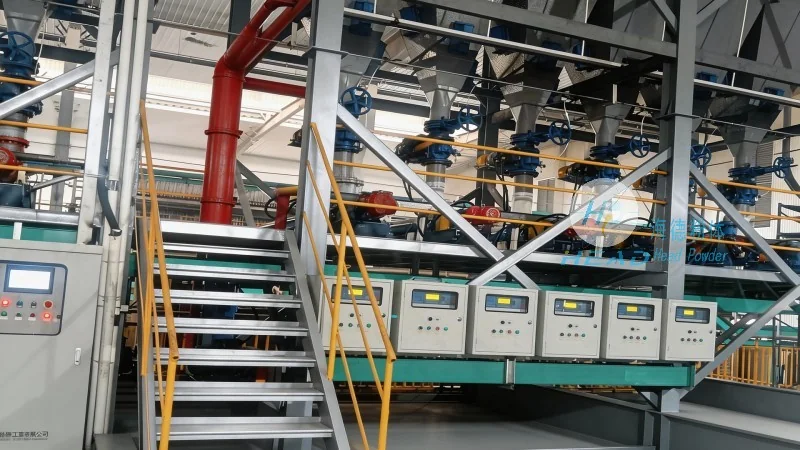
Working Scene Characteristics
The operational environment of clay sand pneumatic conveying systems is characterized by several distinct features that impact system performance and efficiency. One primary characteristic is the need for a controlled air flow to maintain material transport without clogging or degradation. The system must be designed to handle variations in material properties, such as changes in moisture levels or particle size distribution, which can affect the conveying velocity and pressure requirements. Additionally, the working scene often involves integration with other industrial processes, such as mixing, drying, or processing, requiring the conveying system to interface seamlessly with these operations. The system's layout and configuration are critical to minimizing energy consumption and maximizing material throughput. Factors like pipeline length, elevation changes, and the number of transfer points also influence the overall performance of the system. Proper maintenance and monitoring of the air flow and material feed are essential to prevent system downtime and ensure long-term reliability.
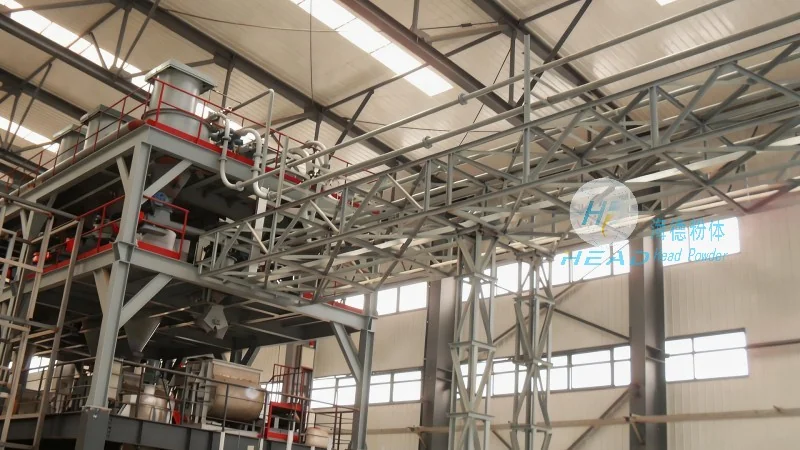
Application and Operational Advantages
Clay sand pneumatic conveying systems are widely used in various industrial sectors, including construction, ceramics, and mining. The system's ability to transport materials over long distances without the need for intermediate storage or handling points makes it an ideal solution for large-scale operations. The enclosed pipeline design also helps to prevent dust emissions, improving workplace safety and environmental compliance. Compared to traditional mechanical conveying methods, pneumatic systems offer lower maintenance costs and higher flexibility in terms of system configuration. The system's efficiency in handling fine and abrasive materials like clay sand reduces wear on components, extending the lifespan of the equipment. Furthermore, the ability to control the material flow rate and pressure allows for precise dosing and integration with automated production lines, enhancing overall process control. The working scene characteristics, such as the need for consistent material supply and reliable transport, are addressed by the system's robust design and advanced control mechanisms, ensuring stable and continuous operation.