

Principle and Working Scene Characteristics of Lithium Oxalate Pneumatic Conveying System Equipment
HeadPowder, a leading enterprise in the field of material handling and processing, specializes in the design, manufacturing, and supply of advanced pneumatic conveying systems. This article delves into the fundamental principles and operational characteristics of lithium oxalate pneumatic conveying equipment, highlighting its technical advantages and typical application scenarios. By understanding these aspects, users can better assess the suitability of such systems for their industrial needs.
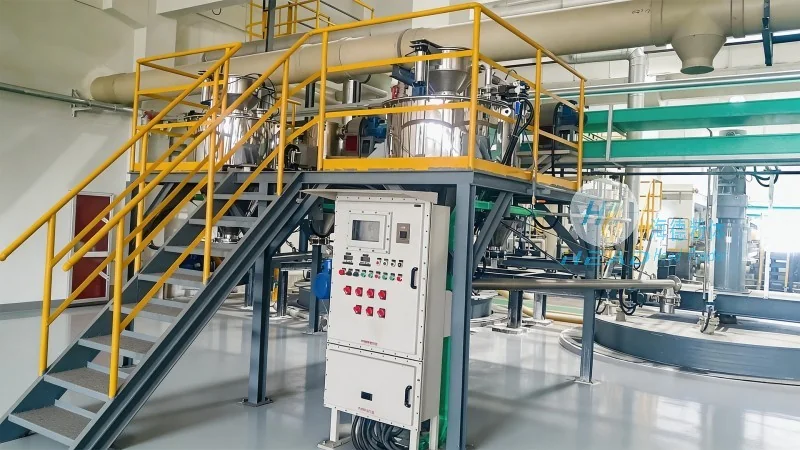
Company Overview: HeadPowder Engineering
HeadPowder, formally known as Shandong HeadPowder Engineering Co., Ltd., is headquartered in Shandong, China. The company has established itself as a reputable manufacturer in the material handling industry, focusing on the development of efficient and reliable pneumatic conveying solutions. With a strong commitment to innovation and quality, HeadPowder provides customized equipment tailored to meet diverse industrial requirements, ensuring optimal performance and durability in various operational environments.
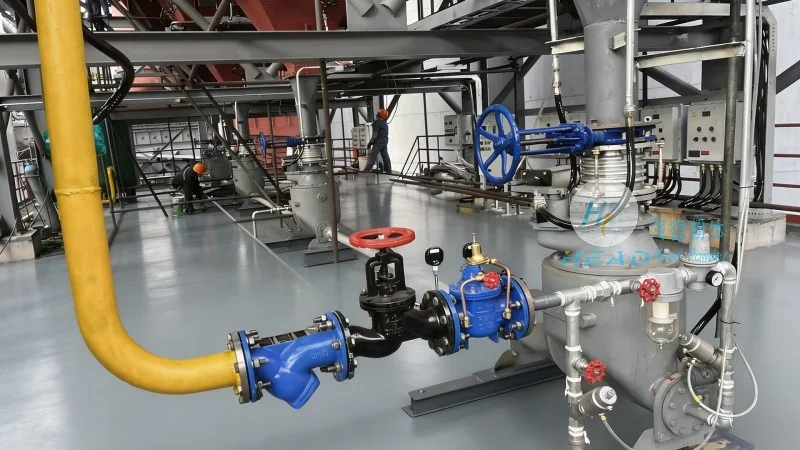
The Principle of Lithium Oxalate Pneumatic Conveying Systems
Lithium oxalate pneumatic conveying systems operate on the principle of transporting bulk materials through a pipeline using a stream of air or other gas. The system typically consists of a hopper, a rotary valve, a conveying line, and a receiver. The material is fed into the hopper, where it is then discharged into the conveying line via the rotary valve. The air or gas is introduced into the line, creating a flow that carries the material particles forward. This process relies on the balance between the air velocity and the material's particle size and density to ensure efficient and stable transport. The design of the system, including the air pressure and flow rate, is critical in achieving optimal conveying performance and minimizing material degradation or loss.
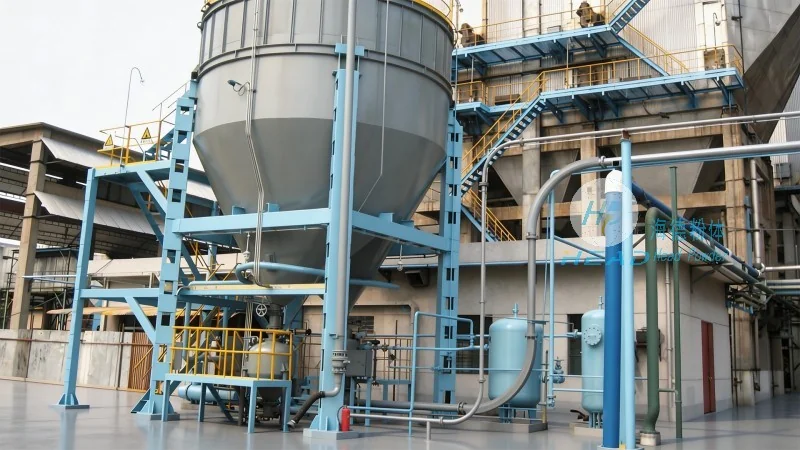
Key Working Scene Characteristics
The working scene characteristics of lithium oxalate pneumatic conveying systems are tailored to meet the demands of specific industrial applications. These systems are particularly suitable for environments where bulk materials need to be transported over medium to long distances with minimal disruption to the production process. The key characteristics include:
- High Efficiency and Reliability: The systems are designed to operate continuously with high throughput, ensuring consistent material flow and reducing downtime. This is achieved through robust components and precise control mechanisms that maintain stable air pressure and flow rates.
- Low Maintenance Requirements: Compared to traditional mechanical conveying methods, pneumatic systems require less maintenance due to the absence of moving parts in the conveying line. This results in lower operational costs and increased system longevity.
- Versatility in Material Handling: Lithium oxalate, being a fine powder, presents unique handling challenges. The pneumatic system is engineered to handle such materials without clogging or degradation, utilizing appropriate air velocities and pipeline designs to prevent particle agglomeration.
- Space Efficiency: Pneumatic conveying systems can be installed in compact spaces, making them ideal for facilities with limited floor area. The vertical or horizontal pipeline configurations allow for flexible layout designs that adapt to the existing infrastructure.
Typical Application Scenarios
Lithium oxalate pneumatic conveying systems are widely used in various industrial sectors where the efficient transport of fine powders is essential. Some common application scenarios include:
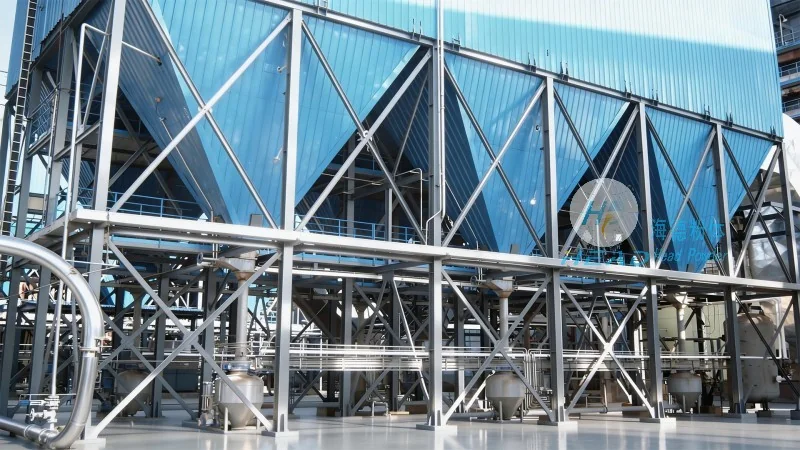
- Pharmaceutical and Chemical Industries: In the production of lithium-based pharmaceuticals or chemical compounds, the need for sterile and contamination-free material handling is paramount. Pneumatic systems provide a closed-loop transport solution that prevents cross-contamination and maintains product purity.
- Electronics Manufacturing: The electronics industry relies on high-purity materials for manufacturing components. The systems are used to transport lithium oxalate to production lines, ensuring that the material remains free from impurities and meets stringent quality standards.
- Energy and Battery Manufacturing: As a key component in lithium-ion batteries, lithium oxalate must be handled with precision to maintain its chemical properties. The pneumatic conveying systems are integrated into battery production lines to facilitate the efficient transfer of raw materials to processing units.
- Food and Beverage Processing: In food processing facilities, the systems are used to transport lithium oxalate in a hygienic manner, adhering to strict food safety regulations. The closed system design prevents material exposure to contaminants and ensures compliance with industry standards.
Conclusion
HeadPowder's lithium oxalate pneumatic conveying systems exemplify advanced material handling technology, combining efficiency, reliability, and versatility. By understanding the underlying principles and application characteristics, industries can leverage these systems to enhance their production processes, reduce operational costs, and improve overall productivity. With a strong presence in Shandong, China, HeadPowder continues to innovate and provide tailored solutions that meet the evolving needs of modern industrial applications.