

Principle and Working Scene Characteristics of Powder Material Transport Systems in Dust Collection
In industrial settings, dust collection stations play a crucial role in maintaining air quality and ensuring safe working environments. A key component of these systems is the powder material transport system, which efficiently moves bulk materials from collection points to processing or storage areas. Understanding the principle and working scene characteristics of such systems is essential for optimizing operational efficiency and compliance with environmental regulations.
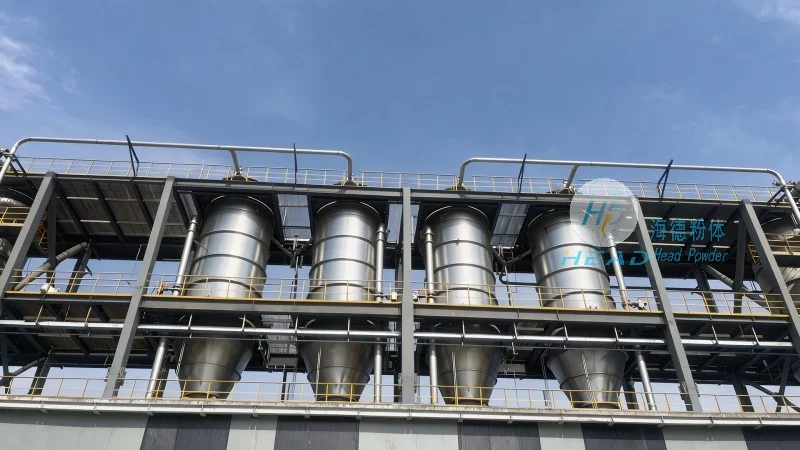
Principle of Powder Material Transport Systems
The core principle of powder material transport systems in dust collection stations revolves around the use of mechanical or pneumatic methods to convey particulate materials. These systems typically consist of components like hoppers, feeders, conveying pipes, and control valves. The operation often involves creating a pressure differential or using air flow to move the powder, ensuring minimal material loss and consistent flow rates. For instance, pneumatic conveying systems utilize compressed air to transport powders through pipelines, while mechanical systems may employ screw conveyors or belt conveyors for horizontal or vertical transport. The choice of system depends on factors such as material properties, distance, and required flow rate.
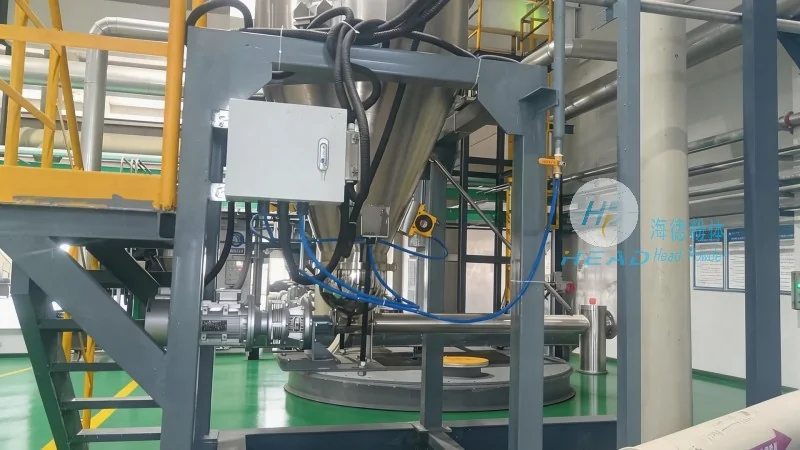
Working Scene Characteristics of Powder Material Transport Systems
The working scene characteristics of these systems vary based on the specific industrial application and environmental conditions. In high-volume manufacturing facilities, the system must handle large quantities of powders with consistent performance, often operating continuously for extended periods. In contrast, in smaller-scale operations, the system may need to accommodate intermittent material flows and varying particle sizes. Environmental factors, such as temperature and humidity, also influence the system's design and operation. For example, in environments with high temperatures, materials may require cooling before transport to prevent degradation. Additionally, the system must be designed to minimize dust emissions during operation, aligning with regulatory standards for air quality. The working scene characteristics also include the need for easy maintenance and quick repair, as downtime can significantly impact production schedules.
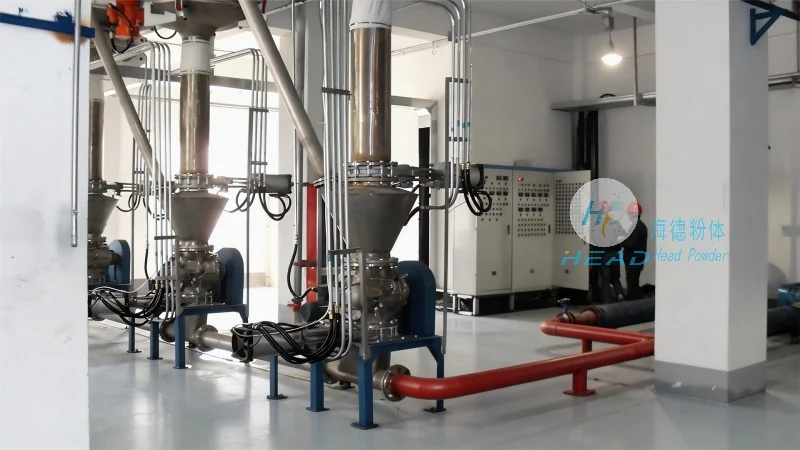
Key Features and Advantages of the Systems
Modern powder material transport systems in dust collection stations offer several advantages that enhance operational efficiency and reliability. One key feature is the ability to handle a wide range of materials, from fine powders to bulk solids, without clogging or degradation. This versatility makes the systems suitable for diverse industrial applications, including pharmaceuticals, food processing, and chemical manufacturing. Another advantage is the integration of advanced control systems, which allow for real-time monitoring and adjustment of flow rates, pressure, and other parameters. This automation reduces the risk of human error and ensures consistent performance. Furthermore, the systems are designed with safety in mind, incorporating features like pressure relief valves and emergency shut-off mechanisms to prevent accidents and protect personnel. The durability of the components, such as corrosion-resistant materials and robust conveying mechanisms, also contributes to long-term operational reliability.
Application Examples and Industry Impact
The application of powder material transport systems in dust collection stations has a significant impact on various industries. In the pharmaceutical industry, for example, these systems are used to transport active pharmaceutical ingredients (APIs) and excipients with high precision, ensuring product quality and compliance with stringent regulations. In the food industry, the systems handle ingredients like flour, sugar, and spices, maintaining hygiene standards and preventing contamination. The chemical industry utilizes these systems for transporting raw materials and intermediates, supporting large-scale production processes. The impact of these systems extends beyond individual facilities, contributing to overall industrial productivity and environmental sustainability. By efficiently managing material transport, these systems help reduce waste, lower energy consumption, and minimize the environmental footprint of industrial operations.
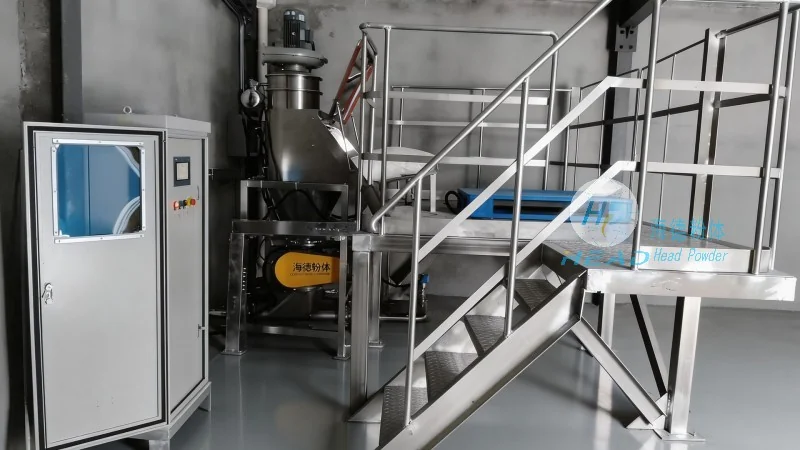
About Shandong HeadPowder Engineering Co., Ltd.
Shandong HeadPowder Engineering Co., Ltd., operating under the brand name headpowder, is a leading provider of advanced powder material transport solutions for dust collection stations. With a focus on innovation and customer satisfaction, the company specializes in designing and manufacturing systems tailored to the unique needs of industrial clients. Headpowder's expertise lies in integrating cutting-edge technology with practical applications, ensuring that their systems meet the highest standards of performance, reliability, and safety. The company's headquarters is located in Shandong, China, where it leverages local resources and expertise to deliver high-quality products and services to a global market. By combining technical knowledge with practical experience, headpowder continues to be a trusted partner for industries seeking efficient and effective powder transport solutions.