

Principles and Working Scene Characteristics of Wheat Flour Bulk Handling Systems
Wheat flour bulk handling systems are critical components in the grain processing and food manufacturing industries, designed to efficiently transport and manage large volumes of wheat flour from storage to processing units. These systems integrate advanced engineering principles and specialized equipment to ensure reliable, hygienic, and cost-effective operation. Understanding the core principles and typical working scenarios of such systems is essential for optimizing production workflows and maintaining product quality.
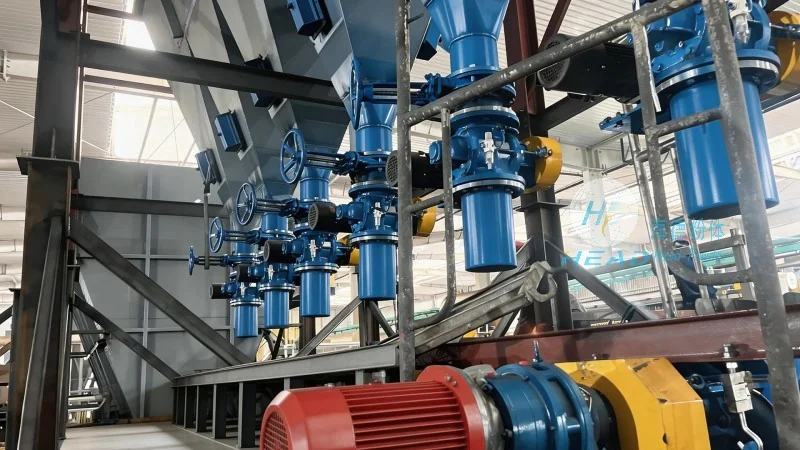
Core Principles of Wheat Flour Bulk Handling Systems
The fundamental principle behind wheat flour bulk handling systems is the efficient transfer of bulk materials, typically through pneumatic or mechanical means. Pneumatic systems utilize air pressure to move flour in a pipeline, while mechanical systems rely on conveyor belts, screw conveyors, or bucket elevators. Both approaches prioritize minimizing material degradation, maintaining consistent flow rates, and ensuring compliance with food safety standards. The design of these systems often incorporates features like airtight sealing, gentle handling mechanisms, and automated control to prevent contamination and preserve the quality of the flour.
Working Scene Characteristics and Application Scenarios
Wheat flour bulk handling systems are deployed in diverse industrial settings, each with unique operational requirements. In large-scale flour mills, these systems are integral to the continuous flow of raw wheat to grinding units and the subsequent distribution of refined flour to packaging lines. The working scene characteristics include high throughput demands, often requiring systems capable of handling thousands of tons of flour per day. In storage facilities, such as grain elevators or silos, the systems facilitate the transfer of flour between storage bins and processing plants, ensuring smooth inventory management and reducing manual handling risks. Additionally, in food processing plants, specialized handling systems may be used to transport flour to mixing or baking operations, where precise dosing and consistent material flow are critical for product consistency.
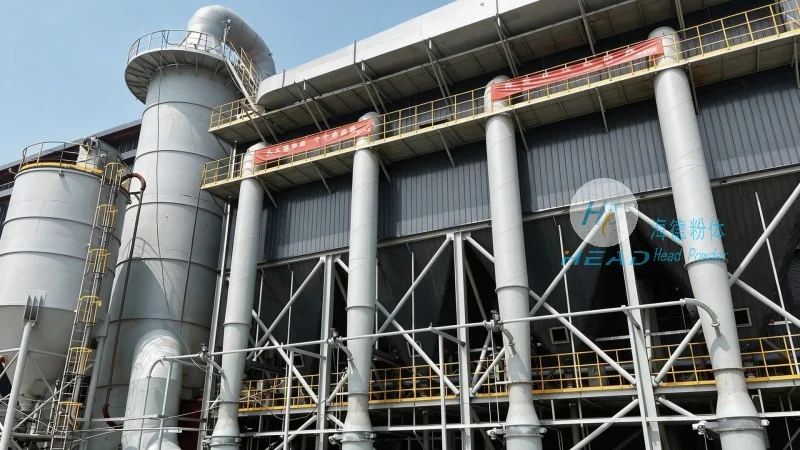
Key Features and Technical Advantages
Modern wheat flour bulk handling systems from Shandong HeadPowder Engineering Co., Ltd. (headpowder) are engineered with several key features that enhance performance and reliability. These include advanced control systems that allow real-time monitoring of flow rates, pressure, and material levels, enabling operators to adjust parameters dynamically for optimal operation. The systems also incorporate hygienic design elements, such as smooth surfaces, easy-to-clean components, and minimal dead zones, which are essential for maintaining food safety standards in flour processing. Furthermore, the use of durable materials, such as stainless steel and food-grade plastics, ensures longevity and resistance to corrosion and wear, reducing maintenance costs over the system's lifecycle.
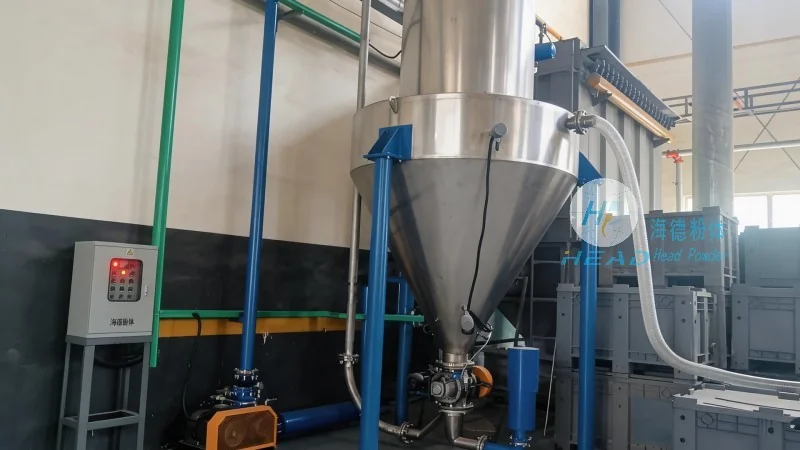
Customization and Integration Capabilities
headpowder recognizes that each wheat flour handling application has unique requirements, which is why their systems are highly customizable. Clients can specify the type of transport (pneumatic or mechanical), the capacity needed, and the integration with existing production lines. The company offers tailored solutions that align with specific production volumes, facility layouts, and operational constraints. For example, in a small-scale bakery, a compact mechanical conveyor system may be sufficient, while a large flour mill might require a combination of pneumatic and mechanical components to handle high throughput. This flexibility ensures that the systems are not only efficient but also scalable, allowing businesses to adapt to changing production needs over time.
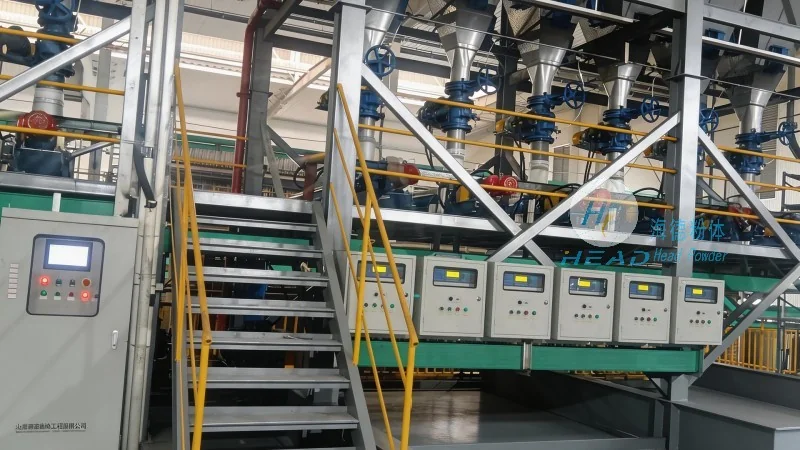
Maintenance and Operational Efficiency
Ensuring the long-term performance of wheat flour bulk handling systems requires regular maintenance and proper operational practices. headpowder provides comprehensive support, including maintenance plans and technical guidance, to help clients maximize system uptime and minimize downtime. The systems are designed with easy access to components, allowing for quick inspections and repairs. Additionally, the use of energy-efficient motors and optimized airflow in pneumatic systems reduces operational costs and environmental impact. By prioritizing both reliability and efficiency, these systems contribute to overall operational excellence in flour processing facilities.
Conclusion
Wheat flour bulk handling systems are indispensable tools for modern flour processing operations, combining advanced engineering principles with practical application in diverse industrial settings. The systems from Shandong HeadPowder Engineering Co., Ltd. exemplify the industry's commitment to quality, efficiency, and food safety, providing customized solutions that meet the unique needs of each client. Whether in large-scale mills or smaller processing plants, these systems play a vital role in ensuring smooth, reliable, and cost-effective flour handling, supporting the success of businesses in the grain and food industries.