

Principle and Working Scene Characteristics of Monosodium Glutamate Powder Conveying Systems
Monosodium glutamate (MSG) powder conveying systems are critical components in the food processing and chemical industries, designed to efficiently transport MSG powder from storage to processing or packaging units. These systems are engineered to handle the unique properties of MSG powder, such as its fine particle size, hygroscopic nature, and potential for dust generation. The core principle of these systems involves the use of specialized equipment like pneumatic conveyors, screw conveyors, and vacuum pumps to ensure safe, efficient, and reliable material handling. By understanding the underlying principles and typical working scenarios, industries can optimize their production lines and enhance operational efficiency.
Key Principles of Monosodium Glutamate Powder Conveying
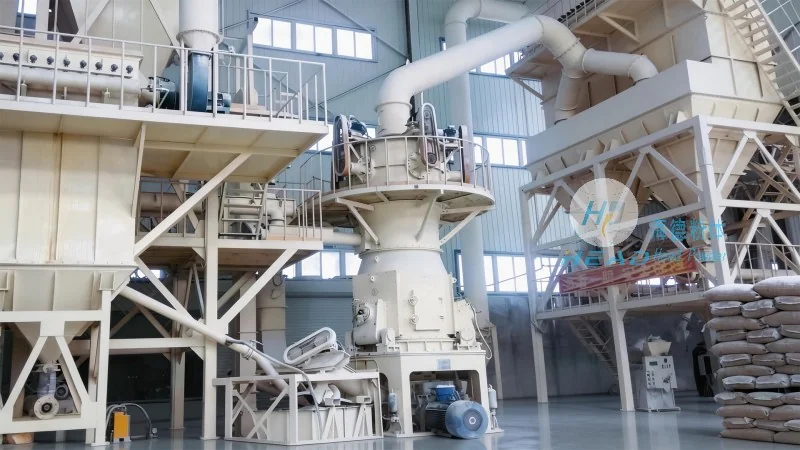
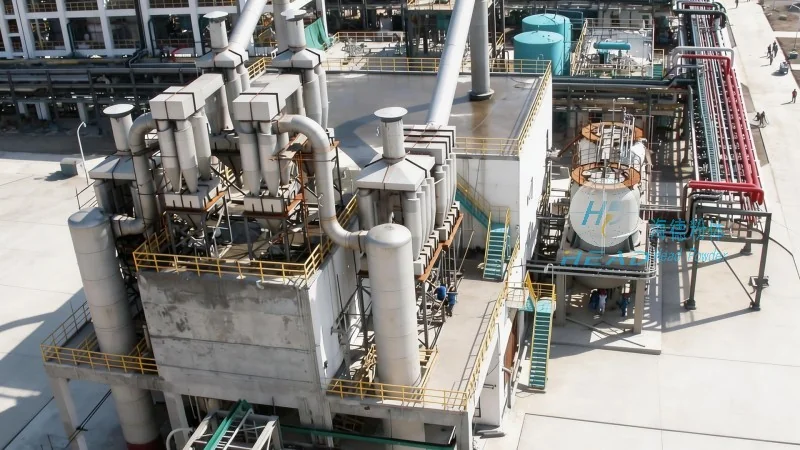
The fundamental principle of MSG powder conveying systems is to move bulk powder through a controlled environment while minimizing product degradation, contamination, and loss. Pneumatic conveying systems, for instance, utilize air pressure to transport powder in a sealed pipeline, reducing the risk of dust exposure and ensuring consistent flow rates. Screw conveyors, on the other hand, rely on rotating screws to push powder forward, making them suitable for horizontal or slight incline applications. Vacuum systems are also employed, especially in applications requiring gentle handling or when dealing with sensitive powders. Each system is tailored to the specific characteristics of MSG powder, such as its moisture content and flowability, to maintain product integrity throughout the conveying process.
Working Scene Characteristics in Industrial Applications
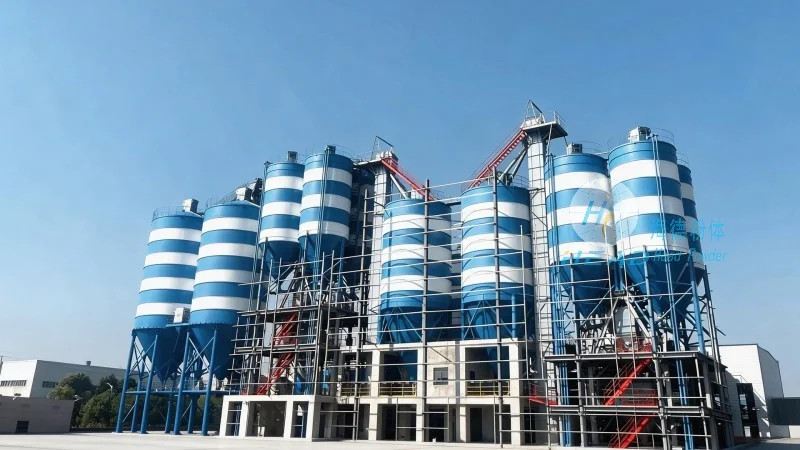
In industrial settings, MSG powder conveying systems are deployed in various scenarios, each with distinct operational requirements. For example, in large-scale food processing plants, these systems are integrated into production lines to transport MSG from bulk storage silos to mixing or blending units. The working scene often involves high-volume, continuous operation, where the system must maintain a stable flow rate to meet production demands. Another common scenario is in chemical manufacturing facilities, where MSG powder is conveyed to packaging lines or quality control stations. Here, the system may need to handle varying particle sizes or moisture levels, requiring adjustable conveying parameters to ensure consistent product quality. Additionally, in pharmaceutical or nutraceutical applications, the conveying system must adhere to stringent hygiene and contamination control standards, often incorporating stainless steel components and sealed pipelines to meet regulatory requirements. These working scenarios highlight the adaptability of MSG powder conveying systems to diverse industrial needs while maintaining efficiency and safety.
Company Overview: Shandong HeadPowder Engineering Co., Ltd.
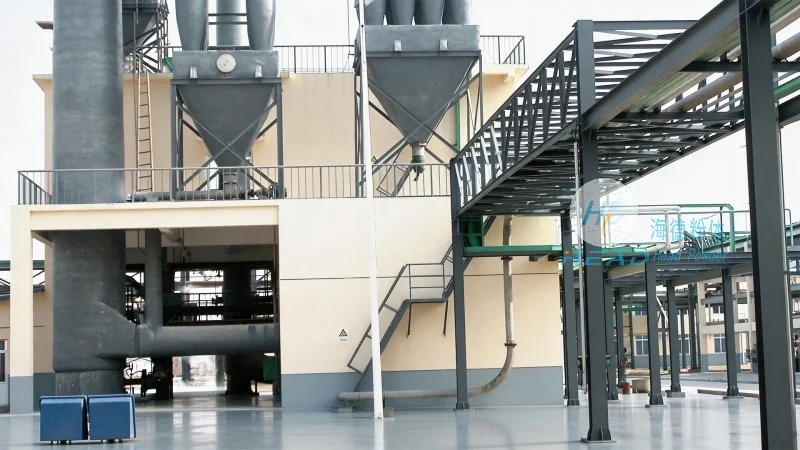
HeadPowder, a leading provider of engineering solutions for powder handling systems, specializes in designing and manufacturing customized conveying equipment for industries like food processing and chemical manufacturing. With a focus on innovation and quality, the company has developed advanced systems tailored to the unique challenges of handling MSG powder. HeadPowder's expertise lies in understanding the material properties of MSG and integrating state-of-the-art technology to ensure reliable and efficient operation. The company's facilities are located in Shandong, China, where it leverages local resources and expertise to deliver high-performance conveying solutions. By partnering with HeadPowder, industries can enhance their production processes, reduce downtime, and improve overall operational efficiency while maintaining product quality and safety standards.