

Principle and Working Scene Characteristics of Fly Ash Powder Conveying Equipment
Shandong HeadPowder Engineering Co., Ltd., commonly known as headpowder, specializes in the design, manufacturing, and supply of advanced powder conveying equipment. With a focus on industrial applications, the company has established itself as a leading provider of solutions tailored to the unique demands of various sectors, including power generation and cement production. Headquartered in Shandong, China, the company leverages years of expertise to deliver reliable and efficient equipment for handling challenging powders like fly ash.
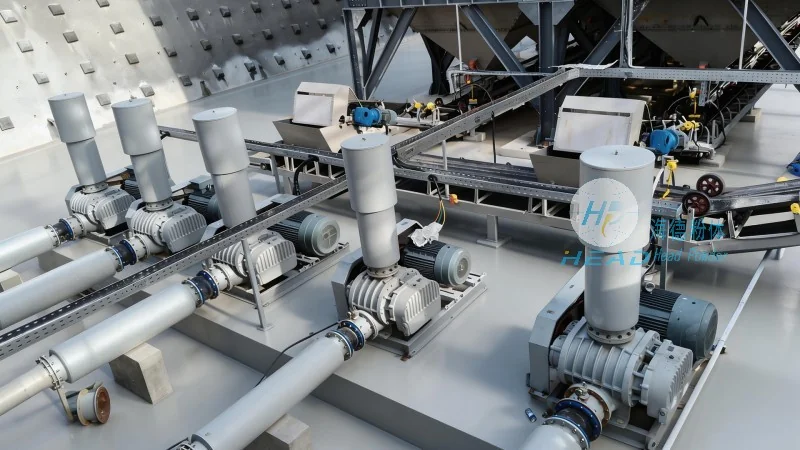
Principle of Fly Ash Powder Conveying Equipment
Fly ash powder conveying equipment operates on the fundamental principles of pneumatic or mechanical conveying systems, designed to transport fine powders such as fly ash from one location to another. The core mechanism typically involves creating a pressure differential or utilizing mechanical components to move the material through a pipeline. For pneumatic systems, compressed air or gas is used to generate the necessary force to propel the fly ash particles. In mechanical systems, rotary or screw mechanisms may be employed to push the material along. The design of these systems is optimized to handle the specific properties of fly ash, including its fine particle size, low bulk density, and potential for dust generation. By controlling variables such as air flow rate, pressure, and pipeline diameter, operators can achieve consistent and efficient material transport, minimizing downtime and ensuring compliance with safety and environmental regulations.
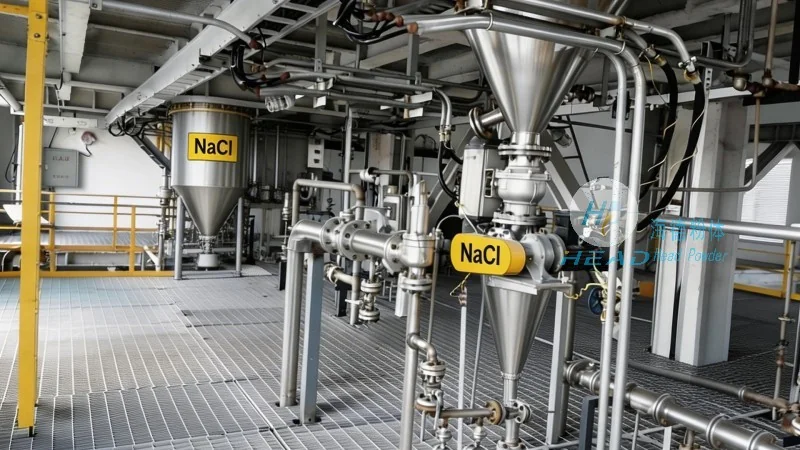
Working Scene Characteristics of Fly Ash Powder Conveying Equipment
The working scene characteristics of fly ash powder conveying equipment are tailored to the diverse operational environments where fly ash is generated and processed. In power plants, for instance, these systems are integrated into the ash handling process, efficiently transporting fly ash from boiler ash hoppers to storage silos or disposal sites. The equipment is designed to operate in high-temperature and high-humidity conditions, with robust materials and sealing mechanisms to prevent material leakage and maintain air tightness. In cement factories, the conveying equipment is used to move fly ash as a raw material for cement production, ensuring a steady supply to the mixing and grinding processes. The systems are also adapted for use in industrial settings where space constraints and noise levels are critical factors. For example, in urban or residential areas near power plants, the equipment is engineered to minimize noise pollution and reduce the environmental impact of fly ash handling. Additionally, the equipment is designed for easy integration with existing infrastructure, allowing for seamless upgrades or replacements in existing facilities.
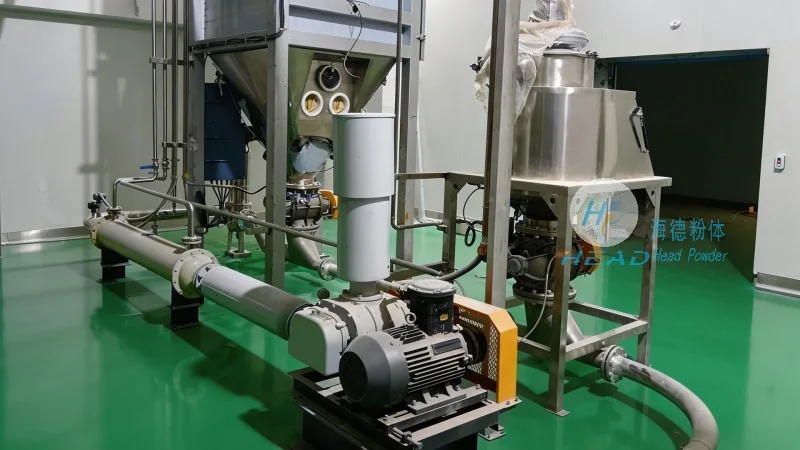
Typical Working Scenarios and Applications
Headpowder's fly ash powder conveying equipment is widely used in various industrial settings, each with distinct operational requirements. In thermal power plants, the equipment is crucial for managing the large volumes of fly ash produced during coal combustion. The systems are capable of handling high flow rates, often exceeding 100 tons per hour, and are designed to operate continuously over long periods without significant maintenance. In cement manufacturing, the equipment is used to blend fly ash with other raw materials, improving the quality and durability of the final product. The conveying systems are also employed in waste management facilities, where fly ash is processed and disposed of in compliance with environmental regulations. The versatility of the equipment allows it to be adapted for use in both new construction projects and retrofit applications, providing a cost-effective solution for existing facilities looking to upgrade their ash handling capabilities.
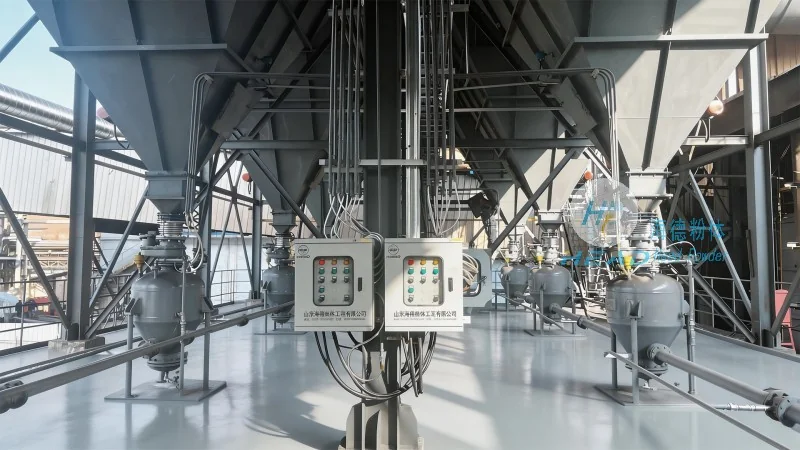
Key Features and Advantages
Headpowder's fly ash powder conveying equipment offers several key advantages that make it an ideal choice for industrial applications. The equipment is designed with durability and reliability in mind, using high-quality materials such as stainless steel and corrosion-resistant alloys to withstand the harsh conditions of fly ash handling. The systems are equipped with advanced control systems that allow for precise regulation of air flow and pressure, ensuring consistent material transport and minimizing material loss. Additionally, the equipment is designed for easy maintenance, with accessible components and modular design that allows for quick repairs and replacements. The systems also feature energy-efficient operation, reducing operational costs and environmental impact. The company's commitment to innovation ensures that the equipment is continuously improved to meet the evolving needs of the industry, with features such as automated monitoring and remote diagnostics to enhance operational efficiency.