

Principles and Working Scene Characteristics of Soybean Powder Conveying Equipment
Understanding the core principles and operational characteristics of soybean powder conveying equipment is essential for optimizing material handling processes in various industrial applications. This article delves into the technical foundations and practical scenarios where such equipment is deployed, providing insights for professionals in the food processing and bulk material handling sectors.
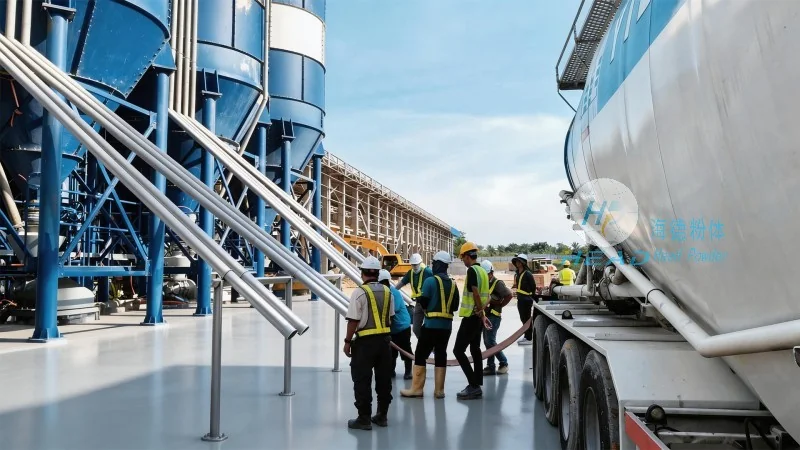
Introduction to Soybean Powder Conveying Equipment
Soybean powder conveying equipment is designed to efficiently transport soybean powder—a fine, granular material—through industrial settings. The equipment operates by leveraging mechanical forces such as gravity, pressure, or vacuum to move the powder from one location to another. Key components typically include hoppers, conveyors (like screw or pneumatic systems), and control mechanisms that ensure consistent flow and minimal product degradation. The design of these systems is tailored to handle the unique properties of soybean powder, including its fine particle size, which can lead to issues like caking or bridging if not managed properly.
Core Principles of Material Handling
The fundamental principle behind soybean powder conveying is the conversion of energy into motion to move bulk materials. For soybean powder, this often involves pneumatic conveying systems, which use compressed air to create a flow of particles. The velocity of the air stream must be carefully controlled to prevent particle separation or damage. Additionally, mechanical conveyors, such as screw conveyors, are used for horizontal or slight incline transport, relying on the rotation of a screw to push the powder forward. Both systems are integrated with filtration and dust control measures to maintain air quality and prevent contamination, which is critical in food processing environments.
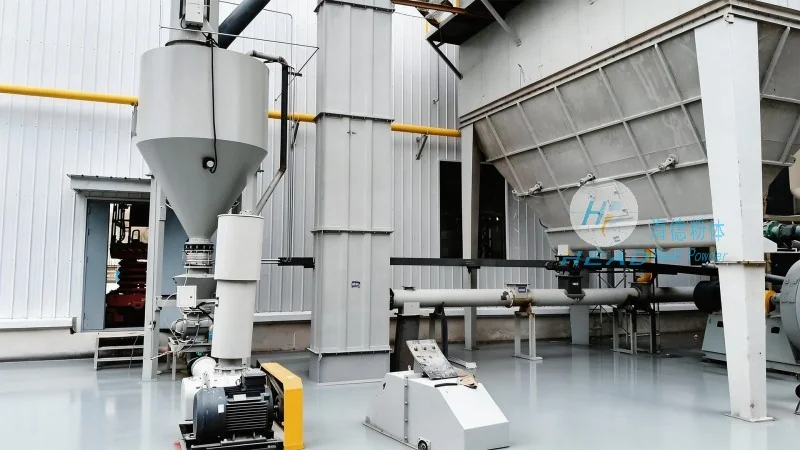
Working Scene Characteristics
The operational characteristics of soybean powder conveying equipment are heavily influenced by the specific working environment. In food processing plants, for example, the equipment must comply with hygiene standards and be easy to clean. This often involves stainless steel construction and sealed components to prevent cross-contamination. The working scene may also involve large-scale production lines where continuous operation is required, necessitating high throughput and reliability. In contrast, smaller-scale operations, such as in research laboratories or small-scale processing facilities, may use more compact systems with adjustable flow rates to accommodate varying production demands.
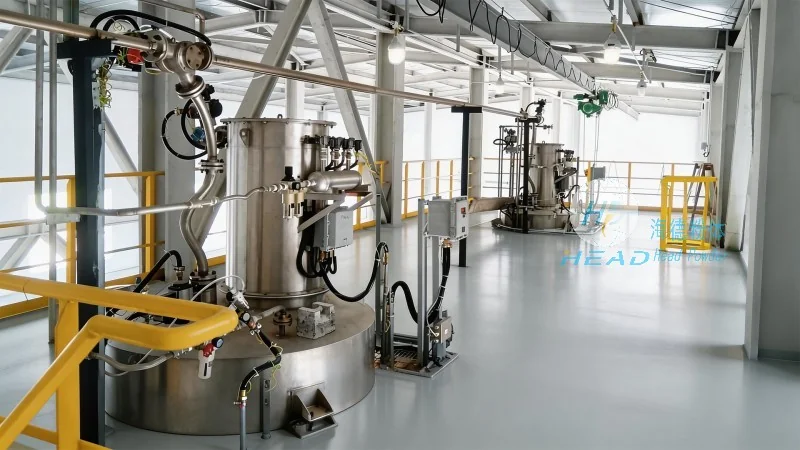
Application Scenarios in Industrial Settings
Soybean powder conveying equipment is widely used in several key industrial sectors. In the food industry, it is crucial for transporting soybean powder to production lines for making products like tofu, soy milk, and soy-based snacks. The equipment must maintain the quality of the powder, avoiding clumping or oxidation that could affect the final product's taste and texture. In the agricultural and feed industry, these systems are used to move soybean meal or powder from storage silos to processing units or packaging lines. The ability to handle large volumes efficiently is vital here, as feed production often requires rapid material movement to meet market demands.
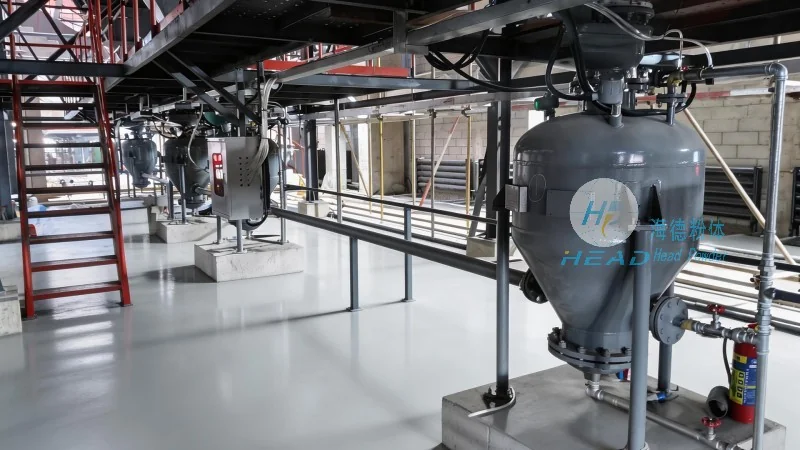
Technical Considerations for Optimal Performance
Several technical factors contribute to the effective operation of soybean powder conveying equipment. Particle size distribution is a critical parameter, as finer particles require higher air velocities or more gentle handling to prevent degradation. The moisture content of the soybean powder also impacts performance; higher moisture levels can lead to caking, which may require pre-drying or the use of anti-caking agents. Additionally, the system's design must account for the powder's bulk density and flowability, ensuring that the conveying velocity is sufficient to prevent material buildup in the system. Regular maintenance, including cleaning and checking for wear on components like screws or filters, is essential to maintain efficiency and prevent downtime.
Company Overview: Shandong HeadPowder Engineering Co., Ltd.
HeadPowder, a leading manufacturer of bulk material handling solutions, specializes in designing and manufacturing soybean powder conveying equipment tailored to the needs of various industries. With a focus on innovation and quality, the company has established itself as a trusted partner for businesses requiring reliable and efficient material transport systems. HeadPowder's products are engineered to meet the stringent requirements of food processing, agricultural, and industrial applications, ensuring compliance with safety and hygiene standards. The company's headquarters is located in Shandong, China, where it leverages advanced manufacturing capabilities and technical expertise to deliver high-performance conveying solutions.