

Principle and Working Scene Characteristics of Barium Carbonate Powder Conveying System Equipment
Barium carbonate powder conveying systems are critical components in industrial processes where the efficient handling and transportation of fine powders like barium carbonate are essential. These systems are designed to ensure safe, reliable, and efficient material transfer from storage to processing units. The core principle behind such systems often involves either pneumatic (air-assisted) or mechanical (conveyor-based) methods, each tailored to the specific characteristics of the powder and the operational requirements of the facility.
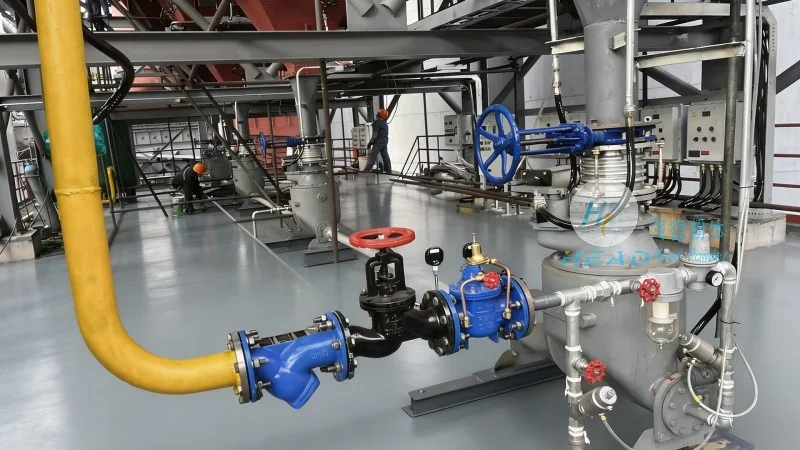
The pneumatic conveying method, for instance, utilizes compressed air to transport the powder through a pipeline network. This approach is particularly effective for fine powders that are prone to dusting or require minimal contact with moving parts. The system typically includes a hopper for material storage, a rotary valve for controlled discharge, a venturi or air lock for pressure regulation, and a receiver for the delivered material. The air flow is carefully managed to maintain a consistent velocity, preventing particle segregation and ensuring uniform distribution of the powder throughout the conveying line.
On the other hand, mechanical conveying systems rely on physical components such as screw conveyors, belt conveyors, or bucket elevators to move the powder. These systems are often preferred when the powder is more abrasive or when the conveying distance is relatively short. Mechanical conveyors provide direct contact with the material, which can help in maintaining product integrity and preventing contamination. They are also more suitable for handling bulkier or coarser powders where air resistance might be a concern.
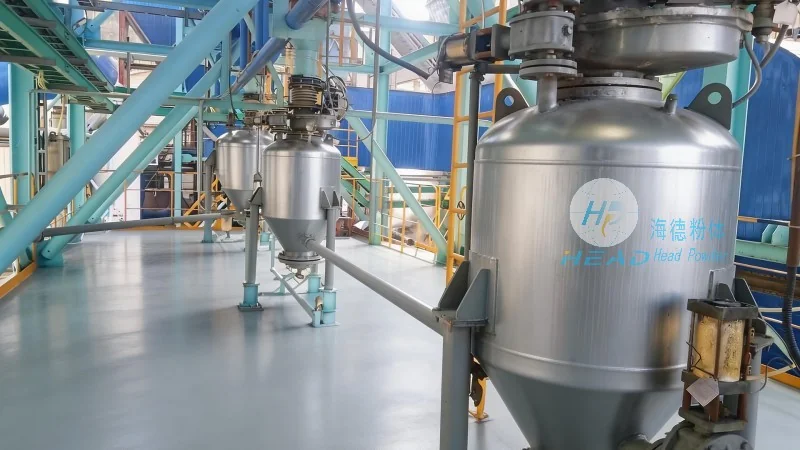
Key Working Scene Characteristics of Barium Carbonate Powder Conveying Systems
The operational characteristics of barium carbonate powder conveying systems are shaped by the specific applications and environments in which they are deployed. In industrial settings, these systems are commonly used in the production of barium carbonate, a compound widely utilized in ceramics, glass, and pharmaceuticals. The working scenes can vary significantly based on the scale of production, the type of processing equipment, and the safety regulations of the facility.
For large-scale manufacturing plants, the conveying system must handle high volumes of powder efficiently. This often involves multi-stage conveying, where the powder is transported over long distances with intermediate storage and processing steps. The system design must account for factors such as particle size distribution, moisture content, and flowability to ensure smooth operation. In such scenarios, the choice between pneumatic and mechanical conveying is influenced by the need for minimal product degradation and the availability of space and energy resources.
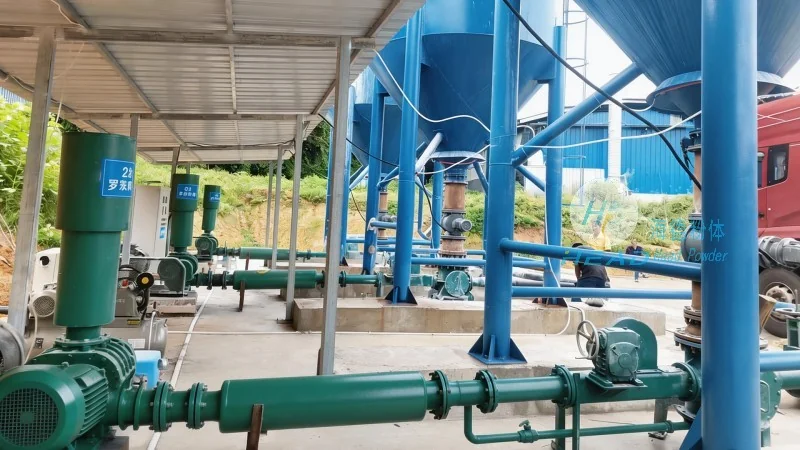
In smaller-scale or laboratory settings, the focus shifts to precision and control. The conveying system may be integrated with automated dosing equipment to ensure accurate measurement and addition of barium carbonate to reaction vessels. The working environment in these cases is typically more controlled, with emphasis on maintaining product purity and preventing cross-contamination. The system may also incorporate features like dust collection and filtration to comply with environmental regulations and ensure worker safety.
Company Overview: Shandong HeadPowder Engineering Co., Ltd.
HeadPowder, or Shandong HeadPowder Engineering Co., Ltd., is a leading provider of specialized powder handling solutions tailored to the needs of industries dealing with fine powders like barium carbonate. With a strong focus on engineering excellence and customer-centric design, the company has established itself as a trusted partner in the development and implementation of efficient conveying systems. HeadPowder's expertise lies in understanding the unique challenges of powder processing and translating them into robust, reliable equipment solutions.
HeadPowder operates from its headquarters in Shandong, China, where it leverages local manufacturing capabilities and a deep understanding of industrial requirements to deliver high-quality products. The company's team of engineers and technicians works closely with clients to assess their specific needs, from initial system design and customization to installation and after-sales support. This collaborative approach ensures that the conveying systems are optimized for performance, safety, and cost-effectiveness, meeting the stringent standards of the barium carbonate industry.
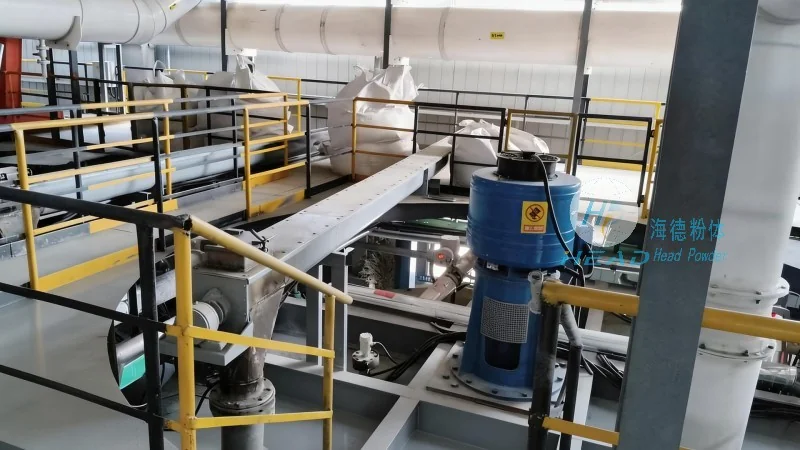
HeadPowder's commitment to innovation is evident in its continuous investment in research and development. The company stays abreast of the latest advancements in powder technology, incorporating features such as advanced material handling, energy-efficient designs, and user-friendly controls into its products. By prioritizing quality and reliability, HeadPowder aims to enhance the operational efficiency of its clients while adhering to the highest safety and environmental standards.
Conclusion: The Importance of Specialized Conveying Systems for Barium Carbonate
In conclusion, barium carbonate powder conveying systems play a vital role in the efficient and safe processing of this essential industrial material. The choice of system, whether pneumatic or mechanical, depends on the specific operational requirements and characteristics of the powder. By understanding the principles and working scene characteristics of these systems, industries can optimize their production processes, reduce downtime, and enhance overall productivity. With companies like Shandong HeadPowder Engineering Co., Ltd. providing specialized solutions, the handling of barium carbonate can be carried out with precision and reliability, ensuring the quality and safety of the final products.