

Principle and Working Scene Characteristics of Sodium Phosphate Powder Conveying System Equipment
HeadPowder, a leading enterprise based in Shandong, China, specializes in the design, manufacturing, and supply of advanced powder conveying systems tailored for sodium phosphate applications. This article delves into the fundamental principles and operational characteristics of such systems, providing a comprehensive overview for industry professionals seeking efficient material handling solutions.
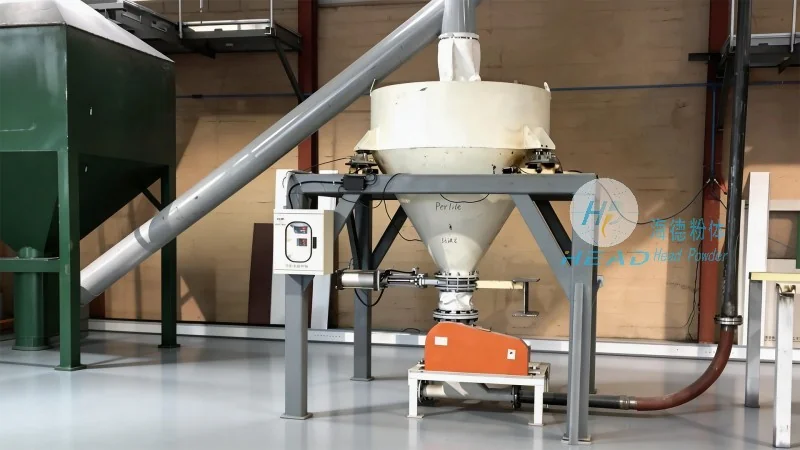
Overview of Sodium Phosphate Powder Conveying Systems
Sodium phosphate, a critical chemical widely used in industries like food processing, pharmaceuticals, and water treatment, requires reliable and efficient conveying methods to ensure consistent quality and safety. The sodium phosphate powder conveying system equipment developed by HeadPowder Engineering Co., Ltd. addresses these needs through innovative design and robust engineering. These systems are engineered to handle the unique properties of sodium phosphate, including its fine particle size, hygroscopic nature, and potential for dust generation, ensuring optimal performance and minimal material loss.
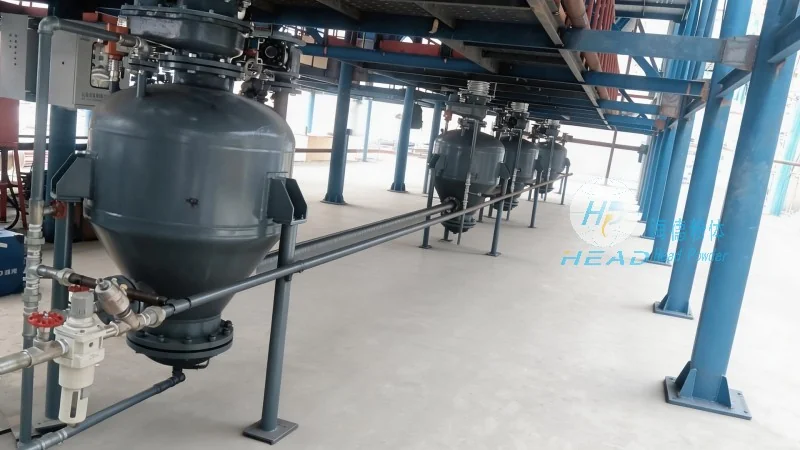
Core Principles of the Conveying System
The operation of the sodium phosphate powder conveying system is based on several key principles that ensure efficient material transport. The primary mechanism involves the use of positive displacement or pneumatic conveying technologies, which are selected based on the specific characteristics of the sodium phosphate powder and the required conveying distance. Positive displacement systems, such as rotary lobe pumps or piston pumps, are ideal for handling dry, free-flowing powders like sodium phosphate, as they provide consistent flow rates and maintain positive pressure to prevent material degradation or clogging. Pneumatic conveying systems, on the other hand, utilize air or gas to transport the powder through a pipeline, offering flexibility in layout and the ability to handle larger volumes over longer distances. Both approaches are integrated with advanced control systems that monitor pressure, flow rate, and temperature, ensuring precise and safe operation.
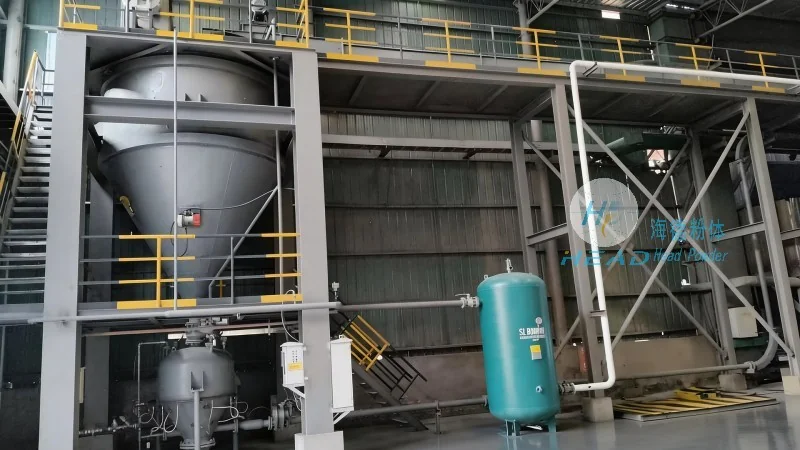
Working Scene Characteristics and Application Scenarios
The working scene characteristics of the sodium phosphate powder conveying system are tailored to meet diverse industrial requirements. These systems are designed to operate in environments where space is limited or where integration with existing production lines is necessary. The compact design of the equipment allows for easy installation in confined areas, while the modular construction enables customization to fit specific process needs. For instance, in food processing facilities, the system is used to transport sodium phosphate from storage silos to production lines, ensuring hygienic and dust-free handling. In pharmaceutical applications, the conveying system maintains strict contamination control, as sodium phosphate is often used as an excipient or active ingredient. The system's ability to handle fine powders without agglomeration is crucial in these scenarios, as it prevents product quality issues and ensures compliance with regulatory standards.
Key Features and Advantages in Real-World Applications
HeadPowder's sodium phosphate powder conveying system equipment offers several advantages that enhance operational efficiency and product quality. One of the primary features is the use of high-quality materials, such as stainless steel and food-grade components, which are resistant to corrosion and ensure the integrity of the sodium phosphate powder. The system is also equipped with advanced filtration and dust collection systems, reducing the risk of dust exposure and environmental contamination. Additionally, the control system provides real-time monitoring and data logging, allowing operators to track performance and identify potential issues before they escalate. These features contribute to lower maintenance costs, increased uptime, and improved overall productivity in industrial settings.
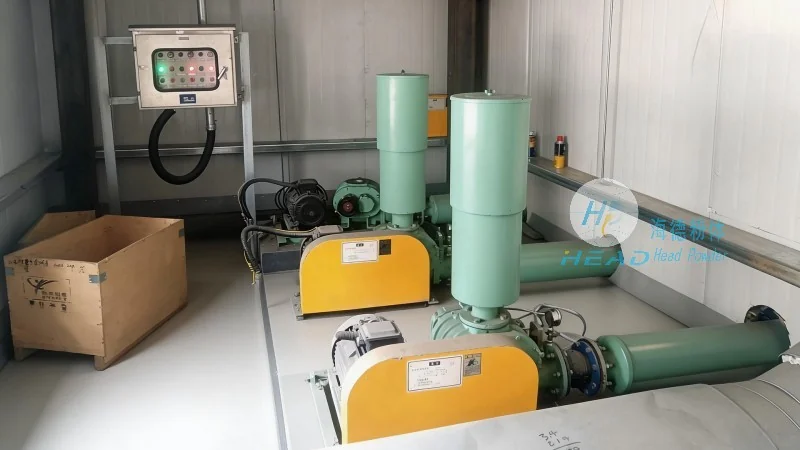
Conclusion and Future Outlook
HeadPowder Engineering Co., Ltd. continues to innovate in the field of powder conveying systems, providing reliable and efficient solutions for sodium phosphate handling. The principles and working scene characteristics outlined in this article demonstrate the effectiveness of the system in meeting the demands of various industries. As the demand for high-quality sodium phosphate increases, the importance of efficient and safe conveying systems becomes more critical. HeadPowder remains committed to delivering advanced technology and customer-focused solutions to support the growth of its clients in the chemical and related industries.