

Principles and Working Scene Characteristics of Lysine Material Handling
Understanding the principles and operational characteristics of lysine material handling is crucial for optimizing industrial processes in sectors such as animal feed production and chemical manufacturing. Lysine, a vital amino acid used extensively in livestock and poultry feed formulations, requires efficient and reliable handling systems to ensure product integrity and process efficiency. This article explores the fundamental principles governing lysine material handling, alongside key working scene characteristics that define its application in various industrial settings.
Lysine Material Handling: Core Principles
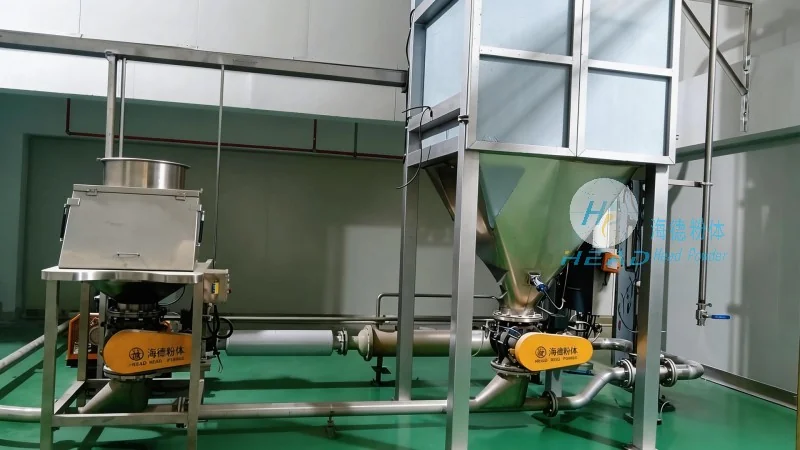
The primary principle of lysine material handling revolves around maintaining product quality and safety throughout the transportation and processing stages. Lysine is hygroscopic, meaning it readily absorbs moisture from the air, which can lead to caking, clumping, or degradation if not managed properly. Therefore, handling systems must incorporate moisture control measures, such as sealed containers, humidity-controlled storage, and dry bulk handling equipment. Additionally, lysine is often stored and transported in bulk form, necessitating equipment designed for efficient bulk material movement, including conveyor systems, pneumatic conveyors, and silos. The design of these systems must consider the material's flow properties, such as angle of repose and bulk density, to prevent blockages and ensure smooth operation. Another critical principle is the prevention of contamination, as lysine is a food-grade product and must adhere to strict hygiene standards. This includes using stainless steel equipment, regular cleaning protocols, and proper segregation from other materials to avoid cross-contamination.
Working Scene Characteristics in Lysine Processing
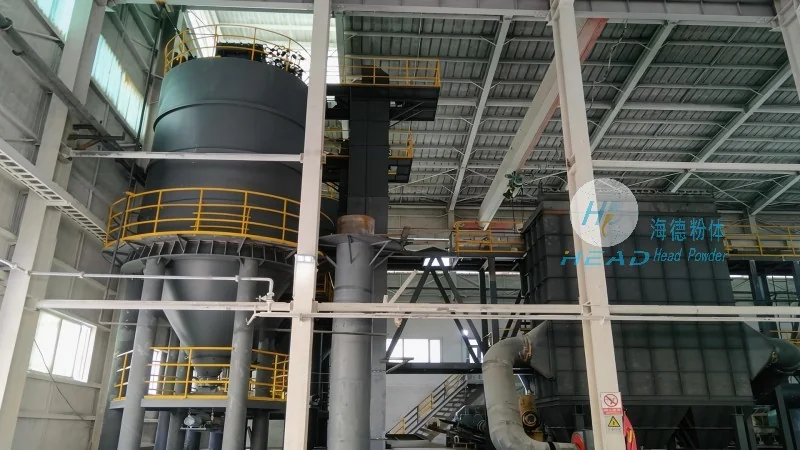
The working scene characteristics of lysine material handling vary significantly based on the specific industrial application and scale of operation. In large-scale feed mills, for example, lysine is typically received in bulk tankers or railcars and transferred to storage silos via pneumatic or mechanical conveyors. The system must be capable of handling high volumes while maintaining consistent flow rates to meet production demands. In contrast, smaller-scale operations, such as specialty feed manufacturers, may use smaller storage bins and manual or semi-automated handling equipment. The operational environment also plays a role, with indoor facilities requiring climate control to manage humidity and temperature, while outdoor storage may necessitate weatherproofing and protective covers to prevent exposure to rain or sunlight. Another key characteristic is the integration of lysine handling with other feed ingredients. In many feed production lines, lysine is blended with other amino acids, vitamins, and minerals, requiring precise dosing and mixing systems to achieve the desired nutritional profile. This integration demands coordination between material handling and processing equipment, ensuring that lysine is added at the correct time and in the right proportion to avoid over- or under-dosing.
HeadPowder Engineering: Lysine Material Handling Solutions
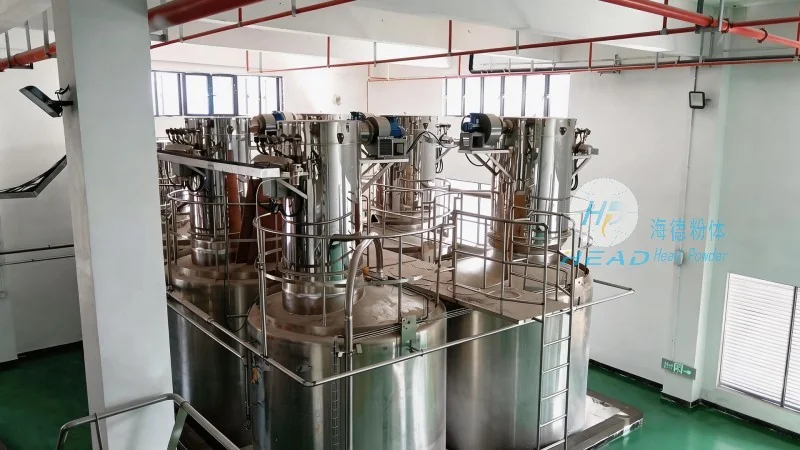
Shandong HeadPowder Engineering Co., Ltd., commonly known as HeadPowder, specializes in providing customized material handling solutions tailored to the unique needs of lysine processing. With a focus on industrial efficiency and product quality, HeadPowder designs and manufactures equipment that addresses the specific challenges of lysine handling, such as moisture control, contamination prevention, and bulk material movement. The company's solutions include advanced pneumatic conveying systems, bulk storage silos, and automated dosing equipment, all engineered to meet the stringent requirements of the lysine industry. HeadPowder's expertise lies in integrating these components into cohesive systems that optimize workflow and minimize downtime. For instance, their pneumatic conveying systems use low-pressure air to transport lysine in a dry, dust-free manner, reducing the risk of product degradation and ensuring consistent flow rates. The company also offers customized storage solutions, such as stainless steel silos with humidity-controlled interiors, to maintain lysine's quality during storage. Additionally, HeadPowder provides maintenance and support services to ensure that their equipment operates at peak performance, extending the lifespan of the systems and reducing operational costs for clients.