

Principles and Working Scene Characteristics of Spice Material Handling Equipment
Spice material handling equipment is a specialized system designed to efficiently transport and process various spice powders and granules. These devices play a crucial role in the spice industry, ensuring smooth operations from raw material reception to final product packaging. The core components and operational principles of such equipment are tailored to meet the unique challenges posed by spice materials, including their varying particle sizes, moisture content, and potential for dust generation.
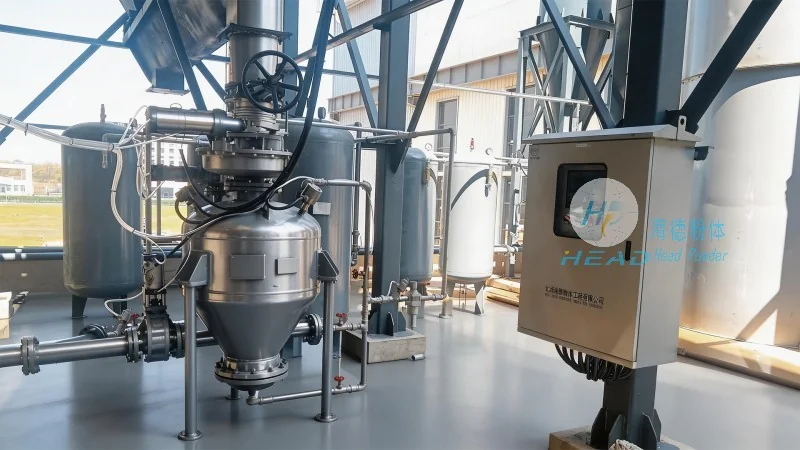
About Shandong HeadPowder Engineering Co., Ltd.
HeadPowder, a leading manufacturer based in Shandong, China, specializes in the design, development, and production of advanced spice material handling solutions. With a strong commitment to quality and innovation, the company has established itself as a trusted partner for businesses operating in the spice processing sector. HeadPowder's expertise lies in creating customized equipment that addresses the specific needs of each client, ensuring optimal performance and reliability in diverse industrial environments.
Principles of Spice Material Handling Equipment
The fundamental principle behind spice material handling equipment is the efficient transfer of bulk materials while maintaining product integrity. This involves several key components, including feeders, conveyors, and storage systems, all working in tandem to achieve seamless material flow. Feeders, such as screw feeders or vibratory feeders, are used to regulate the flow rate of spice materials, preventing overloading or underloading of downstream equipment. Conveyors, including belt conveyors, chain conveyors, or pneumatic systems, then transport the materials to designated locations, such as processing lines or storage silos. Storage systems, like silos or hoppers, provide controlled storage to maintain consistent material quality and prevent contamination.
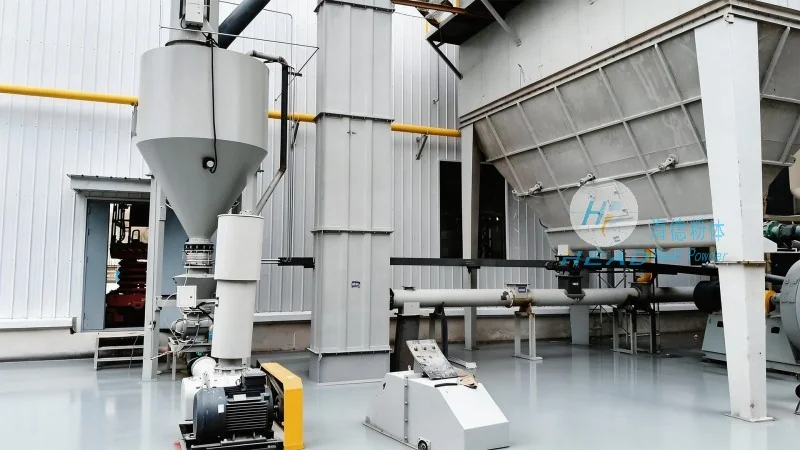
One of the critical aspects of the equipment's design is the consideration of spice characteristics. Since spices often have fine particles and can be prone to dust, equipment is engineered with features like dust collection systems and sealed components to minimize environmental impact and ensure worker safety. Additionally, the materials used in construction, such as stainless steel or food-grade plastics, are chosen to withstand the corrosive nature of many spice products and maintain hygiene standards.
Working Scene Characteristics of the Equipment
The working scene characteristics of spice material handling equipment vary significantly based on the application and scale of the operation. In small-scale spice processing facilities, equipment may be simpler, with manual or semi-automatic feeding mechanisms. However, in large industrial settings, such as spice processing plants or food manufacturing complexes, the equipment operates in a highly automated and integrated manner, often connected to other processing lines like grinding, mixing, or packaging.
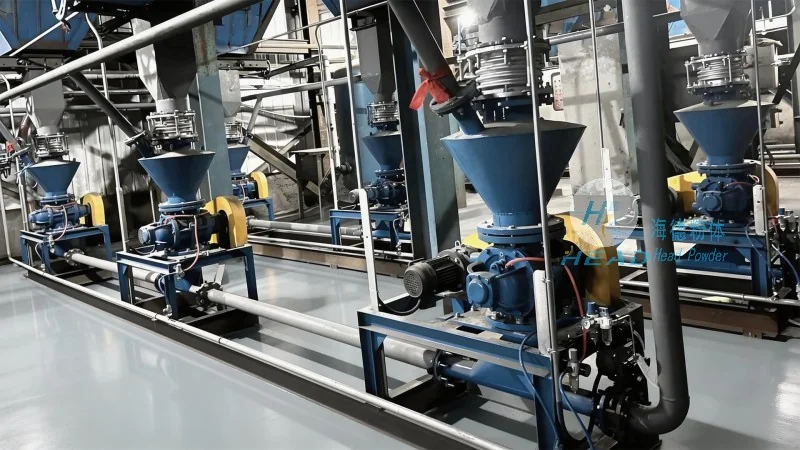
In these industrial environments, the equipment is typically installed in a clean and organized layout, with clear pathways for material flow and easy access for maintenance. The working environment is often characterized by controlled temperature and humidity to preserve the quality of the spices. Additionally, safety features, such as emergency stop buttons and protective guards, are integrated into the design to ensure the safety of operators and prevent accidents.
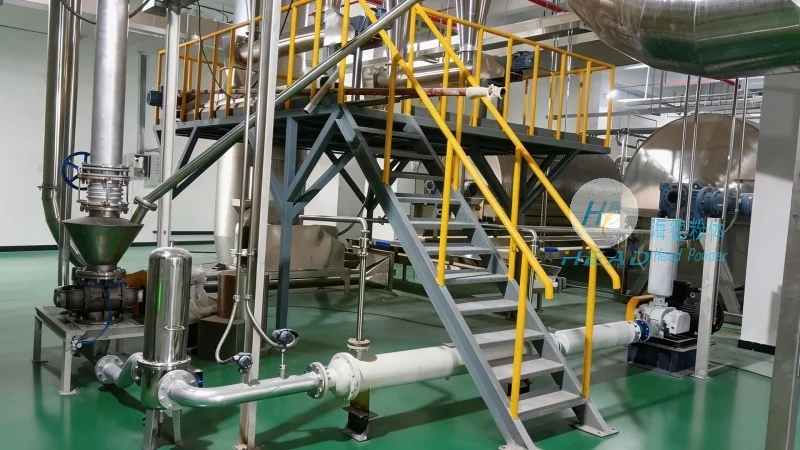
Another key characteristic is the adaptability of the equipment to different spice types. Whether handling ground black pepper, cumin seeds, or dried herbs, the system can be adjusted to accommodate varying particle sizes and flow properties. This flexibility is achieved through adjustable feed rates, variable speed conveyors, and customizable storage containers, allowing the equipment to handle a wide range of spice products efficiently.
Furthermore, the working scene often involves continuous operation, with the equipment running for extended periods to meet production demands. Regular maintenance and cleaning are essential to prevent clogging and ensure consistent performance. The design of the equipment, with easy-to-clean surfaces and accessible components, facilitates routine maintenance, reducing downtime and maintaining operational efficiency.