

Principles and Working Scene Characteristics of Dust-Free Automatic Material Conveying Lines
HeadPowder, a leading manufacturer based in Shandong, China, specializes in the design and implementation of advanced dust-free automatic material conveying systems. These systems are engineered to meet stringent industrial standards, ensuring efficient and clean material handling in various manufacturing environments. The core principle behind these lines lies in the integration of precision engineering, advanced control technologies, and robust dust containment measures, all working in harmony to deliver reliable performance.
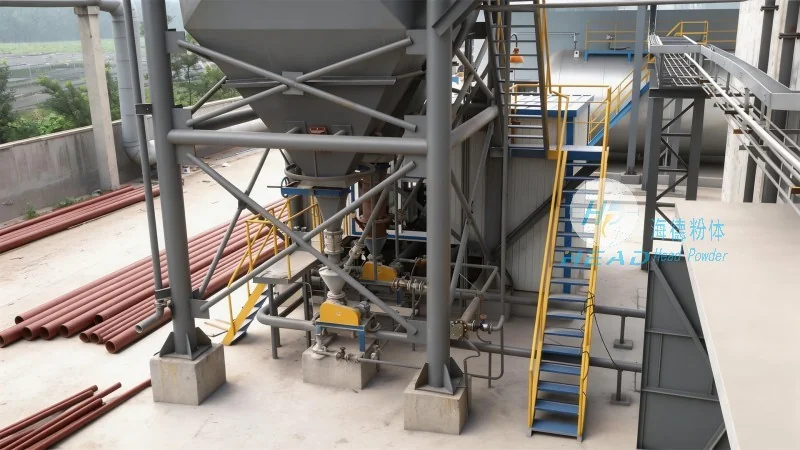
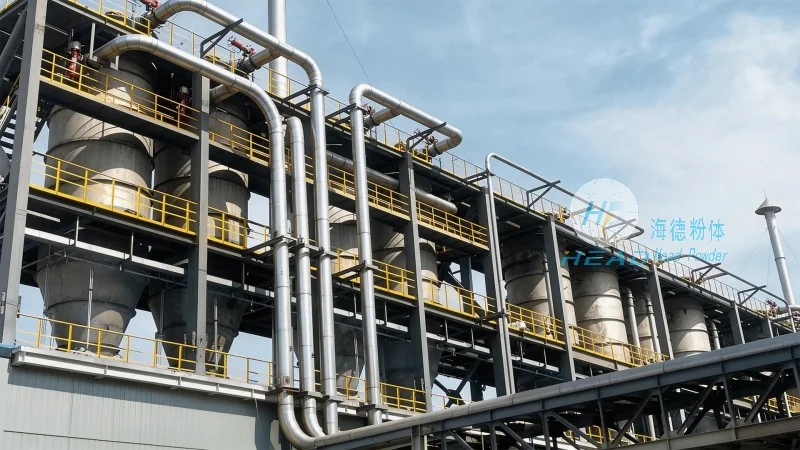
Key Principles of Dust-Free Material Conveying
The fundamental principle of a dust-free automatic material conveying line is the creation of a controlled, enclosed environment that minimizes the generation and spread of particulate matter. This is achieved through a combination of sealed conveyor components, effective filtration systems, and intelligent air management. The system typically operates on the principle of continuous or intermittent material movement, utilizing mechanisms such as belt conveyors, chain conveyors, or pneumatic transport to move materials from one processing stage to another. Each component is designed to maintain a negative pressure or sealed enclosure, preventing dust from escaping into the surrounding workspace. Additionally, the use of high-efficiency particulate air (HEPA) filters and proper ventilation ensures that any airborne particles are captured and removed, maintaining a clean and safe operational environment. The integration of sensors and automation controls further enhances the system's efficiency, allowing for real-time monitoring and adjustment of the conveying process. This not only improves material handling accuracy but also reduces downtime and maintenance requirements.
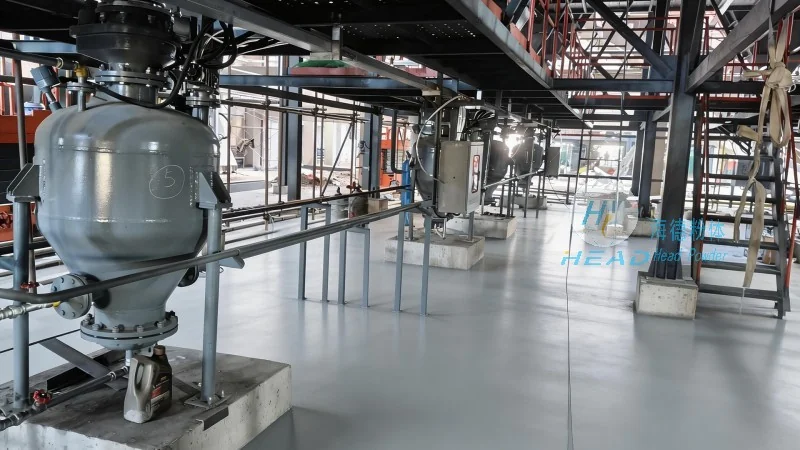
Working Scene Characteristics and Applications
Dust-free automatic material conveying lines are widely used in industries where maintaining a clean environment is critical, such as pharmaceutical manufacturing, food processing, electronics assembly, and semiconductor production. The working scene characteristics of these systems are tailored to the specific needs of each application. For instance, in pharmaceutical facilities, the conveying lines are designed to prevent cross-contamination and ensure product purity, with strict adherence to GMP (Good Manufacturing Practice) standards. The systems are often equipped with stainless steel components and easy-to-clean surfaces, facilitating regular sanitization and maintenance. In food processing plants, the conveying lines are constructed from food-grade materials and are designed to prevent material degradation or contamination from dust and other particles. The use of sanitary design features, such as smooth surfaces and minimal dead zones, ensures compliance with food safety regulations. In electronics and semiconductor manufacturing, the dust-free conveying lines are crucial for maintaining the integrity of sensitive components, as even minute particles can cause defects or damage. These systems are typically operated in cleanroom environments, with strict controls over temperature, humidity, and particulate levels. The working scene characteristics also include the ability to handle a variety of materials, from powders and granules to bulk solids and finished products. The flexibility of these conveying lines allows them to be integrated into existing production lines or used as standalone systems, depending on the specific requirements of the application.
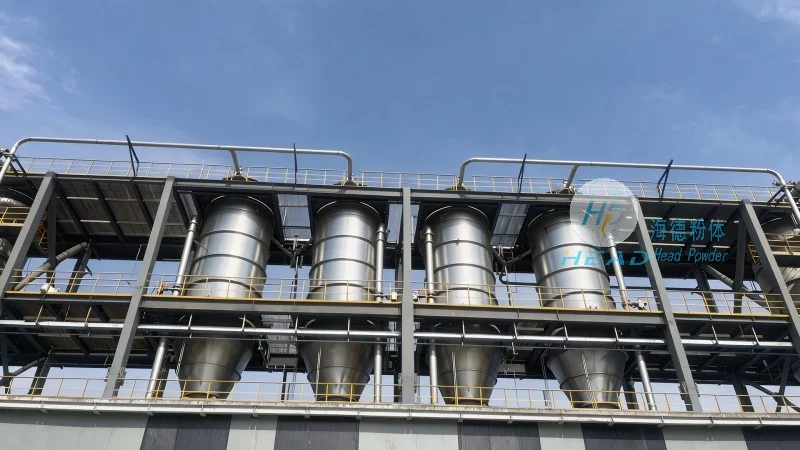
Advantages of Implementing Dust-Free Conveying Systems
Adopting dust-free automatic material conveying lines offers numerous advantages for industrial operations. Firstly, these systems significantly improve operational efficiency by automating the material handling process, reducing the need for manual labor and minimizing human error. The continuous or semi-continuous operation of the conveying lines ensures a steady flow of materials, which helps to maintain production throughput and reduce bottlenecks. Secondly, the dust containment features of these systems enhance workplace safety by minimizing exposure to airborne particles, which can cause respiratory issues or other health problems. This is particularly important in industries where workers are regularly exposed to dust or other hazardous materials. Thirdly, the use of advanced control technologies and sensors allows for real-time monitoring and control of the conveying process, enabling quick detection and resolution of any issues that may arise. This helps to prevent production delays and reduces maintenance costs by identifying potential problems before they become major failures. Additionally, the sealed and enclosed design of the conveying lines reduces the risk of material contamination, which is critical in industries where product quality and purity are paramount. This not only improves product quality but also helps to maintain customer trust and compliance with regulatory standards. Finally, the long-term cost savings associated with these systems are significant, as they reduce the need for frequent cleaning, maintenance, and replacement of equipment due to dust-related damage.