

Principle and Working Scene Characteristics of Ceramic Powder Material Conveying Lines
HeadPowder, a leading enterprise in the field of material handling solutions, specializes in the design and manufacturing of advanced ceramic powder conveying systems. Based in Shandong, China, the company has established itself as a trusted provider of high-efficiency and reliable equipment for the ceramic industry. This article delves into the fundamental principles behind ceramic powder material conveying lines and explores the key characteristics of their working scenarios, offering insights into how these systems enhance operational efficiency and product quality in industrial settings.
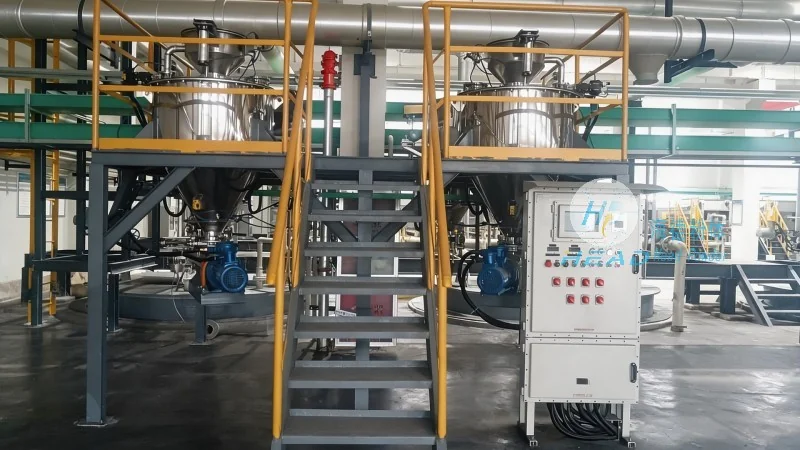
Understanding the Core Principles of Ceramic Powder Conveying Lines
Ceramic powder material conveying lines are engineered to transport fine powders, such as those used in ceramics, refractories, and advanced materials, with precision and minimal loss. The core principle revolves around the use of specialized equipment that can handle the unique properties of ceramic powders, including their fine particle size, low bulk density, and potential for static electricity. These systems typically incorporate components like feeders, conveyors, and control mechanisms to ensure a smooth and controlled flow of material. The design of the conveying line is tailored to the specific characteristics of the ceramic powder, considering factors like particle size distribution, moisture content, and the risk of dust generation. By leveraging technologies such as pneumatic conveying, screw conveyors, or belt conveyors, the system can effectively move the powder from one location to another while maintaining its integrity and preventing contamination. The principle of operation often involves creating a controlled environment, such as an enclosed system with proper ventilation, to manage dust and ensure safety. This approach not only enhances the efficiency of material transport but also contributes to a cleaner and safer working environment.
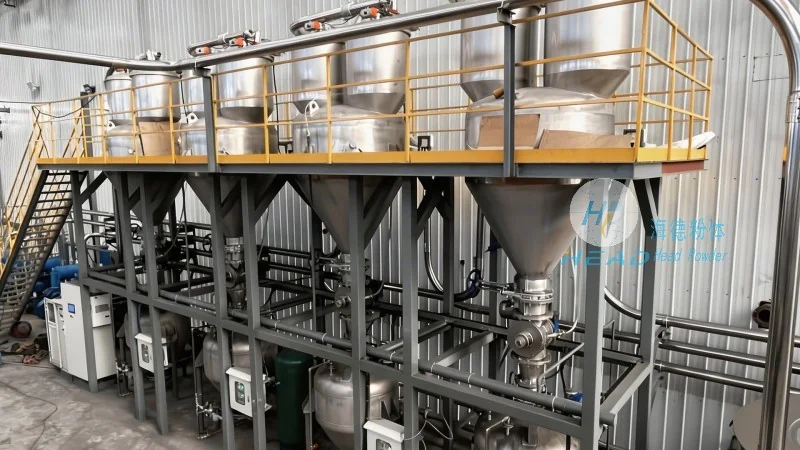
Key Working Scene Characteristics of Ceramic Powder Conveying Lines
The working scene characteristics of ceramic powder conveying lines are influenced by several factors that define their application in industrial processes. One of the primary characteristics is the need for high precision and low material loss, as ceramic powders are often expensive and critical to the final product quality. The conveying system must be capable of handling small quantities with accuracy, ensuring that the material is delivered to the next stage of production without degradation. Another key characteristic is the requirement for dust control and environmental safety. Ceramic powders can generate significant dust, which poses health risks and environmental concerns. Therefore, the conveying line is typically designed with enclosed systems, filtration, and proper ventilation to minimize dust emissions and maintain compliance with safety regulations. The working scene also includes considerations for space efficiency and integration with existing production lines. Many ceramic manufacturing facilities have limited space, and the conveying line must be compact and adaptable to fit within the available footprint. This may involve modular designs or flexible components that can be adjusted to accommodate different production layouts. Additionally, the system must be durable and resistant to the abrasive nature of ceramic powders, which can cause wear and tear on equipment over time. The use of high-quality materials and robust construction ensures that the conveying line can withstand the harsh conditions of ceramic production and maintain long-term performance.
Application Scenarios and Operational Benefits
Ceramic powder conveying lines are widely used in various industrial applications, including the production of ceramic tiles, sanitary ware, refractory materials, and advanced ceramic components. In the production of ceramic tiles, for example, the conveying line is used to transport raw ceramic powders from storage silos to mixing and molding machines. This ensures a consistent supply of material, which is crucial for maintaining uniform product quality. In the manufacturing of refractory materials, the system handles high-temperature resistant powders, which require specialized equipment to prevent degradation during transport. The operational benefits of these conveying lines extend beyond material transport efficiency. By reducing manual handling and minimizing material loss, the system improves overall production throughput and reduces costs. The enclosed design also contributes to a safer working environment, reducing the risk of dust-related health issues and improving workplace safety. Furthermore, the ability to integrate with automated production lines enhances the overall efficiency of the manufacturing process, allowing for better control and monitoring of material flow. The working scene characteristics, such as precision, dust control, and space efficiency, make ceramic powder conveying lines an essential component in modern ceramic production, supporting the industry's demand for high-quality, consistent products.
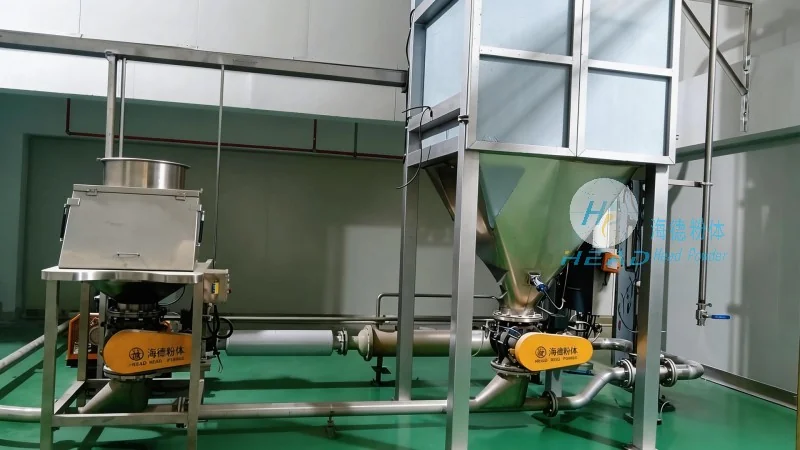
Conclusion and Company Overview
HeadPowder Engineering Co., Ltd., based in Shandong, China, continues to innovate in the design and implementation of ceramic powder material conveying lines. By adhering to the core principles of precision, efficiency, and safety, the company provides solutions that meet the evolving needs of the ceramic industry. The working scene characteristics of these systems, including their ability to handle fine powders, control dust, and integrate with production lines, make them indispensable in modern manufacturing. As the industry advances, the demand for advanced material handling solutions will only increase, and companies like HeadPowder are positioned to meet these challenges with cutting-edge technology and expertise. The principles and characteristics discussed in this article highlight the importance of specialized conveying systems in enhancing operational performance and product quality in the ceramic sector, underscoring the role of companies like HeadPowder in driving industrial progress.