

[Principle and Working Scene Characteristics of Expanded Clay Aggregate Conveying Lines]
Expanded clay aggregate, commonly known as expanded clay, is a lightweight, porous material widely used in construction, horticulture, and industrial applications. The efficient transportation of this material from production sites to end-use locations is crucial for optimizing workflow and reducing operational costs. This article explores the fundamental principles behind expanded clay aggregate conveying lines and highlights the key characteristics of their working environments, providing insights into how these systems enhance material handling efficiency.
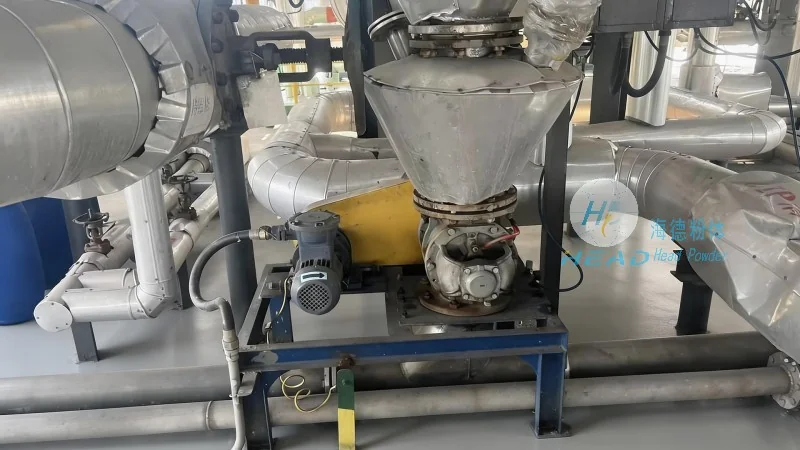
Understanding the Core Principle of Expanded Clay Aggregate Conveying Lines
The principle of expanded clay aggregate conveying lines revolves around the mechanical or pneumatic transfer of bulk materials over long distances. These systems are engineered to handle the unique physical properties of expanded clay, such as its lightweight nature, irregular particle size, and tendency to flow freely. The primary goal is to ensure a continuous, reliable, and low-maintenance transfer of material from the point of origin to the processing or storage area. Key components typically include feed hoppers, conveyor belts or pipes, drive mechanisms, and control systems that regulate the flow rate and direction of the material. The design of these lines is tailored to minimize material degradation, reduce energy consumption, and maximize throughput, making them essential for industrial operations that rely on consistent material supply.
Key Working Scene Characteristics of Expanded Clay Aggregate Conveying Systems
The working environment of expanded clay aggregate conveying lines varies significantly based on the application and industry. In construction material manufacturing, for instance, these systems are often integrated into large-scale production facilities where expanded clay is produced from raw clay and then conveyed to mixing, packaging, or storage areas. The working scene here is characterized by high-volume throughput, continuous operation, and the need for robust equipment capable of handling abrasive materials. In horticulture and landscaping, the conveying lines may be part of smaller-scale operations, focusing on delivering expanded clay to nurseries, garden centers, or construction sites for soil amendment and drainage improvement. These applications often require more flexible and compact systems that can adapt to varying material volumes and site conditions.
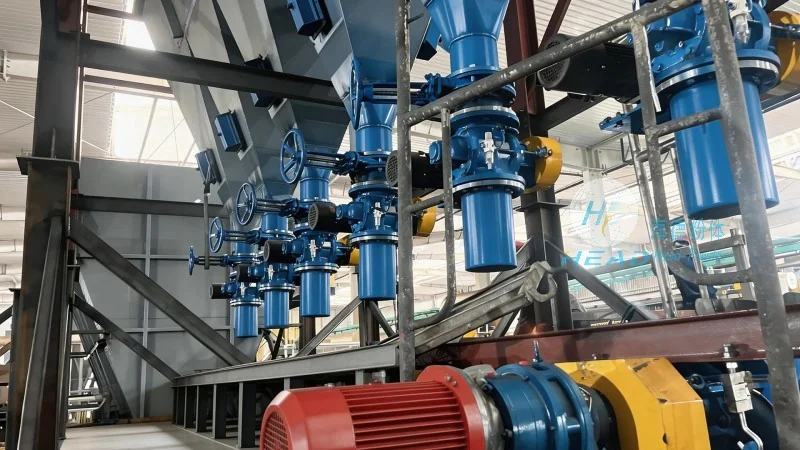
Technical Advantages and Operational Efficiency in Conveying Lines
Expanded clay aggregate conveying lines offer several technical advantages that make them superior to traditional material handling methods. One of the most significant benefits is the reduction in labor costs and manual handling, as automated systems can transport large quantities of material with minimal human intervention. The systems also minimize material spillage and contamination, which is critical for maintaining product quality and safety standards. Additionally, modern conveying lines incorporate advanced control technologies, such as variable speed drives and sensors, that allow for real-time monitoring and adjustment of the conveying process. This ensures optimal performance, reduces downtime, and extends the lifespan of the equipment. The energy efficiency of these systems is another key characteristic, as they are designed to operate with lower power consumption compared to older, less efficient methods. This not only lowers operational costs but also aligns with sustainability goals by reducing the carbon footprint of material handling operations.
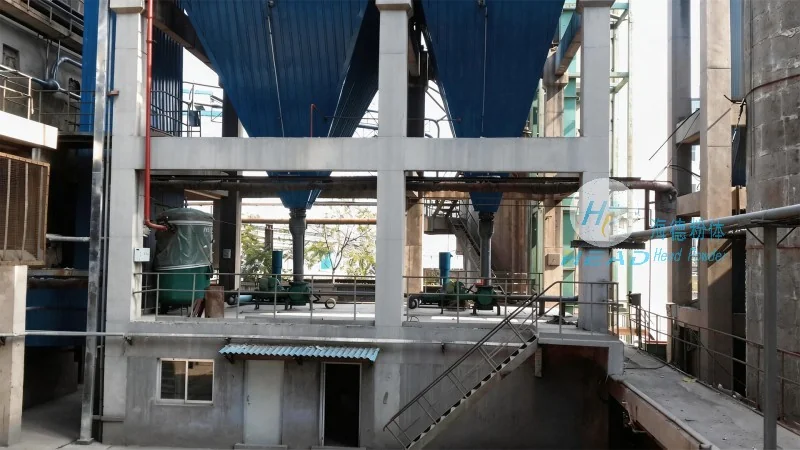
Application-Specific Considerations for Different Working Scenarios
When designing and implementing expanded clay aggregate conveying lines, several factors must be considered to ensure optimal performance in specific working environments. The first is the material's physical properties, including its density, moisture content, and particle size distribution. These characteristics influence the choice of conveyor type—such as belt conveyors for dry, free-flowing materials or pneumatic conveyors for more dusty or fine particles. The second consideration is the distance and elevation changes between the feed and discharge points, as these affect the required power and system design. For example, a long horizontal run may require a belt conveyor with a drive system that can handle the load, while a vertical lift may necessitate a vertical conveyor or a pneumatic system with appropriate pressure control. The third factor is the ambient conditions, such as temperature and humidity, which can impact the material's behavior and the equipment's performance. In outdoor or industrial settings, the conveying line may need to be protected from weather elements or dust, using enclosures or weatherproofing measures to maintain operational reliability.
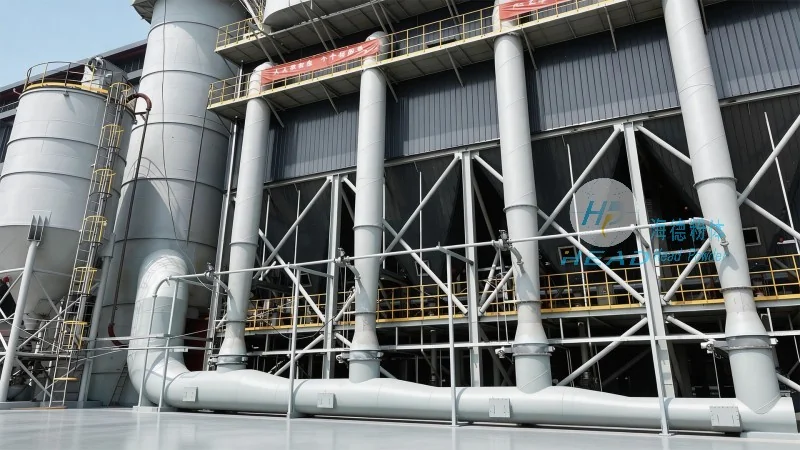
Maintenance and Longevity of Expanded Clay Aggregate Conveying Systems
Proper maintenance is essential to ensure the longevity and efficiency of expanded clay aggregate conveying lines. Regular inspection and servicing of key components, such as drive motors, belts, and bearings, can prevent unexpected breakdowns and extend the system's lifespan. For belt conveyors, routine cleaning and tension adjustments are necessary to maintain optimal performance and prevent material buildup or slippage. Pneumatic systems require regular checks of air pressure, filter systems, and pipe integrity to avoid leaks or blockages. Additionally, monitoring the material flow and system performance through sensors and control panels helps identify potential issues early, allowing for timely maintenance and reducing downtime. The use of high-quality, durable materials in the construction of conveying lines, such as corrosion-resistant metals and wear-resistant components, further enhances their longevity and reduces the need for frequent repairs. By adhering to a proactive maintenance schedule and using reliable equipment, operators can ensure that their expanded clay aggregate conveying lines continue to operate efficiently and reliably over the long term.
Conclusion: Enhancing Material Handling with Advanced Conveying Solutions
Expanded clay aggregate conveying lines are critical components in the efficient handling of this versatile material. By understanding the fundamental principles behind these systems and recognizing the unique characteristics of their working environments, manufacturers and operators can optimize their material handling processes. The technical advantages of modern conveying lines, including automation, energy efficiency, and reduced labor costs, make them a valuable investment for any operation that relies on consistent and reliable material supply. Whether used in large-scale construction material production or smaller-scale horticultural applications, these systems play a vital role in improving workflow, reducing costs, and ensuring the quality of expanded clay aggregate products. As technology continues to advance, the design and functionality of conveying lines will likely evolve to meet the growing demands of various industries, further enhancing the efficiency and sustainability of material handling operations.