

Principle and Working Scene Characteristics of Iron Oxide Material Conveying Lines
Iron oxide material conveying lines represent a vital technology in industrial material handling, specifically designed to efficiently transport iron oxide powders and granules through processing stages. These systems are engineered to address the distinct characteristics of iron oxide, such as its density, flow behavior, and potential for dust generation, ensuring safe, reliable, and efficient material movement in diverse industrial applications.
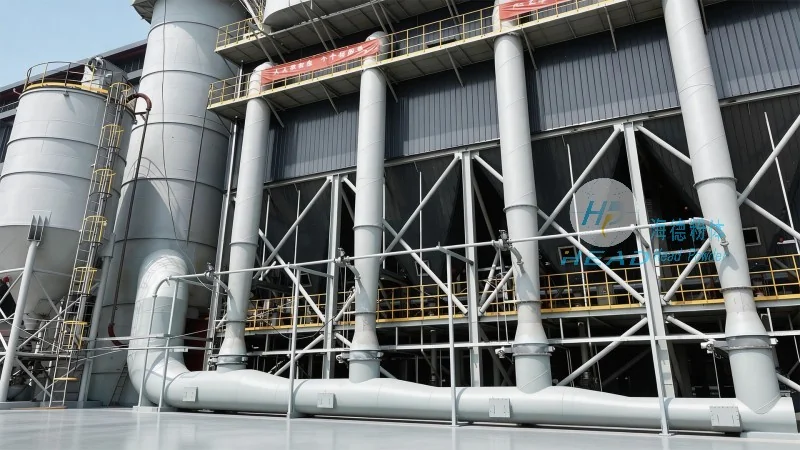
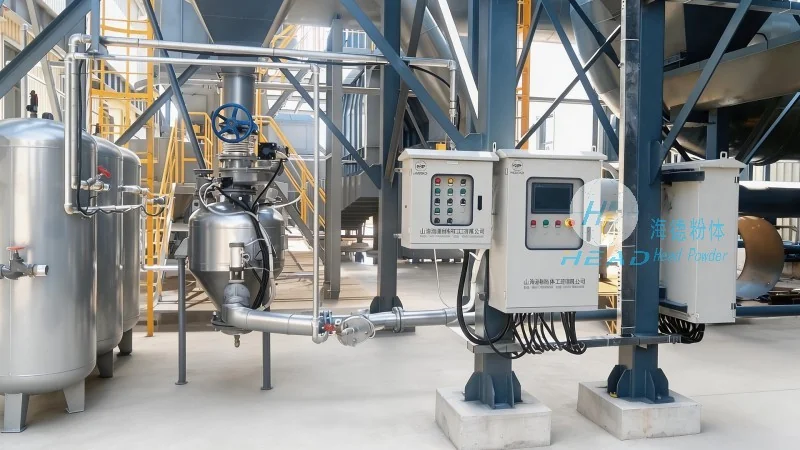
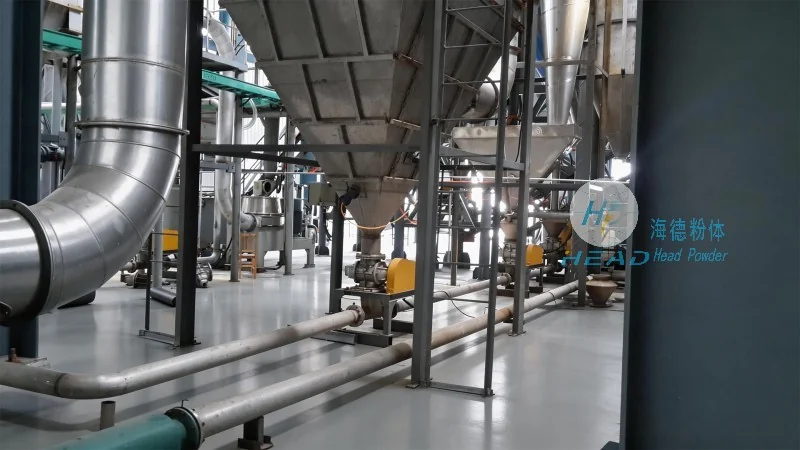
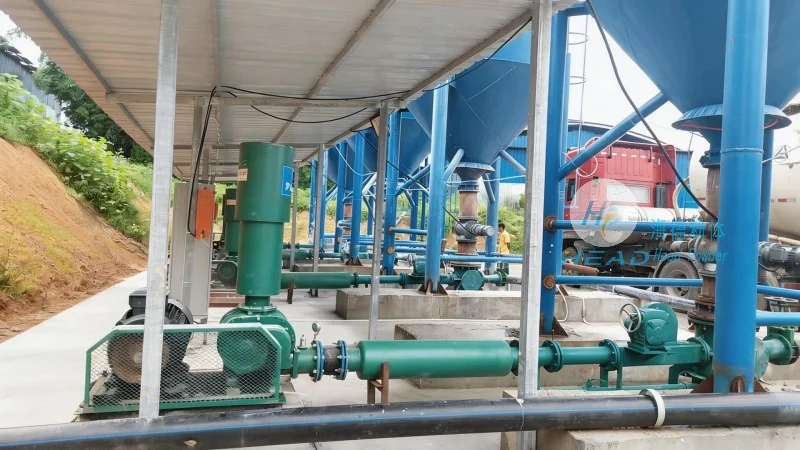
Principle of Iron Oxide Material Conveying Lines
The fundamental principle of iron oxide material conveying lines revolves around the application of mechanical or pneumatic forces to move material through a defined pathway. Mechanical systems commonly utilize components like belt conveyors, screw conveyors, or bucket elevators, which leverage gravity and mechanical energy to transport iron oxide particles. Pneumatic systems, alternatively, employ compressed air to generate a flow of air and material within a pipeline, often referred to as a pneumatic conveyor. Both approaches are engineered to preserve the integrity of the iron oxide material, minimizing degradation, contamination, or loss during transport. The selection of a system type depends on factors like material properties, production scale, and environmental requirements, with mechanical systems typically preferred for bulk material handling and pneumatic systems for more precise or dusty applications.
Working Scene Characteristics of Iron Oxide Material Conveying Lines
The working scene characteristics of iron oxide material conveying lines are tailored to the specific operational demands of industrial environments where iron oxide is processed. These characteristics include several key aspects: