

Principle and Working Scene Characteristics of Ammonia Fertilizer Material Conveying Lines
Ammonia fertilizer material conveying lines are critical components in the fertilizer production and processing industry, designed to efficiently transport bulk ammonia-based fertilizers from storage to processing units or for distribution. The core principle of these systems revolves around the integration of specialized equipment, such as screw conveyors, pneumatic conveyors, and bucket elevators, to handle the unique physical and chemical properties of ammonia fertilizers. These materials often exhibit high moisture content, corrosive nature, and varying particle sizes, requiring conveyors that can maintain product integrity while ensuring safe and reliable operation.
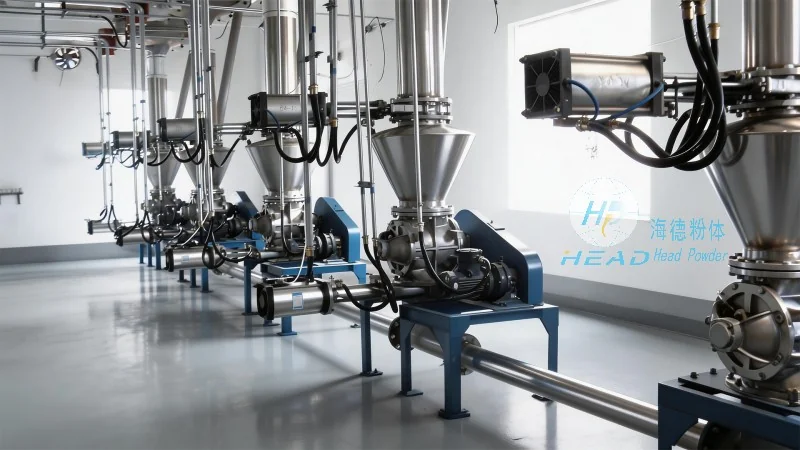
HeadPowder, a leading engineering company based in Shandong, China, specializes in the design, manufacturing, and installation of ammonia fertilizer material conveying lines. With a strong focus on industrial efficiency and safety, HeadPowder's solutions are tailored to meet the specific demands of fertilizer manufacturers, ensuring optimal performance in diverse operational environments.
Key Working Scene Characteristics of Ammonia Fertilizer Conveying Systems
Ammonia fertilizer material conveying lines operate in various industrial settings, each with distinct characteristics that influence system design and functionality. The primary working scene characteristics include:
- High-Volume Bulk Handling: In large-scale fertilizer production facilities, conveying lines must handle massive quantities of ammonia-based materials, often exceeding 100 tons per hour. This requires robust, high-capacity equipment capable of continuous operation without interruption.
- Corrosive Material Handling: Ammonia fertilizers are chemically active and can be corrosive to certain materials. Conveying systems are constructed using corrosion-resistant materials like stainless steel or specialized coatings to prevent degradation and ensure long-term durability.
- Temperature and Moisture Control: The handling of ammonia fertilizers often involves maintaining specific temperature and moisture levels to prevent caking or clumping. Advanced conveying systems incorporate temperature control mechanisms and moisture management features to maintain product quality.
- Space Constraints and Layout Flexibility: Industrial facilities have varying spatial constraints, and conveying lines must be designed to fit within existing layouts or be adaptable to new installations. Modular and flexible systems allow for easy integration and reconfiguration as production needs evolve.
Application Scenarios in Fertilizer Production
Ammonia fertilizer material conveying lines are widely used in multiple stages of fertilizer production, including raw material transport, intermediate processing, and final product packaging. For instance, in the production of urea or ammonium nitrate, conveying systems transport raw ammonia, carbon dioxide, and other reactants to reactors. The efficiency of these lines directly impacts the overall production throughput and cost-effectiveness of the fertilizer manufacturing process.
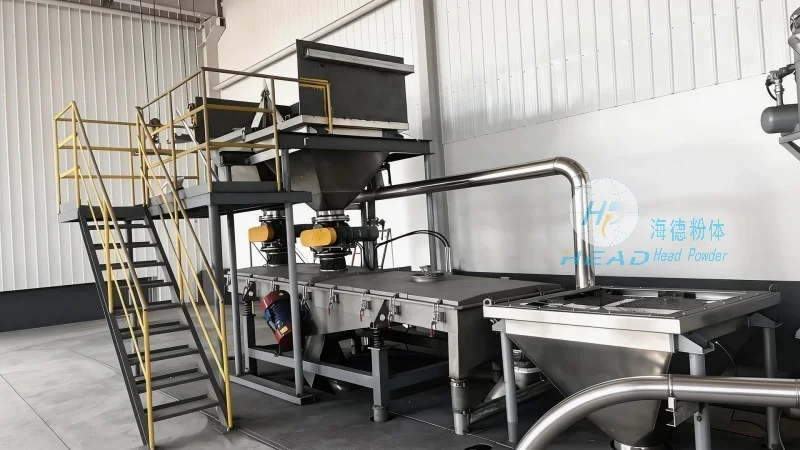
In agricultural fertilizer distribution centers, conveying lines are used to move finished ammonia-based products from storage silos to loading docks or packaging lines. This ensures smooth logistics and timely delivery to farms and agricultural cooperatives, supporting efficient crop management and yield optimization.
Principle of Operation for Ammonia Fertilizer Conveying Systems
The operation of ammonia fertilizer material conveying lines is based on mechanical or pneumatic forces to move bulk materials. Screw conveyors, for example, use a rotating helical screw to push materials forward, suitable for horizontal or slight incline transport. Pneumatic conveyors utilize air pressure to transport materials through a pipeline, ideal for vertical or long-distance transport. Bucket elevators, on the other hand, use a series of buckets attached to a chain or belt to lift materials vertically, providing high lift capacity and reliability.
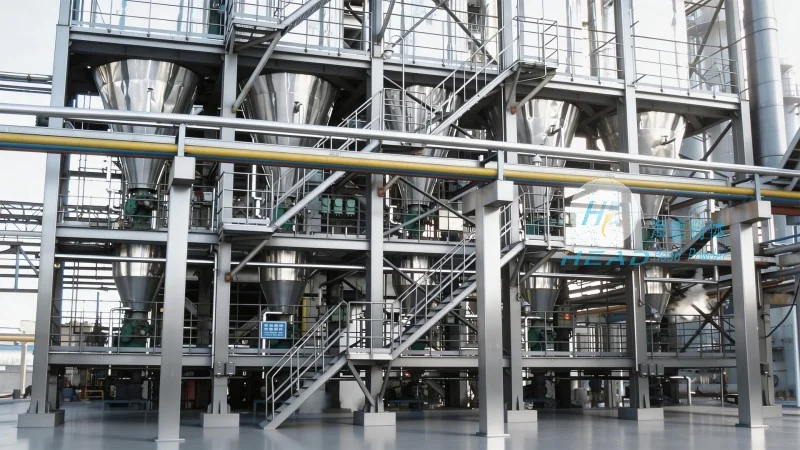
Each type of conveyor is selected based on the specific characteristics of the ammonia fertilizer, such as particle size, density, and flowability. The design of the conveying line also considers factors like material flow rate, required lift height, and space availability to ensure optimal performance and minimal energy consumption.
HeadPowder's Expertise in Ammonia Fertilizer Conveying Solutions
Shandong HeadPowder Engineering Co., Ltd. leverages decades of experience in the fertilizer industry to provide comprehensive ammonia fertilizer material conveying line solutions. The company's engineering team conducts thorough site assessments and process analyses to design customized systems that meet the unique requirements of each client. From initial concept and design to installation and commissioning, HeadPowder ensures that every aspect of the conveying line is optimized for efficiency, safety, and durability.
HeadPowder's commitment to quality is evident in its adherence to international standards and rigorous testing protocols. The company's products are manufactured using high-quality materials and advanced manufacturing techniques, ensuring long service life and minimal maintenance requirements. Additionally, HeadPowder offers comprehensive after-sales support, including maintenance services, spare parts supply, and technical assistance, to ensure the continuous and reliable operation of conveying systems.