

Principle and Working Scene Characteristics of White Carbon Black Material Conveying Lines
White carbon black, also known as silica, is a crucial filler material widely used in industries such as rubber, plastics, and coatings. The efficient and reliable transportation of white carbon black from production sites to processing facilities is essential for maintaining production efficiency and product quality. This article explores the principles and working scene characteristics of white carbon black material conveying lines, highlighting the technical aspects and practical applications in industrial settings.
Understanding the Core Principle of White Carbon Black Conveying Systems
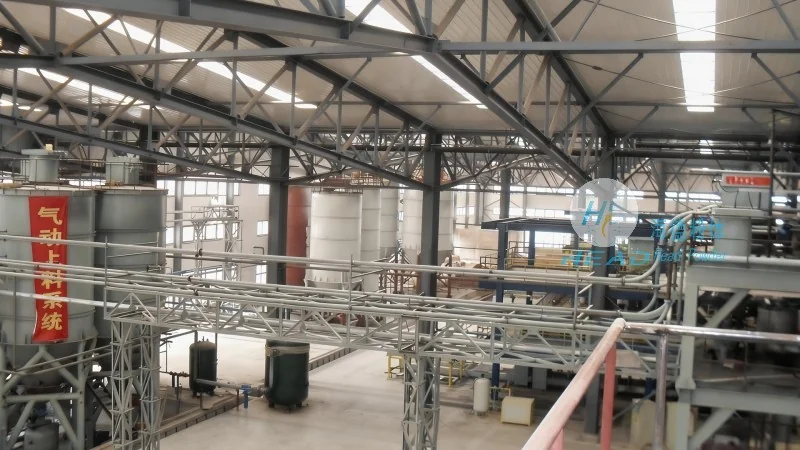
At the heart of white carbon black material conveying lines lies the need to transport fine powders over varying distances while ensuring minimal material loss and maintaining product integrity. The primary principle involves the use of specialized equipment designed to handle the unique properties of white carbon black, such as its high fineness, low bulk density, and tendency to agglomerate. Conveying systems typically employ either mechanical or pneumatic (air-assisted) methods, each with distinct advantages depending on the specific application requirements.
Mechanical conveying systems, including screw conveyors, belt conveyors, and bucket elevators, are commonly used for short to medium-distance transport. These systems rely on mechanical force to move the material through a closed or open channel. For instance, screw conveyors are effective for horizontal or slight incline transport, while bucket elevators are ideal for vertical lifting. However, these systems may face challenges with fine powders, as they can lead to material buildup and blockages, especially when dealing with white carbon black's fine particle size.
Pneumatic Conveying: The Preferred Solution for Fine Powders
Pneumatic conveying systems, on the other hand, have become the preferred method for transporting white carbon black due to their ability to handle fine powders efficiently and with minimal product degradation. These systems use compressed air to create a flow that propels the material through a pipeline. There are two main types of pneumatic conveying: dilute phase and dense phase. Dilute phase systems are suitable for long-distance transport and involve a high air-to-material ratio, while dense phase systems use a lower air-to-material ratio, allowing for more controlled and gentle material movement.
The choice between dilute and dense phase pneumatic conveying depends on factors such as the distance to be covered, the required material flow rate, and the need to minimize pressure drops. For white carbon black applications, dense phase systems are often preferred as they provide better control over the material's velocity and reduce the risk of particle degradation. This is particularly important when transporting high-quality white carbon black, as any damage to the particles can affect the final product's performance.
Key Working Scene Characteristics of White Carbon Black Conveying Lines
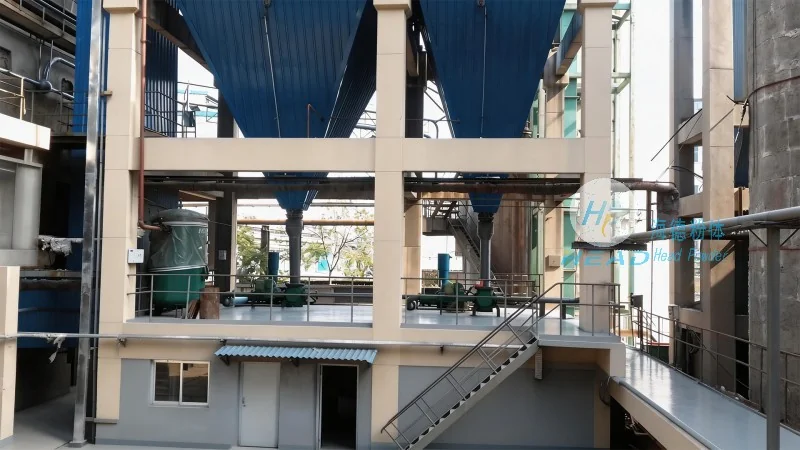
The working scene characteristics of white carbon black material conveying lines are shaped by the specific industrial environment and the nature of the material being handled. Several key aspects define how these systems operate in real-world settings:
1. Material Handling Efficiency and Downtime Reduction
Efficient white carbon black conveying systems are designed to minimize downtime and maximize material throughput. This is achieved through features such as self-cleaning mechanisms, which prevent material buildup in the conveying lines, and advanced control systems that monitor flow rates and detect blockages in real time. For example, in a rubber manufacturing plant, a reliable conveying system ensures a steady supply of white carbon black to the mixing units, preventing production delays and maintaining consistent product quality.
2. Environmental and Safety Considerations
White carbon black is a fine powder that can create dust hazards if not handled properly. Conveying systems must incorporate dust collection and filtration systems to ensure compliance with environmental regulations and maintain a safe working environment. Additionally, the design of the conveying lines, including the use of sealed pipelines and explosion-proof components, is critical in preventing dust explosions, which are a significant risk in powder handling operations.
3. Integration with Production Processes
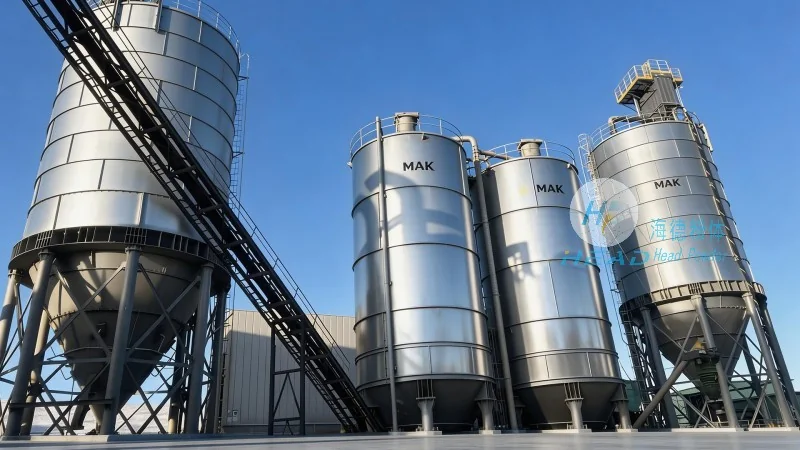
White carbon black conveying lines are often integrated with the broader production process, working in tandem with other equipment such as mixers, extruders, and storage silos. The efficiency of the conveying system directly impacts the overall production line's performance. For instance, a well-designed conveying system can ensure that white carbon black is delivered to the mixing stage at the correct time and in the right quantity, optimizing the mixing process and reducing waste.
4. Customization for Specific Applications
Given the diverse applications of white carbon black, conveying systems are often customized to meet specific requirements. This includes adjustments to the conveying capacity, the type of material handling equipment, and the control systems. For example, in the production of high-performance tires, the conveying system may need to handle larger quantities of white carbon black and maintain precise control over the material's temperature to prevent premature curing.
Case Study: Application in Rubber Manufacturing
Consider a rubber manufacturing plant that produces automotive tires. The plant requires a consistent supply of white carbon black to the mixing stage, where it is combined with rubber compounds. A pneumatic conveying system is installed to transport the white carbon black from storage silos to the mixing units. The system is designed with a dense phase conveying method to ensure gentle handling of the fine powder, minimizing particle degradation. The control system monitors the flow rate and pressure, alerting operators to any potential issues such as blockages or pressure drops. This integration has resulted in improved production efficiency, reduced downtime, and consistent product quality, demonstrating the effectiveness of well-designed white carbon black conveying lines.
Conclusion
In conclusion, white carbon black material conveying lines are critical components in industries that rely on this essential filler material. The principles behind these systems, including the use of specialized conveying methods and advanced control technologies, ensure efficient and safe transportation of white carbon black. The working scene characteristics, such as material handling efficiency, environmental safety, and integration with production processes, are tailored to meet the specific needs of different industrial applications. As a leading provider in this field, Shandong HeadPowder Engineering Co., Ltd., based in Shandong, China, specializes in designing and manufacturing customized conveying solutions that meet the unique requirements of white carbon black handling in various industrial settings.