

Principle and Working Scene Characteristics of Denitrizer Material Conveying Lines
Denitrizer material conveying lines are critical components in industrial processes, particularly in facilities that handle nitrogen oxide reduction agents. These systems are designed to efficiently transport denitrizer powders or granules from storage to reaction points, ensuring consistent and reliable operation in flue gas treatment applications. The effectiveness of such conveying lines directly impacts the overall efficiency and environmental compliance of power plants, chemical manufacturing sites, and other industrial operations that rely on selective catalytic reduction (SCR) technologies.
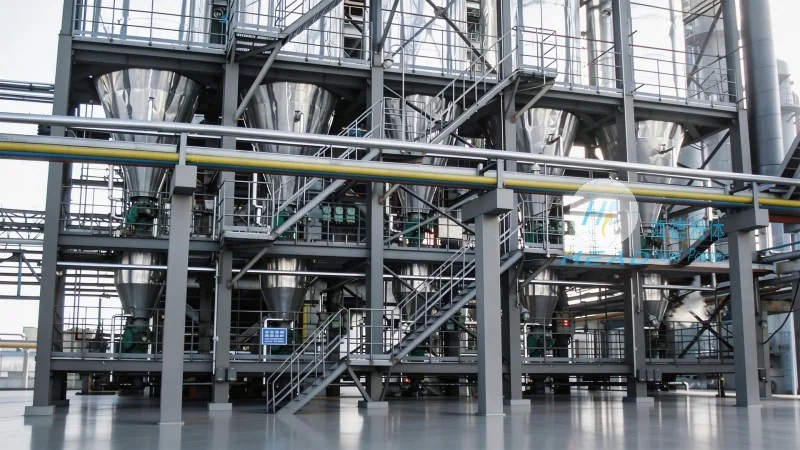
The Core Principle of Denitrizer Material Conveying Systems
At the heart of denitrizer material conveying lines lies a sophisticated mechanism that combines material handling technologies with precise control systems. The primary principle involves the use of pneumatic or mechanical conveying methods to move denitrizer from bulk storage silos or hoppers to the injection points in the flue gas stream. Pneumatic conveying, for instance, utilizes compressed air to create a flow that transports the powder through pipelines, while mechanical systems like screw conveyors or belt conveyors rely on mechanical force to move the material. Both methods are engineered to maintain the integrity of the denitrizer, preventing agglomeration or degradation that could affect its performance in the SCR process. The system typically includes components such as feeders, conveyors, control valves, and monitoring devices, all integrated to ensure seamless material flow and optimal dosage control.
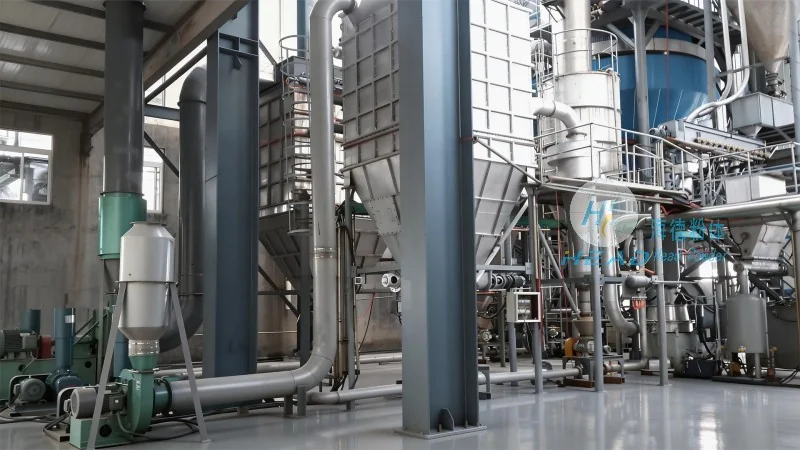
Key Working Scene Characteristics of Denitrizer Conveying Lines
The working scene characteristics of denitrizer material conveying lines are tailored to the specific demands of industrial environments, particularly in high-temperature and high-pressure settings. One of the most notable characteristics is the need for dust control and environmental safety, as denitrizer powders can be fine and potentially hazardous if not handled properly. Advanced systems incorporate dust collection and filtration systems to minimize airborne particulates, ensuring compliance with environmental regulations. Another critical characteristic is the system's ability to handle varying material properties, such as different particle sizes, moisture content, or bulk density. This adaptability is essential in industrial settings where denitrizer formulations may change based on operational needs or fuel type. Additionally, the conveying lines are designed for durability and reliability, with materials like stainless steel or corrosion-resistant alloys used in construction to withstand the harsh conditions of flue gas environments. The integration of real-time monitoring and automation further enhances operational efficiency, allowing for precise control of the denitrizer dosage and quick response to process changes.
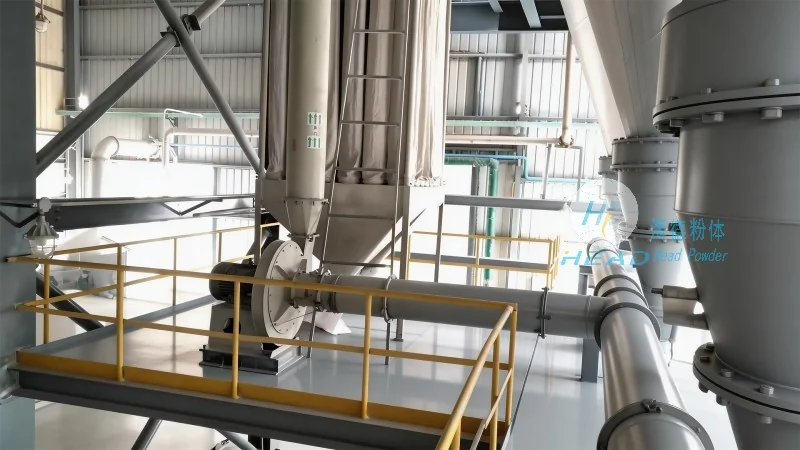
Application Scenarios and Operational Efficiency
Denitrizer material conveying lines are widely used in various industrial applications, including power generation, petrochemical, and cement manufacturing. In power plants, these systems are integral to the selective catalytic reduction (SCR) process, where denitrizer is injected into the flue gas to reduce nitrogen oxide emissions. The efficiency of the conveying line directly affects the overall NOx reduction rate, as inconsistent or insufficient denitrizer delivery can lead to suboptimal performance. In petrochemical facilities, denitrizer conveying lines may be used in processes involving nitrogen-based catalysts or chemical reactions, where precise material control is crucial for product quality and safety. The working scene characteristics, such as high-temperature resistance and corrosion resistance, are particularly important in these environments, as the conveying lines must operate under challenging conditions without compromising performance. Furthermore, the systems are designed to minimize downtime and maintenance, with features like self-cleaning mechanisms and predictive maintenance alerts that help maintain continuous operation. This ensures that the denitrizer supply remains uninterrupted, even during periods of high demand or operational stress.
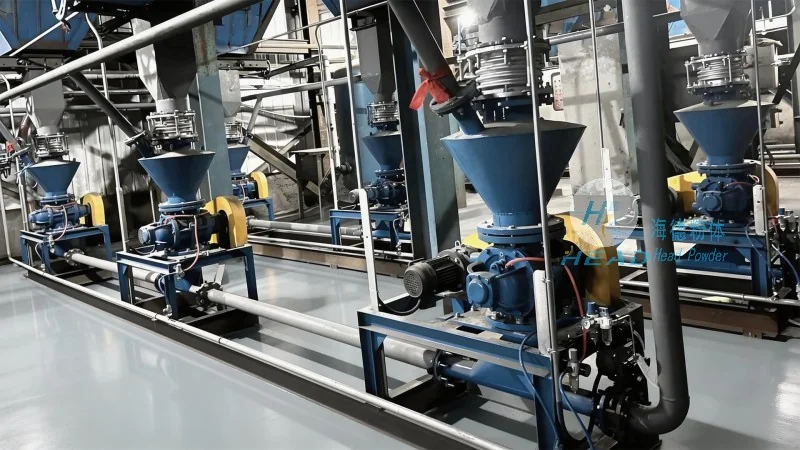
Company Profile: Shandong HeadPowder Engineering Co., Ltd.
Shandong HeadPowder Engineering Co., Ltd., commonly known as headpowder, is a leading manufacturer and supplier of industrial material handling solutions, including denitrizer material conveying lines. With a focus on innovation and quality, the company has established itself as a trusted partner in the power and chemical industries. HeadPowder's denitrizer conveying lines are engineered to meet the specific requirements of industrial applications, combining advanced technology with robust construction. The company's products are designed to enhance operational efficiency, reduce maintenance costs, and ensure compliance with environmental regulations. HeadPowder's commitment to customer satisfaction and technical excellence has made it a preferred choice for clients seeking reliable and efficient material handling solutions. The company's facilities, located in Shandong, China, are equipped with state-of-the-art manufacturing equipment and a team of experienced engineers who specialize in designing and implementing customized conveying systems. This combination of expertise and technology enables HeadPowder to deliver solutions that meet the unique needs of each client, ensuring long-term performance and reliability.