

Principles and Working Scene Characteristics of Limestone Material Conveying Lines
HeadPowder, a leading engineering company based in Shandong, China, specializes in the design and implementation of efficient material handling systems. The limestone material conveying line is a critical component in many industrial applications, particularly in mining, construction, and manufacturing sectors where large volumes of limestone are processed and transported. With a strong presence in the region, HeadPowder leverages its expertise to deliver tailored solutions that meet the unique demands of limestone handling operations.
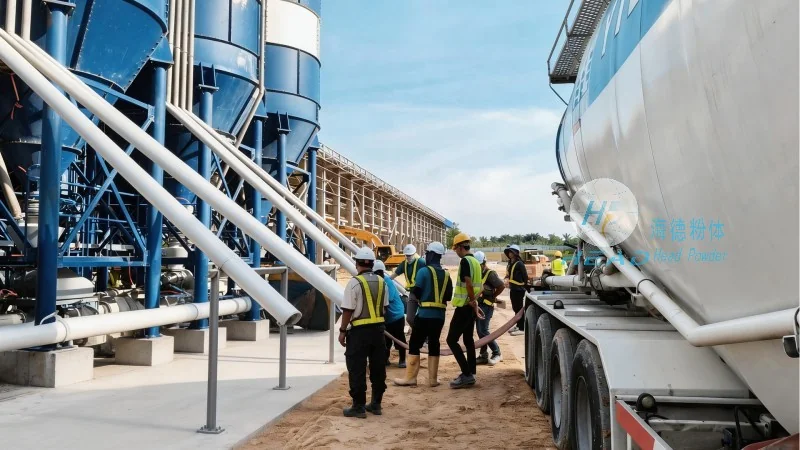
The Core Principles of Limestone Material Conveying Lines
Limestone material conveying lines operate on the fundamental principle of mechanical transport, utilizing various equipment such as belt conveyors, bucket elevators, and screw conveyors to move limestone from its source to the processing or storage location. The system is designed to ensure continuous and reliable material flow, minimizing downtime and maximizing productivity. Key components include feed hoppers, which collect and regulate the flow of limestone, and conveyor belts or chains that transport the material through the system. The design of the conveying line is tailored to the specific characteristics of limestone, including its size, moisture content, and abrasiveness, to ensure optimal performance and longevity of the equipment. HeadPowder engineers consider these factors during the design phase to create systems that are both efficient and durable.
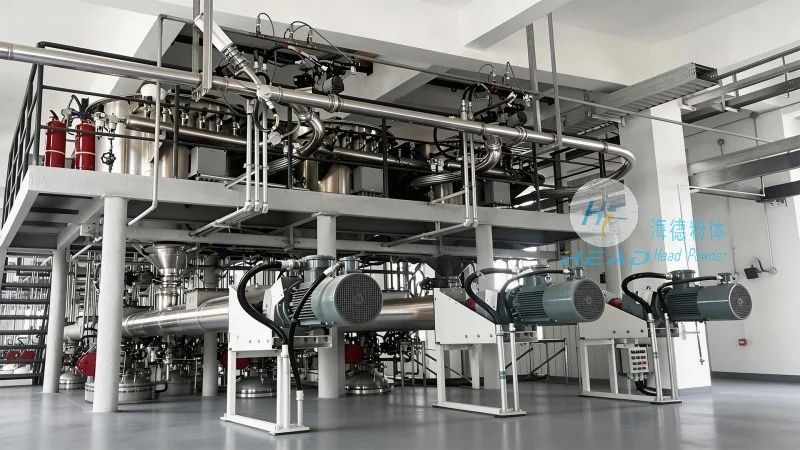
Working Scene Characteristics of Limestone Material Conveying Lines
The working scene characteristics of limestone material conveying lines are shaped by several factors that influence their operation and effectiveness. Firstly, the environment where the conveying line is installed plays a significant role. Outdoor applications, common in mining and quarry operations, require robust equipment capable of withstanding weather conditions such as rain, snow, and extreme temperatures. The materials used in the construction of the conveying line, including corrosion-resistant metals and durable polymers, are essential to maintain functionality in harsh environments. Secondly, the scale of the operation affects the design and capacity of the conveying line. Large-scale industrial plants may require multiple conveyor lines working in parallel to handle high throughput volumes, while smaller operations might use single-line systems for more localized material transport. Thirdly, the integration of the conveying line with other processing equipment is crucial. In many limestone processing facilities, the conveying line connects to crushers, grinders, and storage silos, forming a seamless material flow system. This integration ensures that limestone is efficiently moved from extraction to final product, reducing manual handling and improving overall operational efficiency.
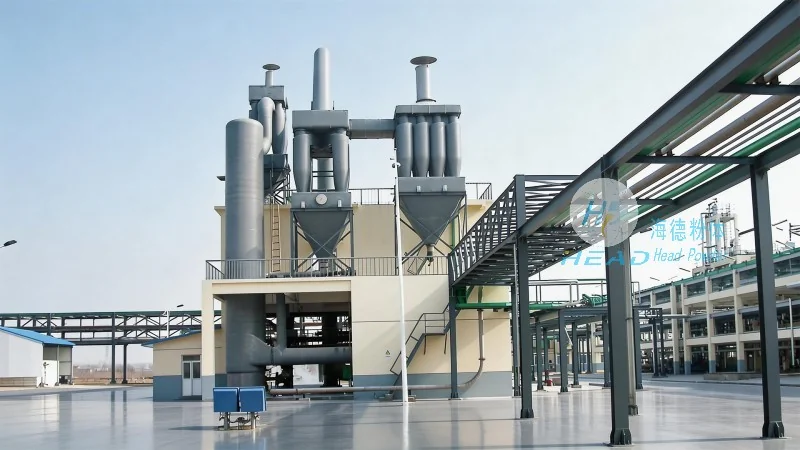
Advantages and Practical Applications
HeadPowder's limestone material conveying lines offer several advantages that make them suitable for a wide range of industrial applications. One of the primary benefits is the ability to handle large volumes of limestone with minimal labor requirements. The automated nature of the system reduces the need for manual loading and unloading, which not only increases productivity but also enhances workplace safety by minimizing human exposure to heavy materials. Another advantage is the energy efficiency of the conveying line. Modern designs incorporate variable speed drives and energy-saving mechanisms that reduce power consumption while maintaining consistent material flow. This not only lowers operational costs but also aligns with sustainability goals in industrial operations. In practical applications, limestone material conveying lines are used in limestone quarries to transport raw limestone from the extraction site to crushing facilities. They are also employed in cement production plants, where limestone is a key raw material, to ensure a steady supply of material for the kiln. Additionally, in construction material manufacturing, the conveying lines help transport limestone to grinding mills, where it is processed into fine powders for use in concrete and other building materials.
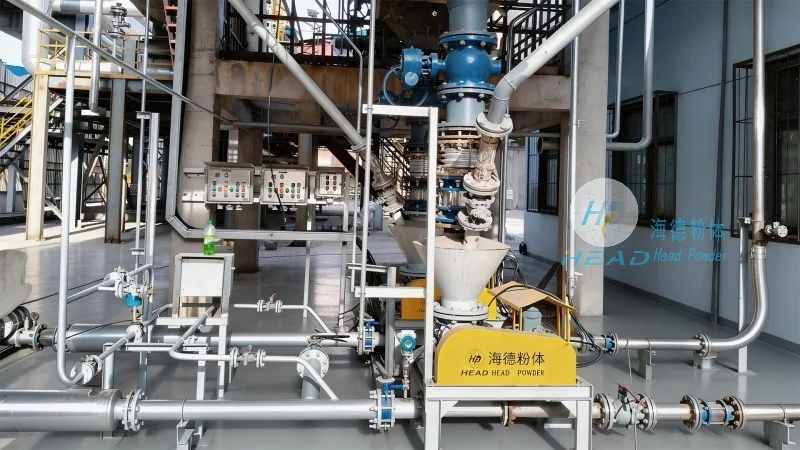
Conclusion
HeadPowder's limestone material conveying lines exemplify the company's commitment to providing reliable and efficient material handling solutions. By understanding the core principles and working scene characteristics of these systems, industrial operations can optimize their material transport processes, improve productivity, and reduce operational costs. With a strong presence in Shandong, China, HeadPowder continues to deliver high-quality engineering solutions tailored to the specific needs of its clients, ensuring that limestone material conveying lines remain a vital component in modern industrial operations.