

Principle and Working Scene Characteristics of Ferrous Oxide Material Conveying Lines
Ferrous oxide, also known as iron(II) oxide, is a critical industrial material utilized across various sectors including manufacturing, mining, and chemical production. The efficient and safe transportation of this material is essential for maintaining operational efficiency and product quality. This article delves into the fundamental principles governing ferrous oxide material conveying lines and explores the distinct working scene characteristics that define their application in industrial environments.
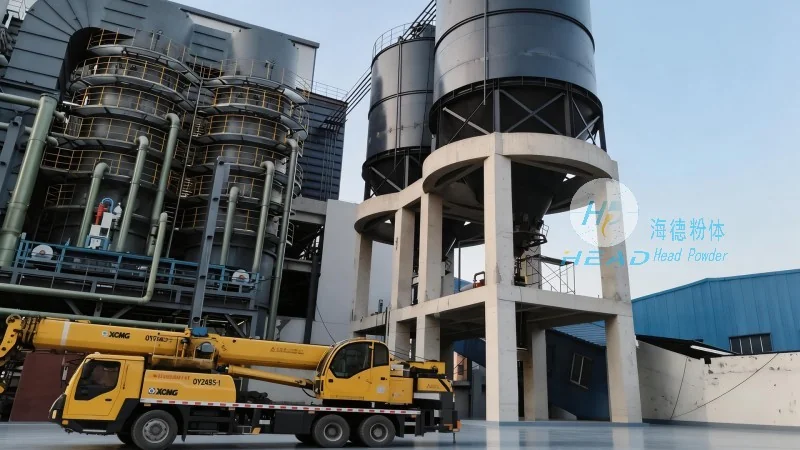
Core Principle of Ferrous Oxide Material Conveying Lines
The underlying principle of ferrous oxide material conveying lines revolves around the mechanical movement of iron(II) oxide from a source to a destination within an industrial facility. These systems typically integrate components such as feeders, conveyors, and control mechanisms engineered to accommodate the material's physical attributes—such as density, particle size distribution, and flow behavior. The conveying process often employs mechanical forces like gravity, vacuum, or positive pressure to propel the material through pipelines or open channels. For ferrous oxide, which can exist as fine powders or granules, selecting the appropriate conveyor type is paramount to prevent clogging and ensure seamless operation. Common technologies include screw conveyors, pneumatic conveying systems, and belt conveyors, each chosen based on the specific handling requirements of iron(II) oxide.
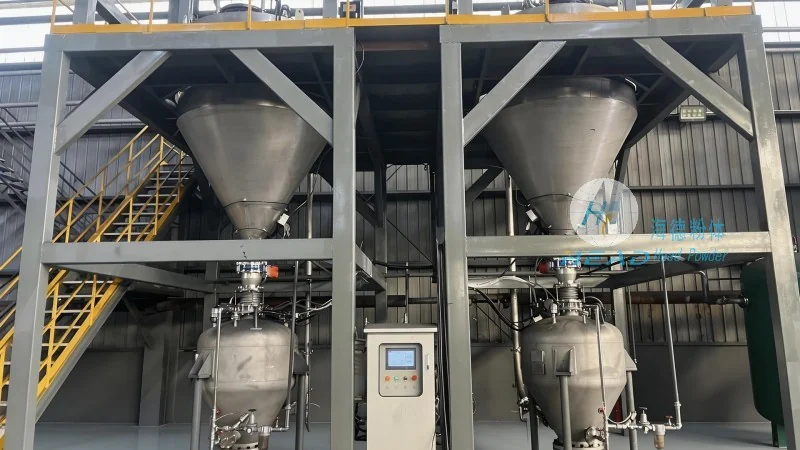
Working Scene Characteristics in Industrial Applications
The working scene characteristics of ferrous oxide material conveying lines vary significantly depending on the industrial context and operational scale. In mining and ore processing facilities, these systems are frequently integrated into larger material handling networks, connecting processing units to storage or downstream stages. The environment in such settings is typically characterized by high dust levels, necessitating dust control measures like enclosed systems and filtration to ensure safety and compliance with environmental regulations. In manufacturing plants, ferrous oxide conveying lines may form part of production lines for chemicals, pigments, or other iron-based products, where the material serves as a raw ingredient. Operational conditions in these environments often involve controlled temperatures and humidity to prevent material degradation or moisture absorption, which could compromise the material's quality and handling properties.
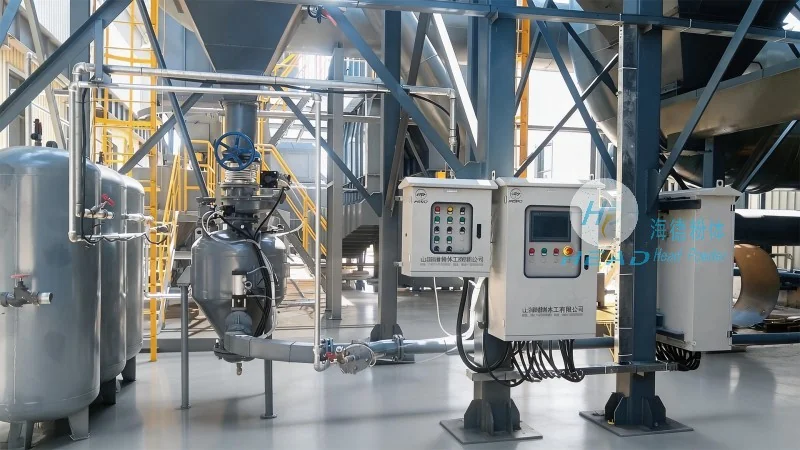
Technical Considerations for System Design
When designing and implementing ferrous oxide material conveying lines, several technical considerations are critical to ensure optimal performance and longevity. One key factor is the material's magnetic properties, as ferrous oxide is strongly attracted by magnets. This can lead to issues such as material buildup on magnetic components or the need for magnetic separation systems to prevent clogging. Engineers must also account for the material's reactivity with other substances, as iron(II) oxide can oxidize or react with acids under certain conditions, potentially affecting the conveyor's components. Additionally, the particle size distribution of ferrous oxide plays a significant role in determining the appropriate conveyor speed and system design. Fine powders may require higher air velocities in pneumatic systems or more gentle handling in screw conveyors to avoid degradation or loss. The selection of materials for conveyor components, such as stainless steel or corrosion-resistant alloys, is essential to withstand the chemical and physical stresses associated with ferrous oxide handling.
Application Scenarios Across Industries
Ferrous oxide material conveying lines are widely utilized in various industrial sectors, each with distinct operational requirements. In the chemical industry, these systems transport iron(II) oxide as a raw material for producing pigments, inks, and other iron-based compounds. The conveying process must maintain the material's purity, as contamination can alter the final product's color and properties. In the mining industry, ferrous oxide is often a byproduct of ore processing and needs to be transported to storage or recycling facilities. The systems in this sector are designed for high throughput and durability, capable of handling large volumes of material over extended periods. In the manufacturing of iron and steel, ferrous oxide is used as a feedstock in processes like sintering or pelletizing, where the conveying line must integrate seamlessly with the production line to ensure a continuous supply of material. The working scene characteristics in these applications include high operational speeds, automated control systems, and real-time monitoring to optimize material flow and minimize downtime.
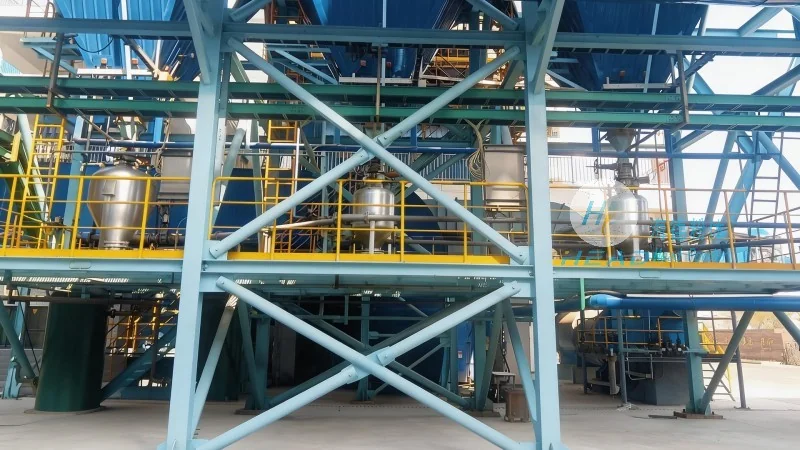
Company Profile: Shandong HeadPowder Engineering Co., Ltd.
Shandong HeadPowder Engineering Co., Ltd., a leading provider of material handling solutions, specializes in designing and manufacturing ferrous oxide material conveying lines tailored to the needs of diverse industries. With a focus on innovation and quality, the company has established itself as a trusted partner for clients seeking reliable and efficient material transportation systems. HeadPowder's expertise lies in understanding the unique challenges of handling iron(II) oxide, including its magnetic properties, flow characteristics, and environmental impact. The company's products are engineered to meet international standards and are backed by comprehensive technical support and after-sales service. Based in Shandong, China, HeadPowder leverages local manufacturing capabilities and industry knowledge to deliver cost-effective and high-performance solutions for ferrous oxide material conveying. The company's commitment to customer satisfaction and technological advancement ensures that its clients receive systems that not only meet current requirements but also adapt to future industrial needs.