

Principle and Working Scene Characteristics of Wheat Starch Material Conveying Lines
Welcome to Shandong HeadPowder Engineering Co., Ltd., a leading provider of advanced material handling solutions. Our company specializes in designing and manufacturing efficient conveying systems tailored for various industrial applications, including the processing of wheat starch. This article explores the fundamental principles behind wheat starch material conveying lines and highlights the key characteristics of their operational environments.
Introduction to Wheat Starch Material Conveying Lines
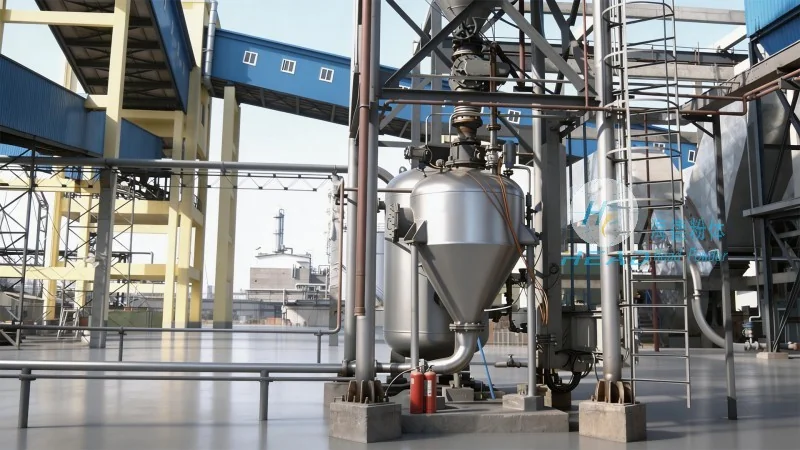
Wheat starch material conveying lines are specialized systems engineered to transport wheat starch, a vital component in food, pharmaceutical, and industrial applications. These lines are designed to ensure safe, efficient, and hygienic movement of the material from one processing stage to another. The core components of such systems typically include feeders, conveyors, and control mechanisms, all working in tandem to maintain consistent flow rates and prevent material degradation.
The Principle of Operation
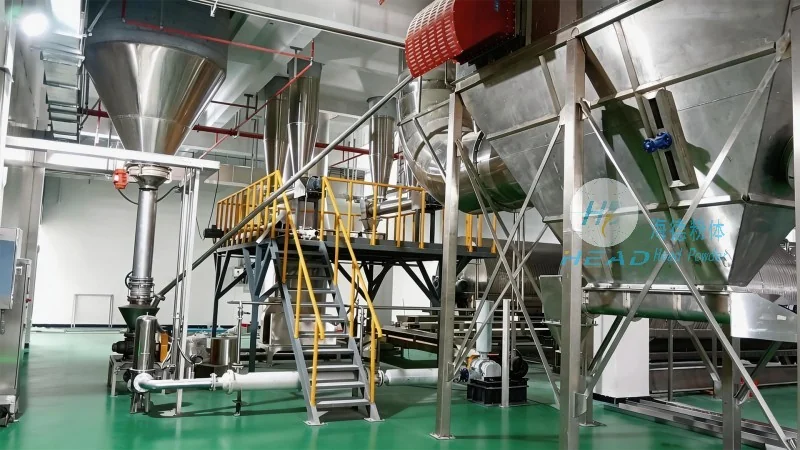
The operation of wheat starch material conveying lines is based on mechanical force and controlled movement. The process begins with the material being fed into the system, often through a hopper or feeder that regulates the flow. From there, the material is transported via conveyor belts, screw conveyors, or pneumatic systems, depending on the specific requirements of the application. The design of these systems prioritizes minimal friction and air exposure to preserve the quality of the wheat starch, which is crucial for maintaining its purity and functional properties.
Key Working Scene Characteristics
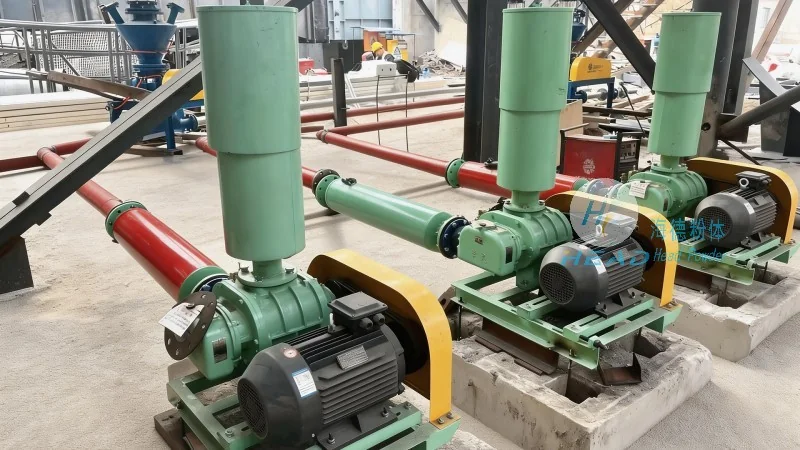
The operational environments of wheat starch material conveying lines are characterized by several critical factors that influence their performance and efficiency. Firstly, the systems are designed to operate in clean and controlled conditions, as wheat starch is sensitive to contamination and moisture. This necessitates the use of stainless steel components and sealed enclosures to prevent dust and foreign particles from entering the material stream. Secondly, the conveying lines are built to handle varying material densities and flow rates, ensuring smooth and continuous operation even under different processing demands. Additionally, the systems incorporate safety features such as overload protection and emergency stop mechanisms to safeguard both the equipment and personnel.
Application Scenarios and Industry Impact
Wheat starch material conveying lines are widely used in industries where precision and hygiene are paramount. In the food industry, these systems facilitate the seamless transfer of starch from storage to processing units, ensuring that the final products meet stringent quality standards. In pharmaceutical applications, the hygienic design of the conveying lines is essential to prevent cross-contamination and maintain the integrity of the starch, which is often used as an excipient or filler. Furthermore, the efficiency of these systems contributes to overall production throughput, reducing downtime and operational costs for manufacturers.
Conclusion
Wheat starch material conveying lines represent a sophisticated solution for the efficient handling of a critical industrial material. By understanding the principles of operation and the characteristics of their working environments, manufacturers can optimize their processing workflows and enhance product quality. Shandong HeadPowder Engineering Co., Ltd. continues to innovate in this field, providing tailored conveying solutions that meet the evolving needs of the wheat starch processing industry.