

Principle and Working Scene Characteristics of Calcium Carbide Slag Powder Pneumatic Conveying Syste
Calcium carbide slag, a byproduct from the production of calcium carbide, presents unique handling challenges due to its fine particle size and abrasive nature. Traditional bulk material handling methods often struggle with dust generation, material loss, and operational inefficiencies when dealing with such powders. Pneumatic conveying systems have emerged as a highly effective solution for transporting calcium carbide slag powder, offering a dust-free, efficient, and flexible approach to material movement. This article explores the fundamental principles behind these systems and highlights the key working scene characteristics that make them ideal for various industrial applications.
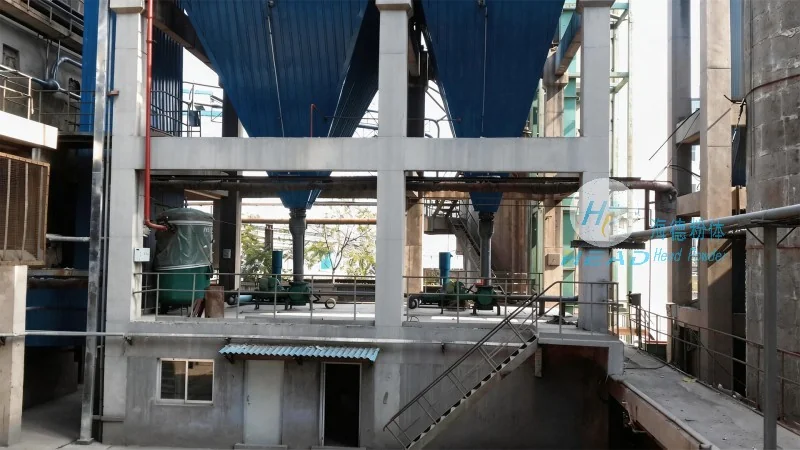
Understanding the Core Principle of Pneumatic Conveying for Calcium Carbide Slag
The fundamental principle of pneumatic conveying involves the use of a gas stream (typically air) to transport solid particles through a pipeline. In the case of calcium carbide slag powder, the system operates by creating a flow of air that entrains the fine particles, moving them from the source to the destination. There are two primary types of pneumatic conveying systems: dilute-phase and dense-phase. Dilute-phase systems use higher air velocities to keep particles suspended, suitable for long-distance or high-velocity transport. Dense-phase systems, on the other hand, use lower air velocities and higher particle concentrations, which is often preferred for handling abrasive or sensitive materials like calcium carbide slag. The choice between these systems depends on factors such as the distance of transport, the required flow rate, and the characteristics of the material.
Key Working Scene Characteristics of Pneumatic Conveying Systems
When considering the application of pneumatic conveying systems for calcium carbide slag powder, several working scene characteristics are critical to ensure optimal performance and efficiency. These characteristics include:
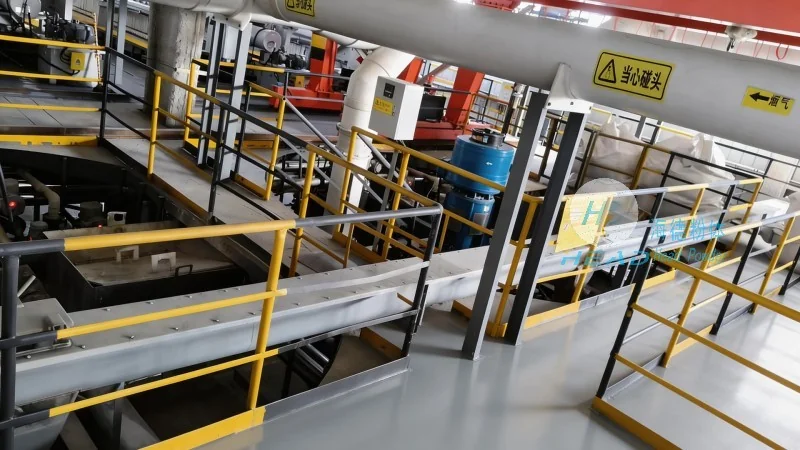
1. **Dust Control and Environmental Compliance**: Calcium carbide slag is known for its fine particle size, which can easily generate dust during handling. Pneumatic conveying systems are designed to minimize dust emissions by enclosing the material transport process, ensuring compliance with environmental regulations and creating a safer working environment for personnel.
2. **Material Handling Flexibility**: Pneumatic conveying systems offer high flexibility in terms of layout and routing. They can be easily integrated into existing industrial setups, allowing for changes in the material flow path without major structural modifications. This adaptability is particularly valuable in dynamic industrial environments where production processes may evolve over time.
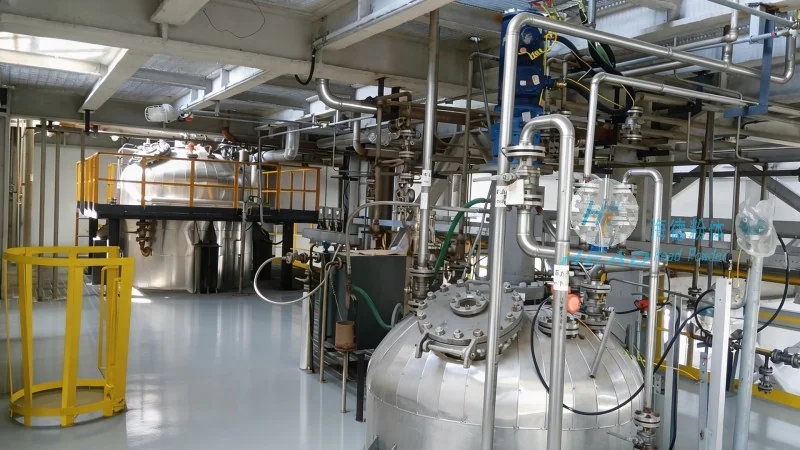
3. **Reduced Material Loss and Contamination**: Unlike mechanical conveying methods that may cause material degradation or loss due to friction and abrasion, pneumatic conveying minimizes these risks. The enclosed system prevents material from being exposed to external contaminants, ensuring that the calcium carbide slag remains in its original state, which is crucial for downstream processing or reuse.
4. **Energy Efficiency and Cost-Effectiveness**: Modern pneumatic conveying systems are engineered to be energy-efficient, with optimized air flow rates and pressure control. This not only reduces operational costs but also contributes to lower carbon footprints, aligning with sustainable industrial practices. The initial investment in such systems is often offset by long-term savings in material handling and maintenance.
HeadPowder: Leading the Way in Pneumatic Conveying Solutions
Shandong HeadPowder Engineering Co., Ltd., commonly known as HeadPowder, is a prominent provider of specialized engineering solutions for material handling, including pneumatic conveying systems tailored for calcium carbide slag powder. With a strong presence in China, HeadPowder leverages decades of experience and advanced technology to design, manufacture, and implement customized solutions that meet the unique demands of industrial clients.

HeadPowder's expertise lies in understanding the specific challenges associated with calcium carbide slag, such as its abrasive properties and fine particle size. By integrating cutting-edge design principles and materials science, the company develops pneumatic conveying systems that are robust, reliable, and tailored to the client's operational requirements. Their solutions often include features like advanced filtration systems to manage dust, variable speed drives for energy optimization, and robust pipeline materials that resist corrosion and wear from the slag particles.
HeadPowder's commitment to quality and customer satisfaction is evident in their comprehensive service approach. From initial consultation and system design to installation, commissioning, and ongoing maintenance, the company provides end-to-end support to ensure that clients achieve optimal performance and longevity from their pneumatic conveying systems. This holistic service model has earned HeadPowder a reputation as a trusted partner in the industry, helping businesses streamline their material handling processes and enhance overall operational efficiency.