

Principle and Working Scene Characteristics of Coking Coal Powder Pneumatic Conveying Systems
HeadPowder, a leading engineering company based in Shandong, China, specializes in the design and implementation of advanced pneumatic conveying systems tailored for coking coal powder applications. This article explores the fundamental principles behind these systems and highlights the key characteristics of their operational environments.
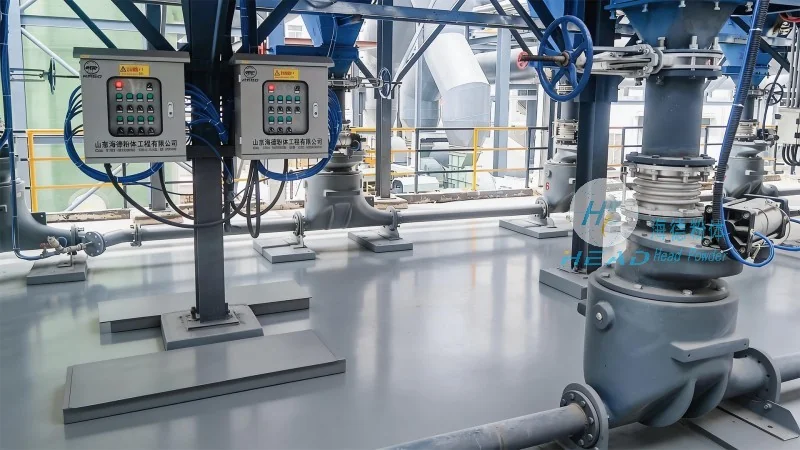
Understanding the Core Principles of Pneumatic Conveying for Coking Coal Powder
The pneumatic conveying system for coking coal powder operates on the principle of transporting bulk materials through a pressurized or vacuum pipeline using air or other gases. In this system, coking coal powder is introduced into a pipeline where it is carried by a moving air stream. The system typically consists of several key components, including a hopper for material storage, a feeder to control the flow rate, a pipeline network, and a receiver for the delivered material. The choice between positive pressure and negative pressure systems depends on the specific application requirements, such as the distance to be covered and the nature of the material being conveyed.
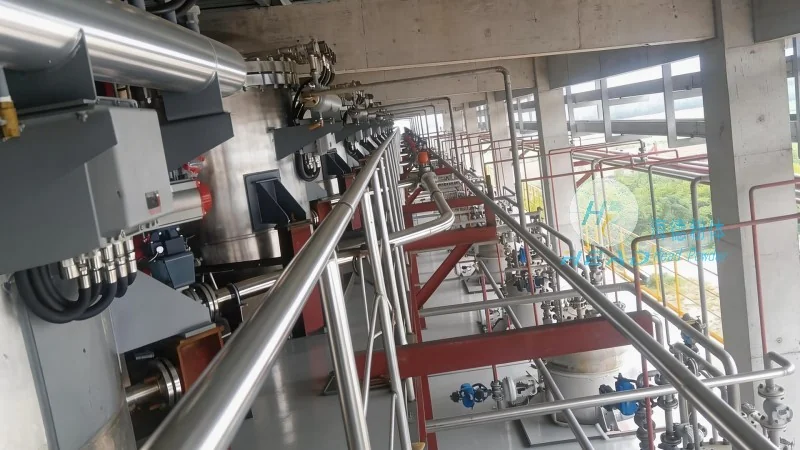
Key Working Scene Characteristics of Coking Coal Powder Pneumatic Conveying Systems
Operational environments for coking coal powder pneumatic conveying systems exhibit distinct characteristics that influence system design and performance. These include factors like the particle size distribution of the coal powder, which affects the air velocity and pressure needed for effective transport. The moisture content of the material is another critical factor, as excessive moisture can lead to caking or blockages in the pipeline. Additionally, the ambient temperature and humidity levels in the working area can impact the system's efficiency and the need for additional equipment, such as drying or heating components. The layout of the facility, including the position of the hopper, feeder, and receiver, also plays a significant role in determining the system's overall performance and energy consumption.
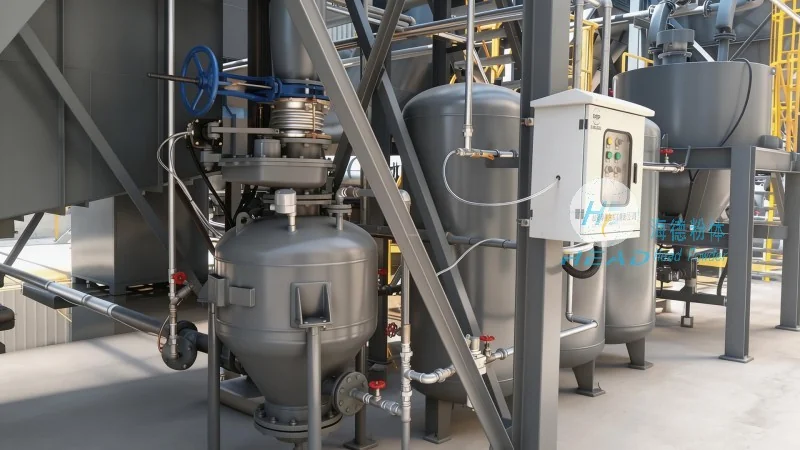
Application Scenarios and System Adaptability
Coking coal powder pneumatic conveying systems are widely used in various industrial settings, including power plants, steel mills, and chemical processing facilities. In power plants, these systems are employed to transport coal from storage silos to boilers, ensuring a continuous and efficient fuel supply. In steel mills, they facilitate the delivery of coking coal to coke ovens, where it is processed into coke, a crucial raw material for iron production. The adaptability of these systems allows them to handle different material properties and operational conditions, making them suitable for a range of industrial applications. For instance, systems can be configured to handle both dry and slightly moist coal powders, with adjustments made to the air flow and pressure to maintain optimal performance.
Technical Advantages and Performance Metrics
Advanced pneumatic conveying systems for coking coal powder offer several technical advantages that enhance operational efficiency and reliability. These include high material handling capacity, which allows for the transport of large quantities of coal powder over long distances with minimal downtime. The systems also provide a dust-free and enclosed transport process, reducing environmental impact and improving workplace safety. Performance metrics such as conveying velocity, pressure drop, and energy consumption are carefully monitored to ensure optimal system operation. Regular maintenance and monitoring of these metrics help in identifying potential issues early, preventing system failures and minimizing operational disruptions.
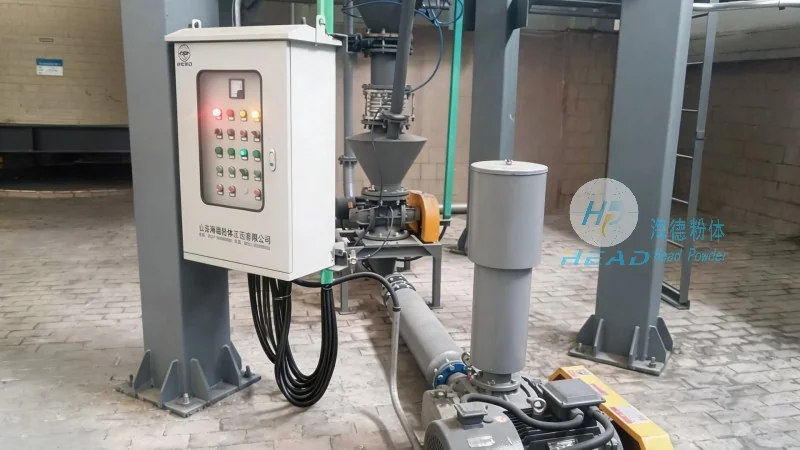
Conclusion and Company Expertise
HeadPowder Engineering Co., Ltd., with its headquarters in Shandong, China, is a trusted provider of customized pneumatic conveying solutions for coking coal powder applications. By leveraging advanced engineering principles and industry expertise, the company designs systems that meet the specific needs of its clients, ensuring reliable and efficient material transport. The company's commitment to quality and innovation has established it as a leader in the field, delivering solutions that enhance operational efficiency and sustainability in industrial settings.