

Principle and Working Scene Characteristics of Styrene Powder Pneumatic Conveying Lines
Pneumatic conveying systems are integral to modern industrial operations, especially for transporting powders such as styrene. These systems leverage air or other gases to move solid materials through a network of pipes, offering a flexible and efficient method for material transfer over varying distances—from short intra-plant transfers to long-distance bulk transport. For styrene powder, a key raw material in polymer and resin production, the design and operation of pneumatic conveying lines are crucial for maintaining product quality, ensuring safety, and optimizing operational efficiency.
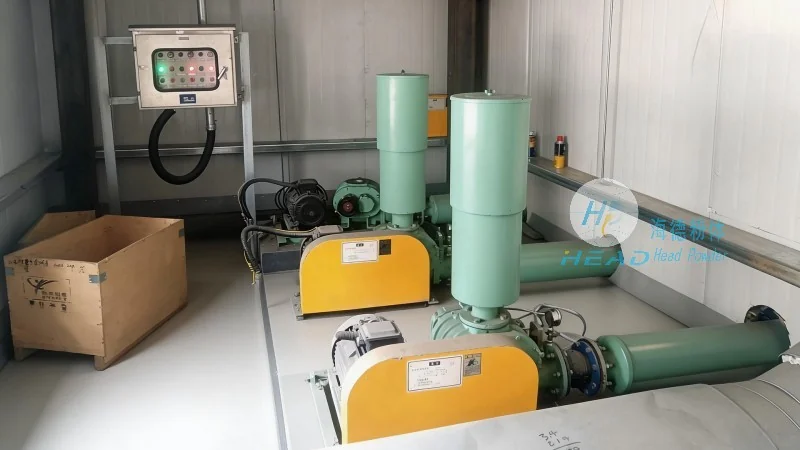
The Core Principle of Pneumatic Conveying
The fundamental principle of pneumatic conveying involves creating a gas-solid flow within a closed pipeline system. Typically, a blower or compressor generates the necessary air pressure to move the powder. The system can operate under positive pressure (air forced into the line) or negative pressure (air drawn out, creating a vacuum). The choice of pressure type depends on factors like material properties, transport distance, and dust emission control. For styrene powder, a fine, non-abrasive material, positive pressure systems are often preferred due to their ability to handle higher flow rates and reduce material degradation risks.
Key Components and Their Functions
A styrene powder pneumatic conveying line comprises critical components working in unison. These include the air supply unit (blower/compressor), conveying line (usually stainless steel or corrosion-resistant material to accommodate styrene's chemical properties), feeders (rotary valves or screw feeders to regulate material flow), and separation equipment (cyclones or filters to recover powder and clean air). The air supply unit creates the pressure differential for material movement, while feeders control feed rates. The conveying line's design (diameter, length) is optimized to minimize pressure drop and energy use. Separation equipment is vital for product recovery and air purification.
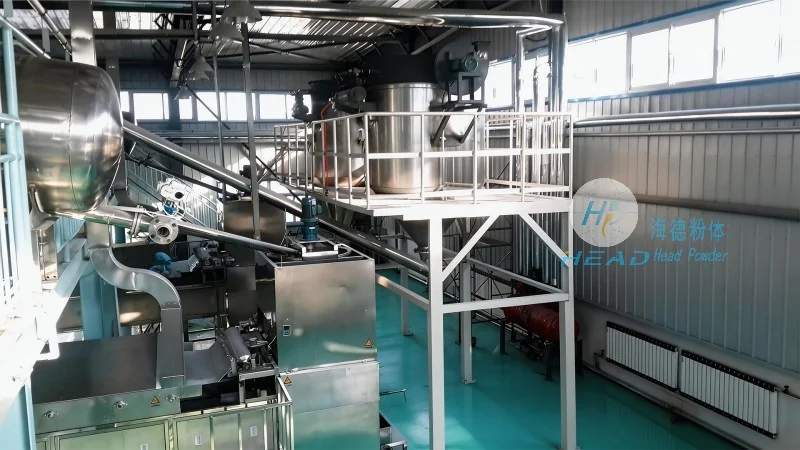
Working Scene Characteristics: Application in Styrene Processing
The working scene characteristics of styrene powder pneumatic conveying lines are shaped by the industry's specific needs. A key characteristic is high-purity handling, as styrene's applications demand minimal contamination. The system design prioritizes dust-free operation and material loss reduction. Another is variable flow rates, ranging from low to high based on production stages (e.g., raw material transfer vs. finished product packaging). Pneumatic conveying's flexibility allows adjustments without major system changes.
Advantages in Industrial Settings
Pneumatic conveying systems offer several advantages for styrene powder handling. First, closed systems reduce dust emissions and enhance workplace safety, critical for respiratory health risks. Second, continuous, automated operation boosts productivity and cuts labor costs. Integration with other equipment (mixers, reactors) enables seamless material transfer. Third, adaptability to material properties makes it suitable for diverse styrene production applications—from raw material storage to final product packaging.
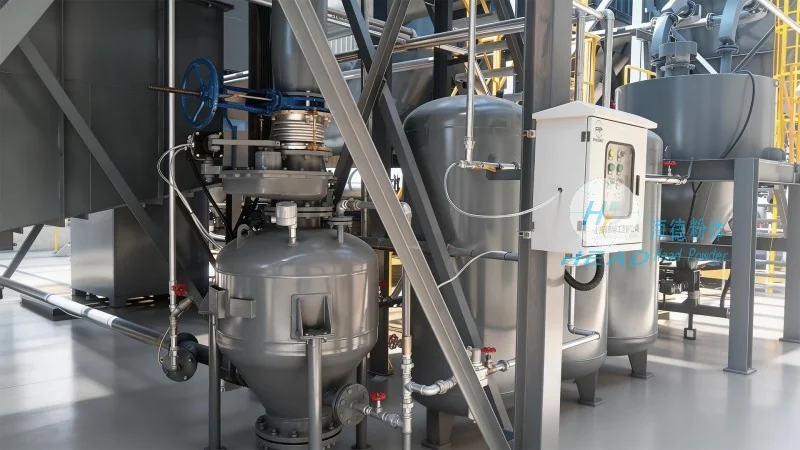
Operational Considerations and Maintenance
Effective operation requires careful attention to factors like material compatibility and system maintenance. Component materials must resist styrene's corrosiveness; stainless steel is commonly used for conveying lines and separation equipment. Preventing blockages due to fine particle size is essential, requiring regular cleaning and part replacement. Monitoring air pressure and flow rates helps detect issues early and avoid failures.
Conclusion: The Role of HeadPowder in Styrene Pneumatic Conveying
Shandong HeadPowder Engineering Co., Ltd. specializes in designing, manufacturing, and installing high-quality pneumatic conveying systems tailored to styrene industry needs. With precision engineering and adherence to industry standards, HeadPowder delivers solutions that enhance operational efficiency, ensure product integrity, and improve workplace safety. The company's expertise in handling fine powders like styrene makes it a trusted partner for businesses seeking reliable material transport solutions. Based in Shandong, China, HeadPowder leverages local presence and technical capabilities to provide customized pneumatic conveying lines that meet unique client requirements, supporting smooth operation of styrene processing facilities globally.