

Principle and Working Scenario Characteristics of Refractory Powder Pneumatic Conveying Lines
HeadPowder, a professional manufacturer based in Shandong, China, specializes in providing high-quality solutions for the handling of refractory materials. Our company, Shandong HeadPowder Engineering Co., Ltd., is dedicated to delivering reliable and efficient pneumatic conveying systems tailored to the unique needs of various industrial applications.
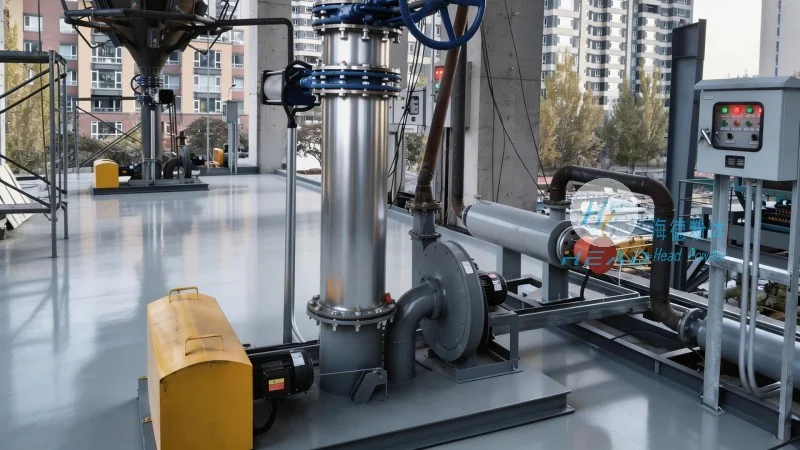
About HeadPowder: A Leading Refractory Powder Handling Solution Provider
HeadPowder is a prominent entity in the field of refractory material processing, with a strong focus on innovation and customer-centric solutions. Established in Shandong, China, our company has built a reputation for excellence in the design, manufacturing, and implementation of advanced powder handling systems. We leverage years of industry experience to develop customized pneumatic conveying lines that meet the specific requirements of clients across different sectors, ensuring optimal performance and durability.
Understanding the Principle of Refractory Powder Pneumatic Conveying Systems
The core principle of refractory powder pneumatic conveying lines involves the use of air or gas to transport fine powders through a pipeline system. This method, known as pneumatic conveying, utilizes pressure differentials or vacuum to move the material from the source to the destination. The system typically consists of a hopper for material storage, a conveying line, and a receiver for the discharged material. The air flow is controlled to ensure the powder is carried efficiently without causing blockages or degradation. Key components include the feeder, which meters the powder into the line, the pipeline itself, and the air compressor or vacuum pump that generates the necessary pressure or suction. The design of the system is critical to handle the specific properties of refractory powders, such as their density, flowability, and potential for dust generation.
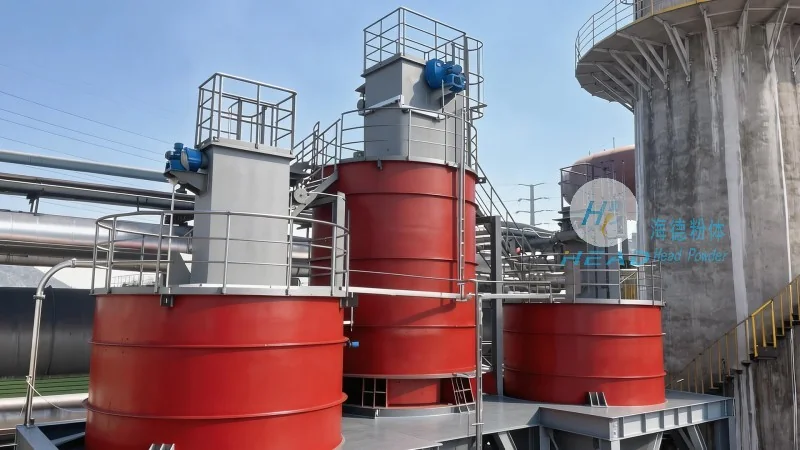
Key Working Scenario Characteristics of These Systems
Refractory powder pneumatic conveying systems are characterized by several distinct working scenario features that make them suitable for a wide range of industrial environments. One primary characteristic is their ability to handle fine, abrasive, and potentially hazardous powders, which are common in refractory manufacturing. The systems are designed to minimize material degradation and ensure consistent particle size distribution, which is crucial for maintaining product quality. Another important aspect is the system's flexibility in terms of layout and integration with existing production lines. They can be configured to transport materials over long distances or within confined spaces, adapting to the spatial constraints of different facilities. The operational efficiency of these systems is also a key feature, as they can operate continuously with minimal downtime, contributing to increased productivity in manufacturing processes. Additionally, the systems are engineered to meet safety standards, including dust control measures and explosion-proof designs, which are essential for handling potentially flammable or reactive powders.
Common Applications and Operational Environments
Refractory powder pneumatic conveying lines are widely used in various industrial applications where the handling of fine powders is essential. Common scenarios include the production of refractory bricks, ceramics, and other high-temperature materials, where consistent material transport is critical for quality control. These systems are also employed in foundries and metal processing facilities for transporting raw materials like silica, alumina, and other additives. The operational environments for these systems vary, ranging from large-scale manufacturing plants with high production volumes to smaller, specialized facilities that require precise material handling. In all cases, the systems are designed to operate under different temperature and pressure conditions, ensuring compatibility with the specific requirements of the application. The ability to handle materials in different states, such as dry powders or slurry-like mixtures, further enhances their versatility in diverse working scenarios.
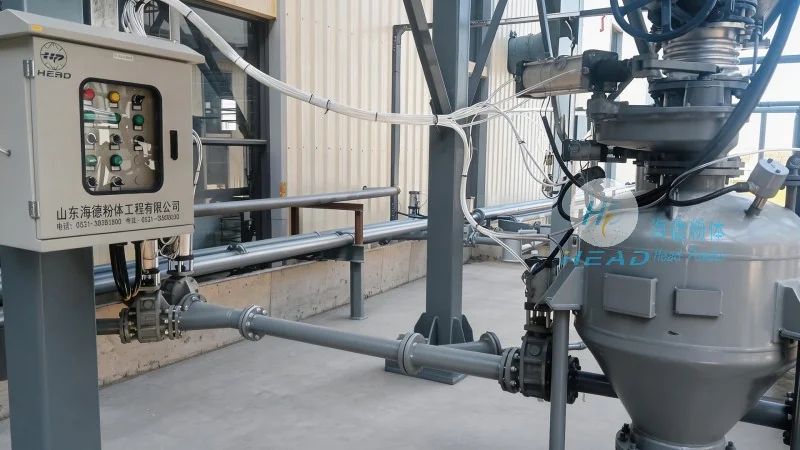
Advantages and Performance Metrics
Implementing refractory powder pneumatic conveying systems offers several advantages over traditional mechanical conveying methods. One significant benefit is the reduction in labor costs and operational complexity, as the system automates the material transport process. This automation also minimizes the risk of human error and improves safety in the workplace. The systems are also known for their low maintenance requirements, as they have fewer moving parts compared to mechanical conveyors, leading to lower long-term operational costs. Performance metrics such as conveying capacity, pressure drop, and material recovery rate are carefully optimized to ensure efficient operation. The design of the system, including the selection of appropriate air velocities and pipeline diameters, directly impacts these metrics, ensuring that the system can handle the required material flow rates without excessive energy consumption or pressure loss.
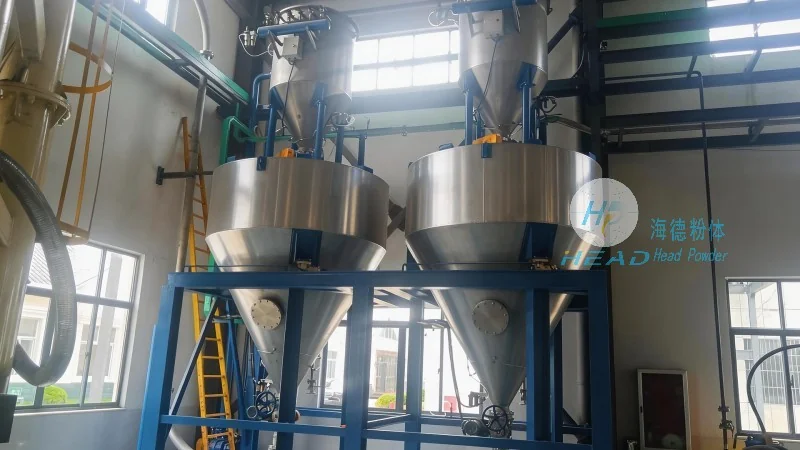
Customization and Integration with Existing Facilities
HeadPowder understands that each industrial facility has unique requirements, and our pneumatic conveying systems are designed to be highly customizable. We work closely with clients to assess their specific needs, including the type of refractory material, production volume, and spatial constraints, to develop a tailored solution. The systems can be integrated seamlessly with existing production lines, either as a standalone unit or as part of a larger material handling network. This integration ensures that the new system complements the existing infrastructure without disrupting ongoing operations. Customization options include the selection of different materials for the pipeline and components to withstand the corrosive or abrasive nature of refractory powders, as well as the incorporation of advanced control systems for monitoring and adjusting the conveying process in real-time. By offering such flexibility, HeadPowder ensures that our clients can achieve optimal performance and efficiency tailored to their specific operational scenarios.
Conclusion: Enhancing Productivity and Efficiency in Refractory Material Handling
In conclusion, refractory powder pneumatic conveying lines are essential equipment for modern industrial operations, offering a reliable and efficient method for handling fine powders. The principles and working scenario characteristics of these systems, combined with their customization options and integration capabilities, make them a preferred choice for various applications. HeadPowder, with its expertise and commitment to quality, provides top-tier solutions that enhance productivity, ensure product quality, and improve operational safety. By leveraging advanced technology and tailored designs, our systems help clients achieve their production goals while minimizing costs and maximizing efficiency in the handling of refractory materials.