

Principle and Application Characteristics of Intermittent Powder Pneumatic Conveying Systems
Intermittent powder pneumatic conveying systems represent a sophisticated solution for transporting bulk powders in industrial settings. These systems operate by periodically introducing powder into a sealed pipeline, where compressed air or gas propels the material to its destination. The fundamental principle involves creating a controlled powder-air mixture, which is then transported under pressure or vacuum conditions. This method is particularly advantageous for handling fine, cohesive, or hygroscopic powders that are challenging to convey using traditional gravity or mechanical systems.
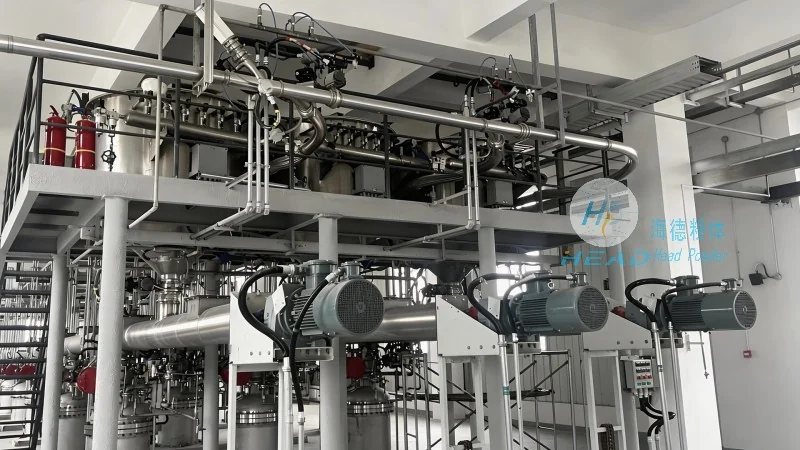
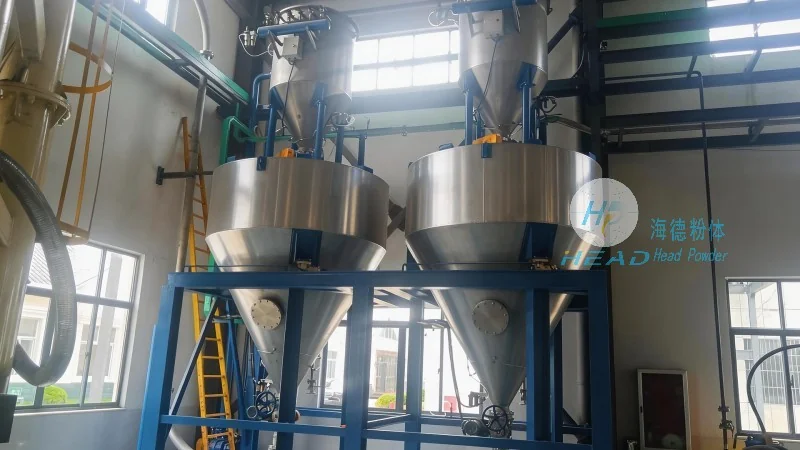
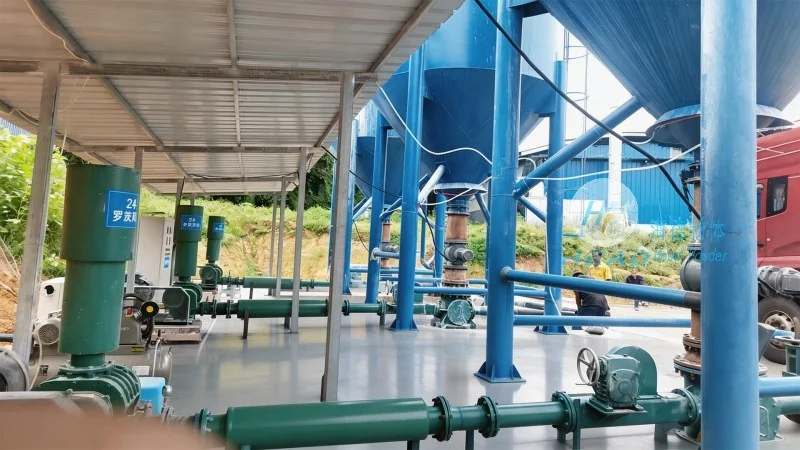
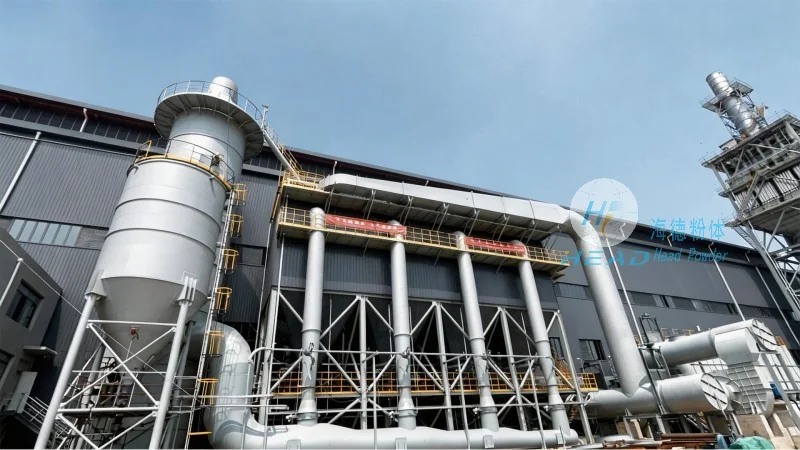
Working Principle of Intermittent Powder Pneumatic Conveying Systems
The operation of an intermittent powder pneumatic conveying system typically follows a sequence of stages. Initially, the powder is stored in a hopper or feeder, which is connected to the conveying pipeline. A valve or gate mechanism then releases the powder in controlled batches, ensuring a consistent flow rate. Simultaneously, a compressor or blower generates the necessary air pressure, which is introduced into the pipeline to create a high-velocity gas stream. The powder particles are entrained by this gas flow and transported to the receiving hopper or silo at the destination. The system then repeats this cycle, with the air flow continuing to maintain the pressure and ensure the material reaches its endpoint. This intermittent operation helps to minimize pressure fluctuations and reduces the risk of material degradation or blockages, making it suitable for sensitive or high-value materials.