

Principle and Working Scene Characteristics of Potassium Carbonate Powder Pneumatic Conveying Machin
For industrial applications involving the handling of potassium carbonate powder, the selection of an efficient and reliable conveying system is crucial. This article explores the principle and working scene characteristics of a specialized pneumatic conveying machine designed for this purpose, highlighting its operational mechanics and practical applications in industrial settings.
Introduction to Potassium Carbonate Powder Pneumatic Conveying
Potassium carbonate, a widely used chemical in various industries such as glass manufacturing, chemical synthesis, and food processing, often requires safe and efficient transportation from storage to processing units. Traditional methods like manual handling or mechanical conveyors may pose challenges related to dust generation, material loss, and operational inefficiencies. The pneumatic conveying machine, specifically engineered for potassium carbonate powder, addresses these issues by utilizing air pressure to transport the material through a pipeline system.
Principle of Operation
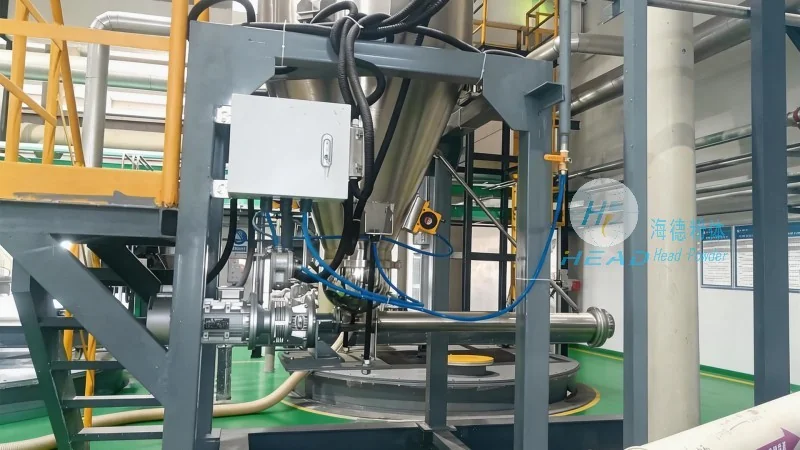
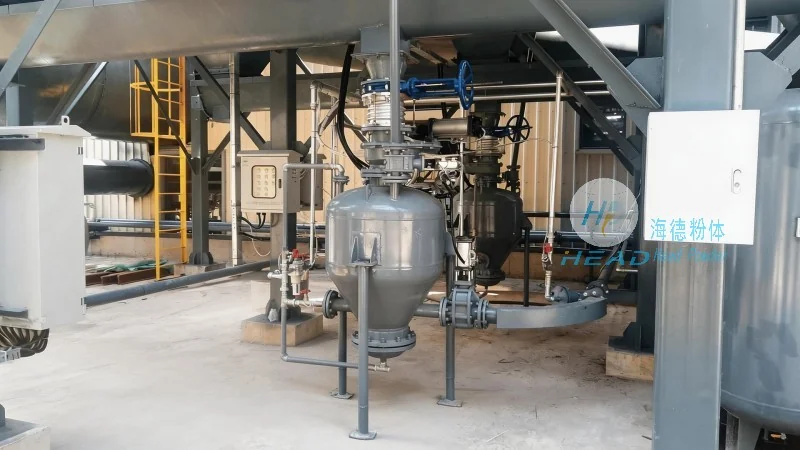
The core principle of the potassium carbonate powder pneumatic conveying machine is based on the pneumatic transport technology, which involves the use of compressed air to move dry powders through a closed pipeline. The system typically consists of a hopper for material storage, a rotary valve or feeder to control the flow rate, a conveying line, and a receiver for the discharged material. The operation begins when the powder is released from the hopper into the conveying line, where it is entrained by the high-velocity air stream. This air-powder mixture travels through the pipeline under pressure, ensuring the material is transported without clogging or degradation.
Key Working Scene Characteristics
The working scene characteristics of this machine are tailored to the specific demands of potassium carbonate handling, offering several advantages that enhance operational efficiency and safety. Firstly, the enclosed system minimizes dust exposure, which is critical for maintaining a clean and safe working environment, especially in industries where dust control is a regulatory requirement. Secondly, the pneumatic conveying process reduces material degradation compared to mechanical methods, preserving the quality of the potassium carbonate powder. Thirdly, the system allows for flexible routing of the conveying line, enabling the machine to be integrated into existing industrial layouts without major structural modifications. Additionally, the machine operates with low maintenance requirements, as it has fewer moving parts compared to traditional mechanical conveyors, leading to cost savings over time.
Application Scenarios
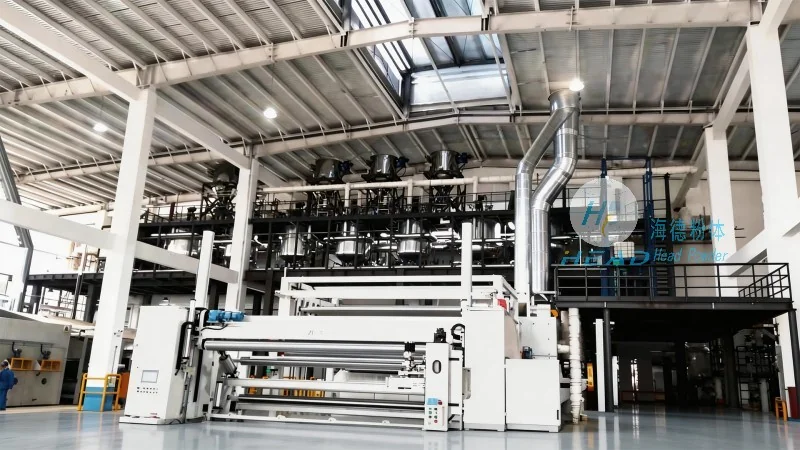
The potassium carbonate powder pneumatic conveying machine is suitable for a range of industrial applications where the safe and efficient transport of dry powders is essential. In the glass industry, for example, it can be used to transport potassium carbonate from storage silos to the melting furnaces, ensuring a consistent and controlled feed rate. In chemical manufacturing plants, the machine can handle the material during the production of potassium-based compounds, facilitating smooth material flow between processing stages. Furthermore, in food processing facilities, the system can be employed to transport potassium carbonate used as a food additive, maintaining hygiene standards and preventing contamination.
Advantages in Industrial Settings
When compared to other conveying methods, the potassium carbonate powder pneumatic conveying machine offers several distinct advantages that make it a preferred choice for many industries. The ability to handle fine powders without clogging is a significant benefit, as potassium carbonate often has a fine particle size that can cause blockages in traditional conveyors. The enclosed design also reduces the risk of material spillage and environmental contamination, which is important for compliance with environmental regulations. Moreover, the system can operate at varying flow rates, allowing for adjustments based on production demands, thereby optimizing resource utilization. The low energy consumption compared to some mechanical systems also contributes to operational cost savings, making it an economically viable option for long-term use.
Conclusion
In conclusion, the potassium carbonate powder pneumatic conveying machine is a sophisticated solution for the efficient and safe handling of potassium carbonate powder in industrial applications. By leveraging pneumatic transport technology, it addresses the challenges associated with traditional conveying methods, offering advantages such as dust control, material preservation, and flexible integration into existing systems. As a product of Shandong HeadPowder Engineering Co., Ltd., based in China, this machine represents a reliable choice for industries requiring high-performance powder conveying solutions, ensuring operational efficiency and compliance with industry standards.