

Principle and Working Scene Characteristics of Barium Sulfate Powder Pneumatic Conveying Machine
Barium sulfate, a widely used inorganic pigment and filler, is often handled in bulk quantities across various industrial sectors. The efficient and safe transportation of this fine powder is crucial for maintaining production efficiency and product quality. Pneumatic conveying systems have emerged as a preferred solution for moving barium sulfate powder due to their ability to handle fine powders without the need for mechanical components that could cause contamination or wear. This article explores the fundamental principles of barium sulfate powder pneumatic conveying machines and highlights the key working scene characteristics that define their application in industrial settings.
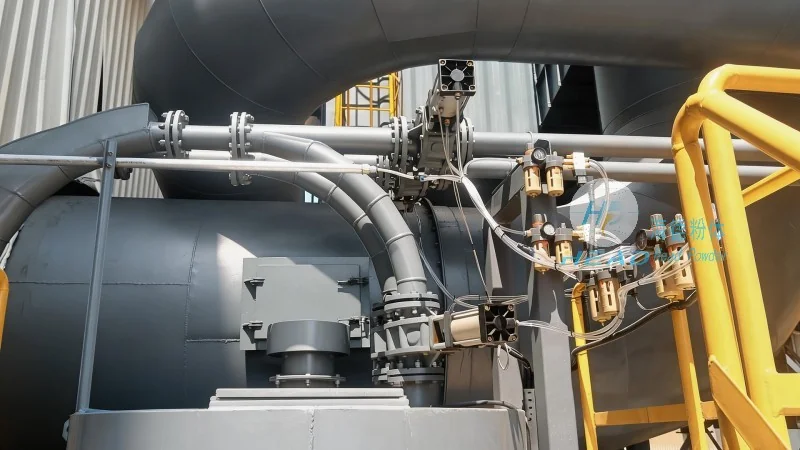
Company Overview: Shandong HeadPowder Engineering Co., Ltd.
Shandong HeadPowder Engineering Co., Ltd., a leading manufacturer in the field of powder handling equipment, specializes in designing and manufacturing advanced pneumatic conveying systems tailored to the specific needs of industries dealing with fine powders. With a strong commitment to quality and innovation, the company has established itself as a trusted partner for businesses requiring reliable and efficient powder transportation solutions. HeadPowder's expertise lies in understanding the unique challenges associated with handling materials like barium sulfate, ensuring that their systems are optimized for performance, durability, and safety.
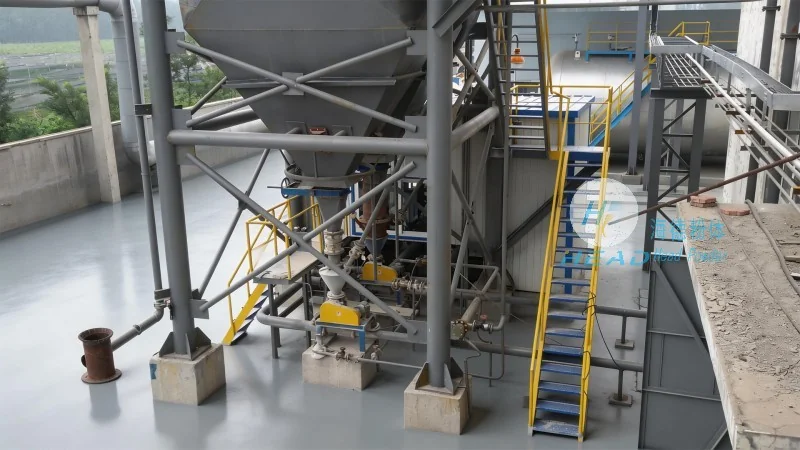
The Principle of Pneumatic Conveying for Barium Sulfate Powder
Pneumatic conveying systems operate by transporting solid particles through a pipeline using a fluid, typically air or gas. In the case of barium sulfate powder, the system utilizes a combination of positive and negative pressure or vacuum to move the material from the source to the destination. The core components of a pneumatic conveying system include a hopper or feeder, a conveyor line (usually made of stainless steel or other corrosion-resistant materials), a blower or vacuum pump, and a discharge unit. The process begins when the barium sulfate powder is fed into the hopper. The blower then generates a flow of air that draws the powder particles into the conveyor line, creating a slurry of powder and air. This mixture travels through the pipeline under pressure or vacuum, reaching the discharge point where the powder is separated from the air and collected in a container. The key to efficient pneumatic conveying lies in maintaining the correct air-to-powder ratio, ensuring that the powder is fully suspended and transported without clogging or degradation.
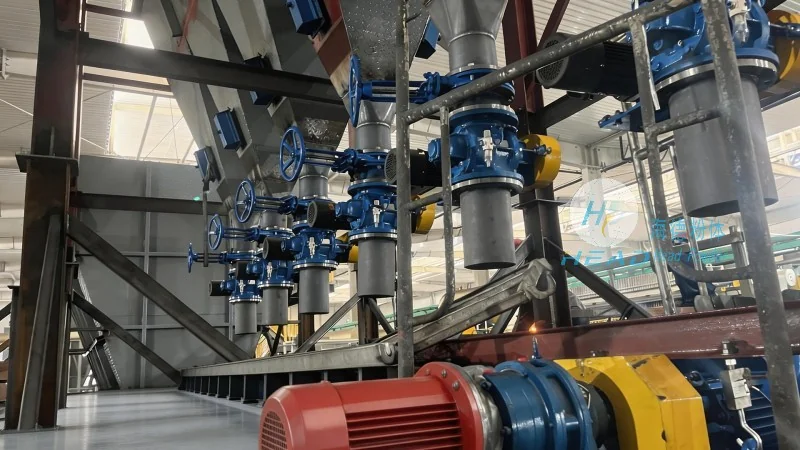
Working Scene Characteristics of Barium Sulfate Powder Pneumatic Conveying Machines
The application of barium sulfate powder pneumatic conveying machines is characterized by several distinct working scene features that reflect the specific demands of industrial processes. Firstly, the systems are designed to handle fine, abrasive powders, which require materials of construction that can withstand wear and corrosion. Stainless steel is commonly used for the conveyor lines and components to prevent contamination and ensure longevity. Secondly, the systems are often integrated into existing production lines, requiring flexibility and adaptability to accommodate varying flow rates and material volumes. This adaptability is crucial in industries where production schedules may change or where different batches of barium sulfate require different handling conditions. Thirdly, the working scenes typically involve high-volume transportation, as barium sulfate is often used in large quantities for applications such as paint, coatings, and rubber manufacturing. The efficiency of the pneumatic conveying system directly impacts the overall productivity of the production line, making it a critical component in the supply chain. Additionally, the systems are designed with safety in mind, incorporating features such as pressure relief valves and dust collection systems to prevent accidents and maintain a safe working environment. The working scene characteristics also include the need for minimal maintenance, as downtime can significantly affect production output. HeadPowder's systems are engineered with this in mind, featuring easy-to-clean components and robust designs that reduce the need for frequent repairs.
Advantages and Applications in Industrial Settings
The use of barium sulfate powder pneumatic conveying machines offers several advantages over traditional mechanical conveying methods. One of the primary benefits is the ability to handle fine powders without the risk of particle degradation or contamination. Mechanical conveyors, such as screw conveyors or belt conveyors, can cause friction and abrasion that may affect the quality of the barium sulfate powder. Pneumatic systems, on the other hand, use air to transport the material, minimizing these risks. Another advantage is the flexibility of the system, which allows for horizontal, vertical, or inclined transportation, depending on the layout of the production facility. This flexibility is particularly useful in facilities where space is limited or where the production line needs to be reconfigured. The systems also offer a high degree of control over the flow rate and pressure, enabling precise control over the amount of powder being transported. This control is essential in processes where the exact quantity of barium sulfate is critical, such as in the manufacturing of pharmaceuticals or specialty chemicals. In industrial settings, barium sulfate is commonly used in the production of paints, coatings, rubber, and plastics. The pneumatic conveying system ensures that the powder is delivered to these processes in a consistent and controlled manner, improving the quality and uniformity of the final products. The systems are also suitable for applications where the powder needs to be transported over long distances or through multiple stages of processing, such as from a storage silo to a mixing plant. The reliability of the pneumatic conveying system in these scenarios is a key factor in maintaining production continuity and minimizing downtime.
Conclusion
Barium sulfate powder pneumatic conveying machines represent a sophisticated solution for the efficient and safe transportation of fine powders in industrial applications. The principles of pneumatic conveying, combined with the specific characteristics of barium sulfate powder, have led to the development of systems that are both effective and reliable. Shandong HeadPowder Engineering Co., Ltd. has played a significant role in advancing this technology, providing manufacturers with high-quality equipment that meets the demands of modern production lines. The working scene characteristics of these systems, including their adaptability, durability, and safety features, make them an essential component in industries where the handling of fine powders is critical. As industrial processes continue to evolve, the importance of efficient powder handling systems like pneumatic conveyors will only grow, ensuring that barium sulfate and other fine powders are transported in a manner that maximizes productivity and product quality.