

Principle and Working Scene Characteristics of Negative Pressure Material Air Power Conveying System
HeadPowder, a leading engineering company based in Shandong, China, specializes in the design and implementation of advanced material handling solutions. This article explores the fundamental principles behind negative pressure material air conveying systems, detailing how they operate and the specific scenarios where they are most effectively applied.
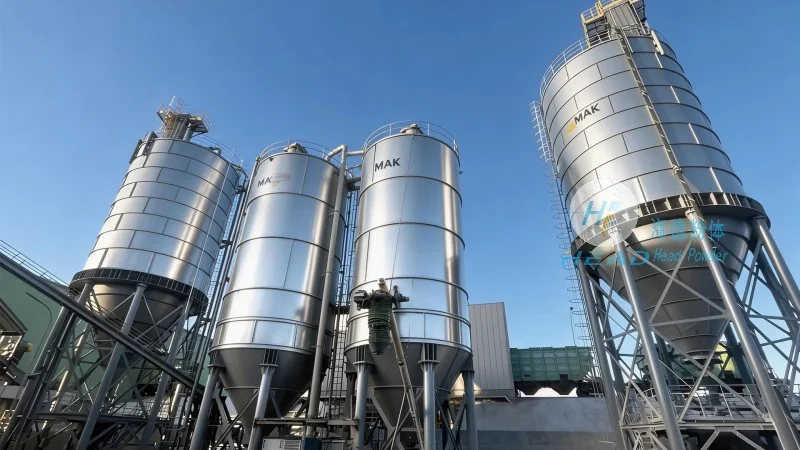
Principle of Negative Pressure Material Air Conveying System
The core principle of a negative pressure material air conveying system is the creation of a low-pressure environment within the conveying pipeline. This is typically achieved by using a centrifugal fan or a dedicated vacuum pump that draws air and material particles from the source container into the system. The system operates by creating a pressure differential: the source area is at a higher pressure (or atmospheric pressure), while the conveying line is under negative pressure. As the fan pulls air through the pipeline, it simultaneously draws in the material particles, which are then transported to the destination point. The process involves several key components, including the vacuum source, the material inlet, the conveying pipeline, and the material separation and discharge equipment. The fan generates a consistent negative pressure, ensuring that the material is continuously drawn from the source and delivered to the target location without the need for external positive pressure sources.
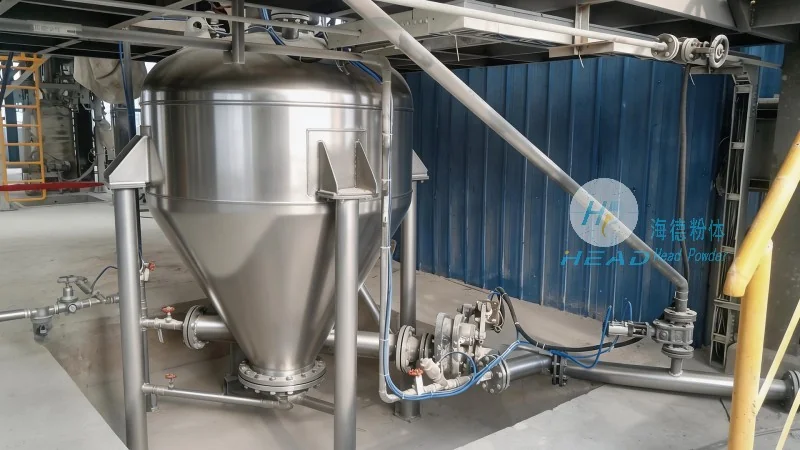
Key Components and Their Functions
1. **Vacuum Source (Fan/Pump):** The primary driver of the system, responsible for generating the necessary negative pressure. This component can be a centrifugal fan, a rotary lobe pump, or a Roots blower, depending on the system's capacity and the material's characteristics. The vacuum source is typically located at the discharge end of the pipeline to ensure efficient material transport. 2. **Material Inlet (Suction Hopper):** This is where the material is loaded into the system. The inlet is designed to minimize air leakage and ensure a smooth transition of material into the pipeline. It often includes a filter or a pre-separation device to prevent large debris from entering the system and damaging the fan or other components. 3. **Conveying Pipeline:** Made of durable materials such as stainless steel, PVC, or metal, the pipeline is designed to withstand the negative pressure and the abrasive nature of the material being transported. The pipeline is usually laid in a straight or slightly inclined path to facilitate material flow, with bends and fittings that are carefully engineered to maintain the pressure differential and prevent material blockages. 4. **Material Separation and Discharge Equipment:** At the receiving end, the system includes a separator (e.g., cyclone separator or bag filter) to separate the material from the air stream. The separated material is then discharged into a collection container, while the clean air is either recirculated or vented to the atmosphere. This component is critical for maintaining system efficiency and ensuring that the material is delivered in a clean, dry state.
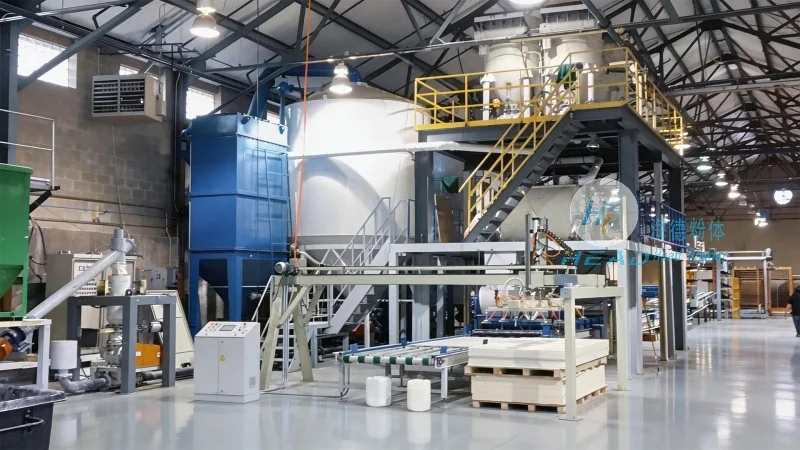
Working Scene Characteristics and Applications
Negative pressure material air conveying systems are particularly well-suited for applications where material handling requires minimal dust generation, high cleanliness, and the ability to transport materials over relatively long distances. Some of the key working scene characteristics include: - **Dust-Free Operation:** By operating under negative pressure, the system prevents dust and particles from escaping into the environment, making it ideal for industries such as food processing, pharmaceuticals, and electronics manufacturing, where contamination control is paramount. - **Continuous and Automated Material Transport:** The system can operate continuously, allowing for automated feeding and discharge processes. This is beneficial in production lines where materials need to be moved from one process step to another without manual intervention. - **Versatility in Material Handling:** These systems can handle a wide range of materials, including powders, granules, and small particles, with varying moisture content and particle sizes. The design of the system can be customized to accommodate different material properties, ensuring optimal performance. - **Space Efficiency:** Compared to positive pressure systems, negative pressure systems often require less space for the fan and other components, as the vacuum source is typically located at the discharge end. This makes them suitable for installations with limited space or where the layout of the production facility restricts the placement of equipment. In practical applications, negative pressure material air conveying systems are commonly used in: - **Chemical and Pharmaceutical Industries:** For transporting raw materials, intermediates, and finished products that require strict contamination control. - **Food and Beverage Industries:** For handling powders such as flour, sugar, and spices, where hygiene and dust control are critical. - **Mining and Minerals Processing:** For conveying bulk materials like ores, coal, and minerals from storage bins to processing equipment. - **Plastics and Rubber Manufacturing:** For transporting raw materials and additives, often in high-volume production environments. The effectiveness of a negative pressure system in these scenarios is directly related to its ability to maintain a consistent negative pressure, handle the specific material characteristics, and ensure efficient separation and discharge of the material. Proper system design and maintenance are essential to achieve optimal performance and meet the operational requirements of the target industry.