

Principle and Working Scene Characteristics of Pneumatic Conveying Equipment for Sand and Soil Mater
HeadPowder, a leading provider in the field of material handling solutions, specializes in the design, manufacturing, and implementation of advanced pneumatic conveying systems. Based in Shandong, China, the company has established itself as a trusted partner for industries requiring efficient and reliable transport of bulk materials, particularly sand and soil. This article delves into the fundamental principles of pneumatic conveying technology and highlights the key characteristics of its application in various working environments.
Understanding Pneumatic Conveying for Sand and Soil Materials
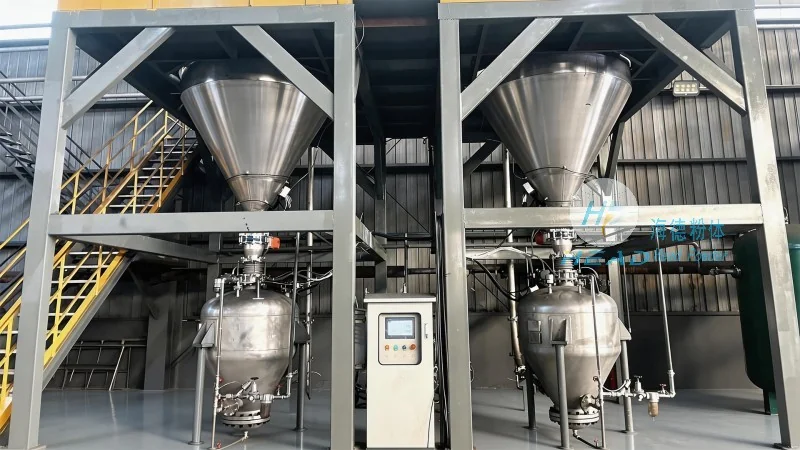
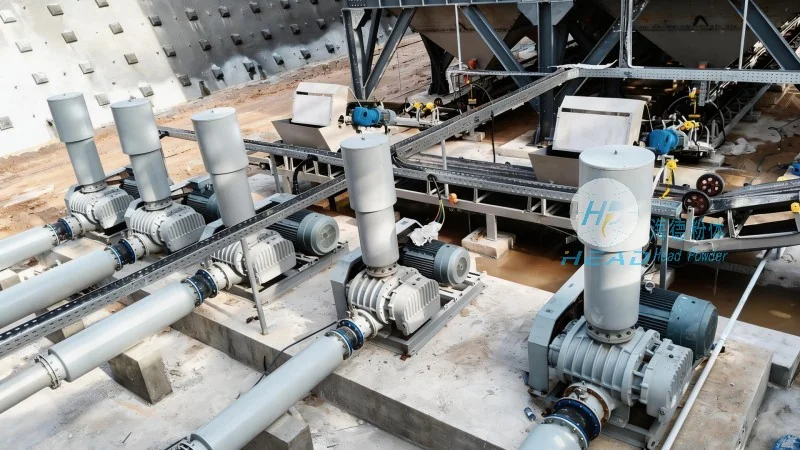
Pneumatic conveying, also known as air conveying, is a method of transporting bulk materials through a pipeline using air or gas as the conveying medium. For sand and soil materials, this technology offers a non-contact, low-maintenance, and highly efficient solution compared to traditional mechanical conveyors. The core principle involves creating a pressure differential within the pipeline to move the material. In a typical system, a blower or compressor generates the necessary air flow, which then draws the material into the pipeline. The material is then carried through the system by the moving air, often with the assistance of cyclones or other separation devices to separate the material from the air at the discharge point.
Key Working Scene Characteristics of Pneumatic Conveying Systems
The application of pneumatic conveying for sand and soil materials is characterized by several distinct features that make it suitable for specific industrial settings. Firstly, the system is highly flexible in terms of layout and installation. Unlike fixed mechanical conveyors, pneumatic systems can be easily reconfigured or expanded to accommodate changes in production processes or facility expansions. This adaptability is particularly valuable in construction sites, mining operations, and agricultural applications where material handling requirements may vary over time.
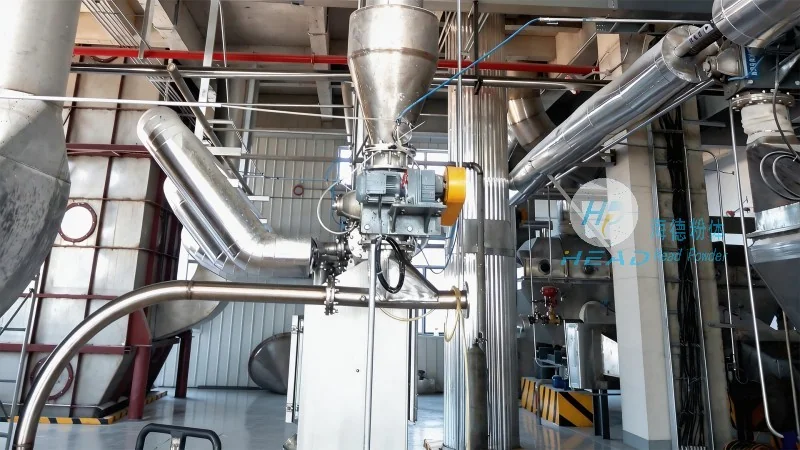
Secondly, pneumatic conveying offers excellent dust control and environmental protection. By transporting materials in a sealed pipeline, the system minimizes dust emissions, reducing the risk of respiratory issues for workers and preventing contamination of the surrounding environment. This is especially important in applications where air quality regulations are stringent, such as in urban construction projects or in areas with sensitive ecosystems.
Thirdly, the system provides a high degree of safety and reliability. Since the material is conveyed without direct human contact, there is minimal risk of injury from moving parts or falling materials. Additionally, pneumatic systems are less prone to mechanical failures compared to traditional conveyors, as they do not rely on complex mechanical components like belts or chains. This results in lower maintenance costs and increased operational uptime.
Applications and Operational Advantages in Different Industries
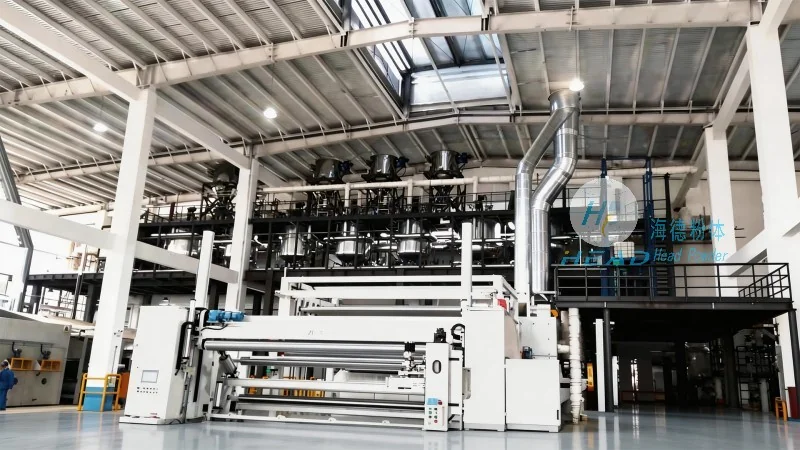
The versatility of pneumatic conveying for sand and soil materials makes it applicable across a wide range of industries. In the construction industry, these systems are commonly used to transport sand, gravel, and soil from storage areas to construction sites, ensuring a steady supply of materials for concrete mixing and earthwork. The ability to handle large volumes of material quickly and efficiently helps to streamline construction processes and reduce project timelines.
In the mining sector, pneumatic conveying is utilized to transport ore and overburden from mines to processing facilities. The system's ability to handle abrasive materials like sand and soil without causing wear and tear on components makes it ideal for long-term mining operations. Furthermore, the sealed pipeline design prevents dust and debris from entering the mine environment, improving safety and reducing the need for additional dust control measures.
In the agricultural sector, pneumatic conveying systems are employed to transport soil, compost, and other bulk materials for farming and landscaping purposes. The system's efficiency in moving large quantities of material over long distances makes it suitable for large-scale agricultural operations, where traditional methods may be too slow or labor-intensive.
Conclusion
HeadPowder's pneumatic conveying equipment for sand and soil materials exemplifies the advanced technology and practical design that meet the demands of modern industrial applications. By understanding the fundamental principles of pneumatic conveying and leveraging its key working scene characteristics, industries can achieve improved efficiency, safety, and environmental performance in their material handling operations. As a company based in Shandong, China, HeadPowder continues to innovate and provide tailored solutions to meet the evolving needs of its clients in various sectors.