

Operation Process and Working Principle of Multi-Point Feeding Powder Material Conveying System Equi
HeadPowder, a leading provider of industrial powder handling solutions, specializes in the design and manufacturing of advanced multi-point feeding powder conveying systems. These systems are engineered to efficiently transport bulk powders from multiple feeding points to a central processing or storage location, ensuring consistent flow rates and minimal material loss. The following sections detail the operation process and working principles of such equipment, highlighting key components, operational steps, and technical advantages.
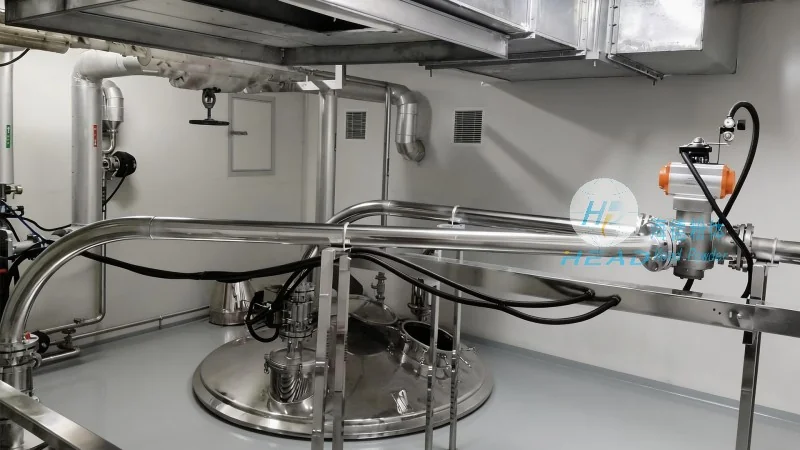
Overview of Multi-Point Feeding Powder Conveying System Equipment
The multi-point feeding powder conveying system is a sophisticated piece of industrial equipment developed by Shandong HeadPowder Engineering Co., Ltd. based in China. This system is designed to handle various types of powders, including chemicals, food additives, and pharmaceuticals, by integrating multiple feeding sources into a unified conveying network. The primary goal is to achieve seamless, continuous material transfer while maintaining precise control over flow rates and pressure differentials. The system typically consists of feed hoppers, conveying pipes, control valves, and a central control unit, all working in tandem to optimize the powder handling process.
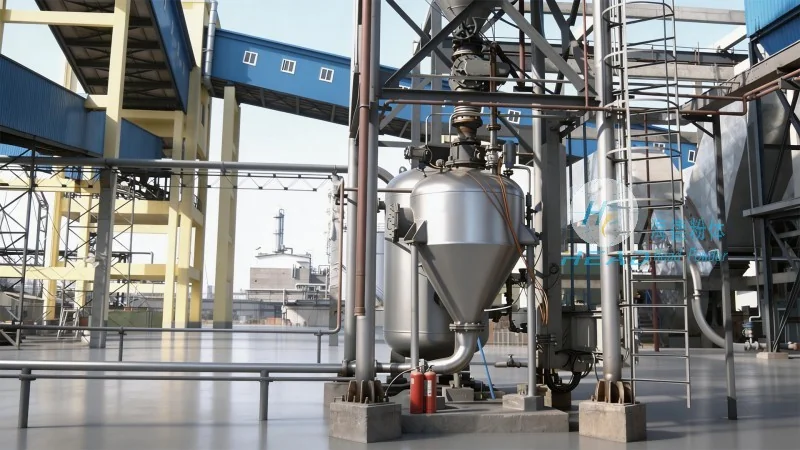
Key Components and Their Roles
Several critical components contribute to the functionality of the multi-point feeding powder conveying system. The feed hoppers are responsible for storing and feeding the powder from each source point. These hoppers are equipped with level sensors and flow control devices to regulate the amount of material entering the system. The conveying pipes, often made of stainless steel or other corrosion-resistant materials, transport the powder from the feed hoppers to the discharge point. Control valves, such as rotary valves or slide gates, are used to regulate the flow of powder through the pipes, ensuring that each feeding point contributes proportionally to the total output. The central control unit, which may be a programmable logic controller (PLC) or a dedicated control system, monitors all parameters and adjusts the operation of the components in real-time to maintain optimal performance.
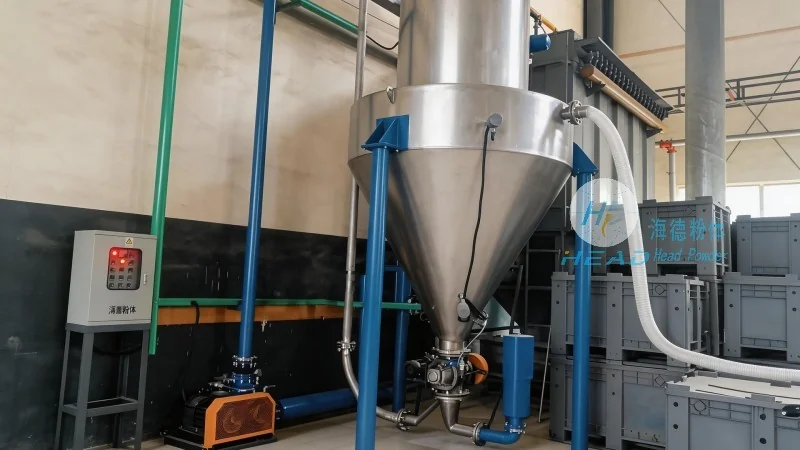
Operation Process of the System
The operation of the multi-point feeding powder conveying system follows a systematic sequence to ensure safe and efficient material transfer. The process begins with system preparation, where all components are inspected for proper alignment, tight connections, and functional status. This includes checking the condition of the feed hoppers, conveying pipes, and control valves, as well as verifying that the power supply and control system are operational. Once the system is ready, the start-up procedure is initiated. The control unit sends signals to the feed hoppers to begin feeding, and the conveying pipes are activated to create the necessary pressure differential. As the powder enters the system, the control valves adjust their positions to maintain the desired flow rate from each feeding point. During operation, the control unit continuously monitors parameters such as pressure, flow rate, and temperature, and automatically adjusts the system settings if any deviations are detected. The system runs continuously until the feeding hoppers are depleted or the operation is manually stopped. The shutdown process involves gradually reducing the flow rate from each feeding point, closing the control valves, and turning off the conveying pipes and control unit to prevent material backflow and ensure safety.
Working Principle of the System
The working principle of the multi-point feeding powder conveying system is based on the principles of pneumatic or mechanical conveying, depending on the specific design. In pneumatic systems, compressed air is used to create a pressure differential that propels the powder through the conveying pipes. The feed hoppers are connected to the conveying lines via rotary valves, which control the flow of powder into the system. The central control unit regulates the air pressure and flow rate to maintain consistent material transport. In mechanical systems, such as screw conveyors or belt conveyors, the powder is moved by rotating components that push or pull the material along the pipe. The multi-point feeding feature allows for the integration of multiple feed hoppers, enabling the system to handle powders from different sources simultaneously. The coordination of these feeding points is achieved through the control unit, which ensures that the total flow rate remains stable even if one or more feed hoppers experience variations in material level. This coordination is crucial for maintaining the quality and consistency of the final product, as it prevents overloading or underloading of the processing equipment.
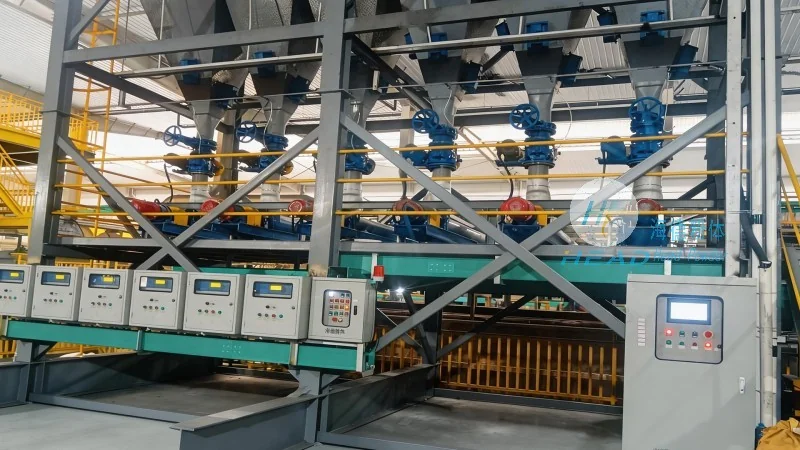
Technical Advantages and Practical Applications
The multi-point feeding powder conveying system offers several technical advantages that make it an ideal solution for industrial applications. One of the key benefits is its ability to handle multiple feeding sources, which increases operational flexibility and reduces downtime caused by material shortages. The system also provides precise control over flow rates, which is essential for processes that require consistent material input, such as chemical reactions or pharmaceutical manufacturing. Additionally, the use of corrosion-resistant materials and sealed components minimizes material contamination and ensures compliance with industry standards. The system is particularly suitable for applications where powders need to be transported over long distances or through complex layouts, as it can be easily customized to fit specific site requirements. Shandong HeadPowder Engineering Co., Ltd. has successfully implemented these systems in various industries, including chemical manufacturing, food processing, and pharmaceutical production, demonstrating their reliability and efficiency in real-world scenarios.