

Operating Process and Working Principle of Molybdenum Trioxide Material Handling System Equipment
The Molybdenum Trioxide Material Handling System, developed by Shandong HeadPowder Engineering Co., Ltd., is a specialized equipment designed for the efficient transportation and handling of molybdenum trioxide. This system integrates advanced engineering principles and robust construction to ensure reliable operation in industrial settings. The system is tailored to meet the specific demands of material handling processes, providing a seamless solution for the movement of molybdenum trioxide from storage to processing units.
Operating Process of the Molybdenum Trioxide Material Handling System
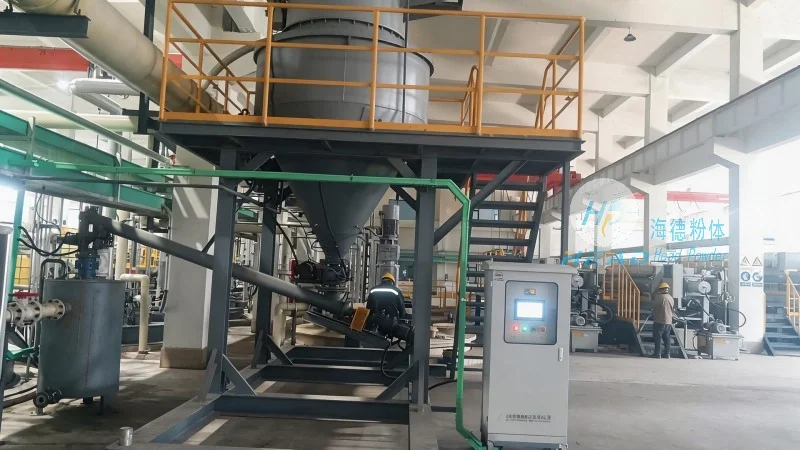
The operation of the Molybdenum Trioxide Material Handling System follows a systematic workflow that ensures optimal performance and safety. The process begins with the loading of molybdenum trioxide into the storage hopper. From there, the material is transferred through a series of conveyor mechanisms, such as belt conveyors or screw conveyors, depending on the system configuration. The system is equipped with sensors and control panels that monitor the flow rate and pressure, ensuring consistent material movement. The material then proceeds to the processing or packaging stages, where it is further handled by downstream equipment. The entire process is automated, reducing human intervention and minimizing the risk of material loss or contamination.
Working Principle of the Molybdenum Trioxide Material Handling System
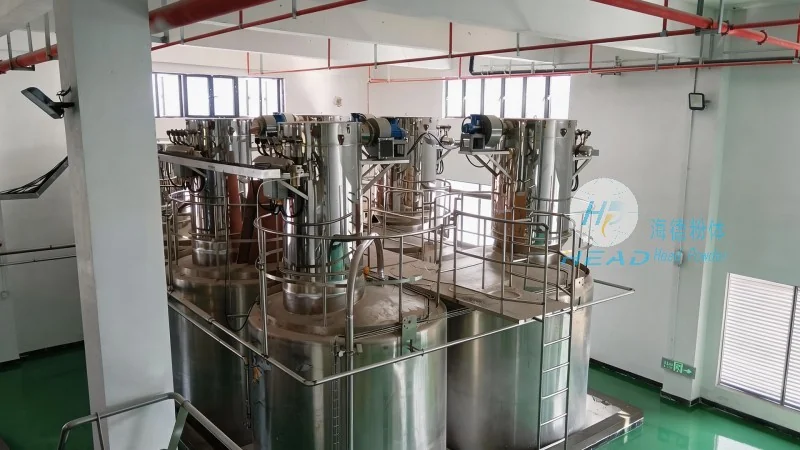
The working principle of the Molybdenum Trioxide Material Handling System is based on mechanical and pneumatic forces that facilitate the movement of the material. The system utilizes a combination of gravity, mechanical drive, and sometimes pneumatic assistance to move the molybdenum trioxide through the handling equipment. The hopper at the inlet provides a storage capacity that allows for continuous operation, even during maintenance or processing interruptions. The conveyor belts or screw mechanisms are designed with appropriate materials to prevent chemical reactions with the molybdenum trioxide, ensuring the integrity of the material and the equipment. The control system, which includes programmable logic controllers (PLCs), regulates the speed and direction of the material flow, adapting to changes in production demand. This integrated approach ensures that the system operates efficiently and reliably, meeting the high standards required for industrial material handling.
Key Features and Benefits of the System
Shandong HeadPowder Engineering Co., Ltd. has incorporated several key features into the Molybdenum Trioxide Material Handling System to enhance its performance and user experience. These features include high-capacity storage hoppers, durable and corrosion-resistant materials for the conveyor components, and advanced control systems that provide real-time monitoring and data logging. The system is designed to handle the specific properties of molybdenum trioxide, such as its fine particle size and potential for dust generation, by incorporating dust collection and filtration systems. The equipment is also equipped with safety features, such as emergency stop buttons and overload protection, to ensure the safety of operators and the integrity of the material. The benefits of using this system include increased productivity, reduced labor costs, improved material quality, and enhanced safety in the workplace.
Application and Industry Use
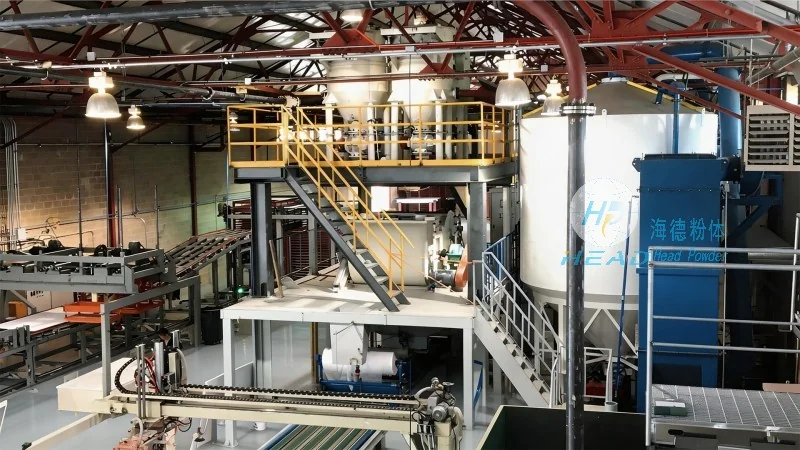
The Molybdenum Trioxide Material Handling System is widely used in various industrial applications, particularly in the production of molybdenum-based products. It is commonly employed in mining and processing facilities where molybdenum trioxide is extracted and refined. The system is also used in chemical manufacturing plants that produce molybdenum compounds for use in lubricants, catalysts, and other industrial applications. The system's ability to handle fine powders and maintain consistent material flow makes it an essential component in these processes. Additionally, the system is suitable for use in environments where dust control and material purity are critical, such as in pharmaceutical and food processing industries, although its primary application remains in the molybdenum trioxide production sector.