

Operation Process and Working Principle of Dust-Free Closed Powder Pneumatic Conveying Equipment
HeadPowder, a leading manufacturer based in Shandong, China, specializes in the design, development, and production of advanced dust-free closed powder pneumatic conveying equipment. This article provides a detailed overview of the operation process and working principle of such equipment, highlighting its key features and benefits for industrial applications.
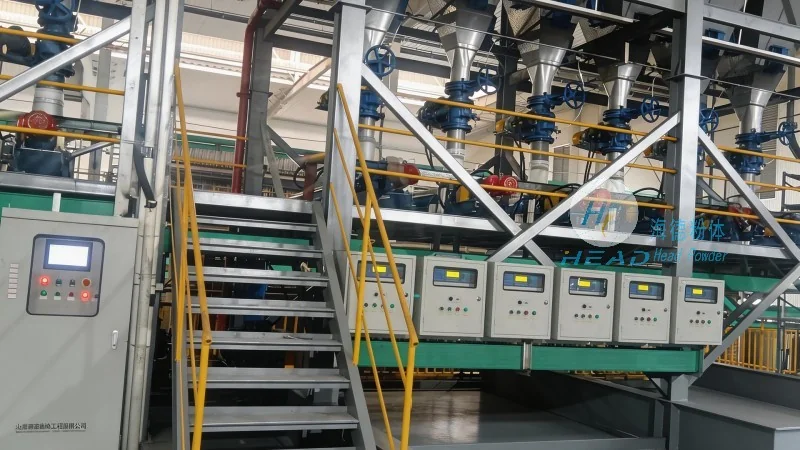
Introduction to Dust-Free Closed Powder Pneumatic Conveying Equipment
Dust-free closed powder pneumatic conveying systems are engineered to transport bulk powders and granular materials from one location to another without exposing the material to the external environment. Unlike traditional open systems that can lead to dust contamination and material loss, these closed systems maintain a controlled environment, ensuring product integrity and compliance with environmental regulations. The equipment is widely used in various industries, including food processing, pharmaceuticals, chemicals, and minerals, where maintaining product purity and preventing contamination is critical.
Key Components of the Equipment
The dust-free closed powder pneumatic conveying system typically consists of several key components that work in tandem to achieve efficient and reliable material transport. These components include a material hopper or feeder, a conveying pipeline system, a positive displacement blower or air compressor, a filter system, and a discharge unit. Each component plays a crucial role in the overall operation of the system, ensuring smooth and continuous material flow.
Operation Process of the Equipment
The operation process of the dust-free closed powder pneumatic conveying equipment begins with the loading of the bulk material into the material hopper. The hopper is equipped with a feeder, which can be a rotary valve or a screw feeder, responsible for controlling the flow rate of the material into the conveying pipeline. Once the material is loaded, the positive displacement blower or air compressor is activated, generating a high-pressure air stream that moves through the pipeline. The air stream carries the material particles, creating a dense phase or dilute phase flow depending on the system design. The conveying pipeline is designed with appropriate bends and fittings to guide the material and air mixture to the discharge point. At the discharge end, the material is separated from the air using a filter system, and the clean air is then released back into the environment or recirculated if necessary. The entire process is automated, with sensors and control systems monitoring the flow rate, pressure, and other parameters to ensure optimal performance.
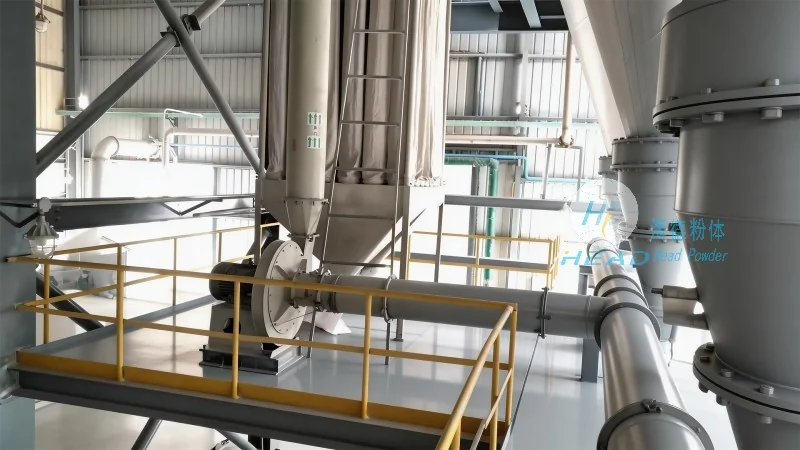
Working Principle of the Equipment
The working principle of the dust-free closed powder pneumatic conveying equipment is based on the principle of pneumatic transport, where the material is suspended and transported by an air stream. The system operates under positive pressure, meaning the air pressure inside the pipeline is higher than the ambient pressure. This positive pressure ensures that the material is continuously pushed forward through the pipeline, preventing backflow and ensuring a consistent flow rate. The blower or air compressor provides the necessary air pressure and volume to maintain the material suspension. The filter system is a critical component that separates the material from the air, preventing dust emissions and maintaining a clean environment. The system can operate in either dense phase or dilute phase mode. In dense phase mode, the material is transported in a compacted form, reducing the risk of material degradation and increasing the conveying distance. In dilute phase mode, the material is transported in a more dispersed form, suitable for shorter conveying distances and lower material loads.
Advantages of Dust-Free Closed Powder Pneumatic Conveying Equipment
One of the primary advantages of dust-free closed powder pneumatic conveying equipment is its ability to maintain product purity and prevent contamination. By keeping the material enclosed within the system, it eliminates the risk of dust exposure and cross-contamination, which is particularly important in industries such as food and pharmaceuticals. Another advantage is the high conveying efficiency, as the system can transport large quantities of material over long distances with minimal energy consumption. The equipment also offers flexibility in terms of material handling, as it can handle a wide range of powder and granular materials, including fine powders, bulk materials, and even sticky or cohesive materials. Additionally, the closed system design reduces the risk of material loss and environmental pollution, making it an environmentally friendly solution for industrial material transport.
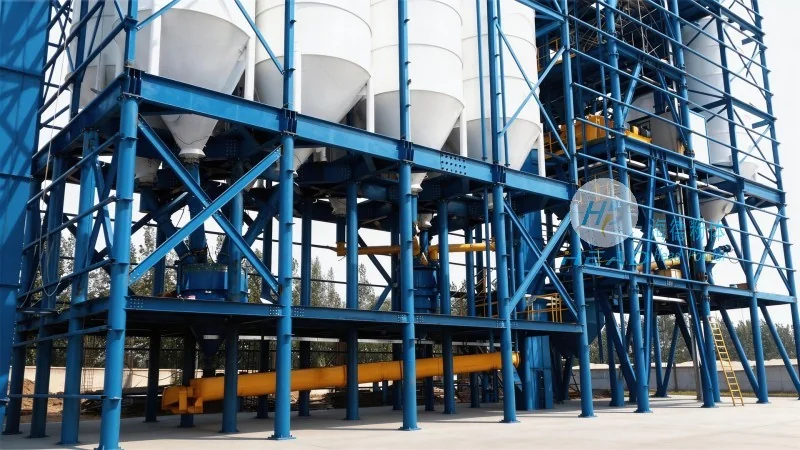
Applications and Industries
Dust-free closed powder pneumatic conveying equipment is widely used in various industries due to its versatility and efficiency. In the food industry, it is used to transport ingredients such as flour, sugar, and spices without compromising their quality or flavor. In the pharmaceutical industry, it is used to transport active pharmaceutical ingredients (APIs) and excipients, ensuring that the materials remain sterile and free from contamination. In the chemical industry, it is used to transport chemicals, pigments, and other hazardous materials, providing a safe and controlled environment for handling. In the minerals and mining industry, it is used to transport raw materials such as coal, ore, and sand, improving the efficiency of material processing and reducing the risk of dust exposure for workers.
Maintenance and Safety Considerations
Proper maintenance and safety considerations are essential for ensuring the long-term performance and reliability of dust-free closed powder pneumatic conveying equipment. Regular maintenance, including cleaning the filter system, checking the blower or air compressor, and inspecting the conveying pipeline for any blockages or leaks, is crucial to prevent system failures and maintain optimal performance. Safety considerations include ensuring that the system is properly grounded to prevent electrical hazards, using appropriate personal protective equipment (PPE) when handling materials, and implementing emergency shutdown procedures in case of system malfunctions. Additionally, the system should be designed and installed in accordance with relevant safety standards and regulations to ensure the safety of personnel and the environment.
Conclusion
Dust-free closed powder pneumatic conveying equipment is a highly efficient and reliable solution for transporting bulk powders and granular materials in various industrial applications. By maintaining a controlled environment and preventing contamination, it ensures product integrity and compliance with environmental regulations. The equipment's ability to handle a wide range of materials and operate over long distances makes it an ideal choice for industries that require high-quality material transport. With proper maintenance and safety considerations, this equipment can provide long-term performance and reliability, making it a valuable investment for industrial operations.