

Introduction to Micro-Silica Powder Pneumatic Conveying System Equipment and Structural Principles
Micro-silica powder, a critical material in various industrial applications, requires efficient and reliable handling to maintain product quality and operational efficiency. The micro-silica powder pneumatic conveying system, developed by Shandong HeadPowder Engineering Co., Ltd., addresses these needs through a sophisticated design that integrates advanced engineering principles and robust construction. This system is engineered to handle the unique properties of micro-silica powder, ensuring minimal dust generation, consistent flow rates, and optimal material transport from source to destination.
Structural Principles of the Pneumatic Conveying System
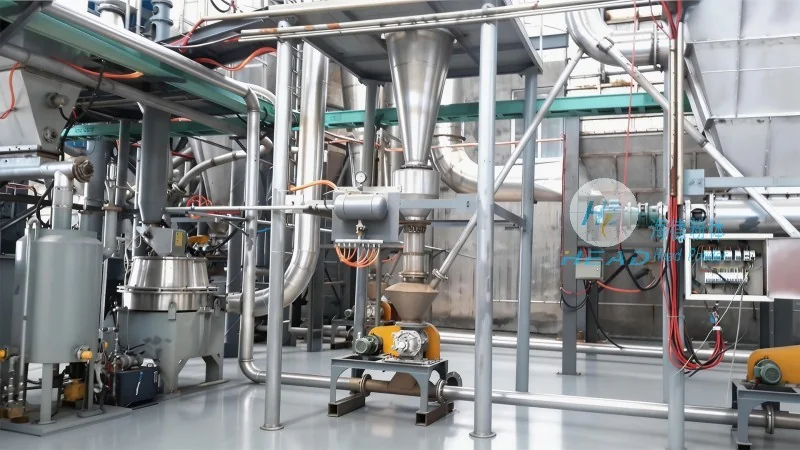
The core of the micro-silica powder pneumatic conveying system lies in its pneumatic transport mechanism, which utilizes air as the conveying medium to move powder particles. The system operates on the principle of differential pressure, where air is introduced into the conveying line to create a pressure differential that propels the powder. Key components include the feeding unit, conveying line, separation and collection system, and control panel. The feeding unit ensures a controlled and uniform introduction of micro-silica powder into the system, preventing blockages and maintaining consistent flow. The conveying line, typically made of high-quality materials resistant to corrosion and abrasion, is designed to withstand the abrasive nature of micro-silica particles. The separation and collection system, equipped with advanced filtration and cyclone technology, efficiently separates the powder from the air stream, ensuring minimal loss and clean air discharge. The control panel provides real-time monitoring and adjustment of system parameters, such as air pressure, flow rate, and temperature, to optimize performance and maintain product integrity.
Key Components and Their Functions
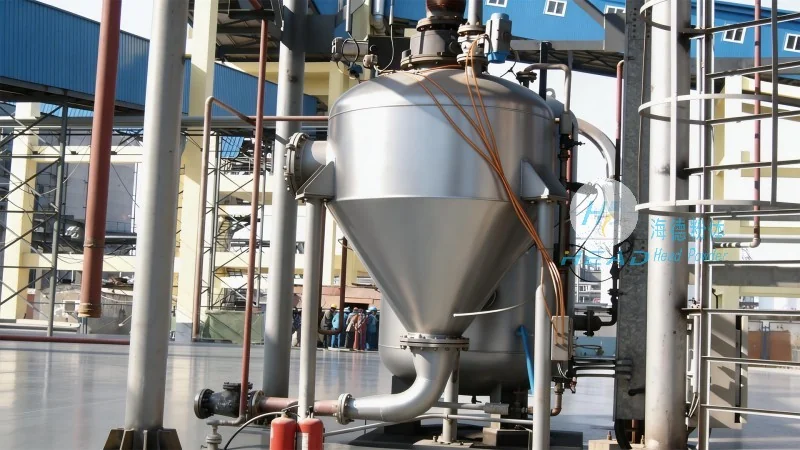
The micro-silica powder pneumatic conveying system comprises several essential components, each playing a vital role in the overall operation. The feeding hopper is the initial component where micro-silica powder is stored and prepared for transport. It is equipped with a rotary valve or star feeder to regulate the flow of powder into the conveying line, ensuring a steady supply without causing overfilling or underfilling. The conveying line, often made of stainless steel or other corrosion-resistant materials, is designed to handle the abrasive properties of micro-silica particles, which can cause wear and tear over time. The line includes bends, elbows, and straight sections, each strategically placed to maintain the flow of powder and air. The separation unit, typically a cyclone separator, uses centrifugal force to separate the powder from the air. As the air and powder mixture enters the cyclone, the heavier powder particles are forced to the wall and fall to the collection hopper, while the clean air is discharged through the top. The collection hopper stores the separated micro-silica powder, ready for further processing or use. The control system, integrated with sensors and valves, monitors and adjusts the system's performance in real-time. Sensors detect pressure, flow, and temperature, while the control panel allows operators to adjust settings to maintain optimal conditions. This ensures that the system operates efficiently and safely, minimizing downtime and maximizing productivity.
Advantages of the Micro-Silica Powder Pneumatic Conveying System
Shandong HeadPowder Engineering Co., Ltd.'s micro-silica powder pneumatic conveying system offers several advantages that make it a preferred choice for industrial applications. One of the primary benefits is its ability to handle fine powders like micro-silica without causing dust or contamination. The system's design minimizes the risk of particle agglomeration, ensuring that the powder remains in a free-flowing state throughout the transport process. This is crucial for maintaining the quality of micro-silica powder, which is often used in applications where purity and consistency are critical, such as in the production of silicone products, refractory materials, and coatings. Another advantage is the system's energy efficiency. By using air as the conveying medium, the system reduces the need for mechanical conveyors, which can be energy-intensive and require more maintenance. The pneumatic system operates with lower energy consumption, leading to cost savings over time. Additionally, the system is highly flexible and can be customized to suit different production requirements. Whether the application involves short or long-distance transport, high or low flow rates, the system can be adjusted to meet the specific needs of the operation. The modular design allows for easy installation and maintenance, reducing downtime and increasing overall productivity. The system also complies with industrial safety standards, ensuring that it operates in a safe and environmentally friendly manner. The use of advanced filtration and dust collection systems minimizes the release of fine particles into the environment, contributing to a cleaner and safer working environment.
Applications and Industries
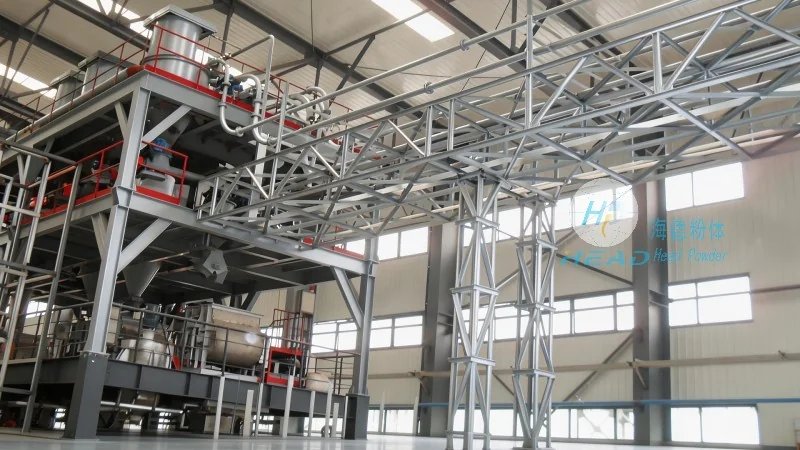
The micro-silica powder pneumatic conveying system is widely used in various industries that require the handling of fine powders. In the silicone industry, micro-silica is used as a filler in silicone rubber and resin products. The system ensures that the micro-silica powder is transported efficiently to the production line, maintaining the quality of the final product. In the refractory industry, micro-silica is used to produce high-temperature refractory materials, which require consistent and pure powder. The system's ability to handle the abrasive nature of micro-silica particles makes it ideal for this application. In the coatings and paints industry, micro-silica is used as a pigment or filler, and the system ensures that the powder is delivered to the mixing process without contamination. Other industries that benefit from this system include the pharmaceutical industry, where the purity of powders is critical, and the food industry, where the system can be adapted to handle food-grade micro-silica powders. The versatility of the system makes it suitable for a wide range of applications, from small-scale production to large-scale industrial operations.