

Design Considerations for the Pneumatic Conveying System of Rare Earth Ore Powder
When designing a pneumatic conveying system for rare earth ore powder, several critical factors must be considered to ensure efficiency, safety, and long-term operational reliability. The system's performance is heavily influenced by the characteristics of the material being conveyed, as well as the specific application requirements. This article outlines key design considerations that professionals in the field should address when developing such systems.
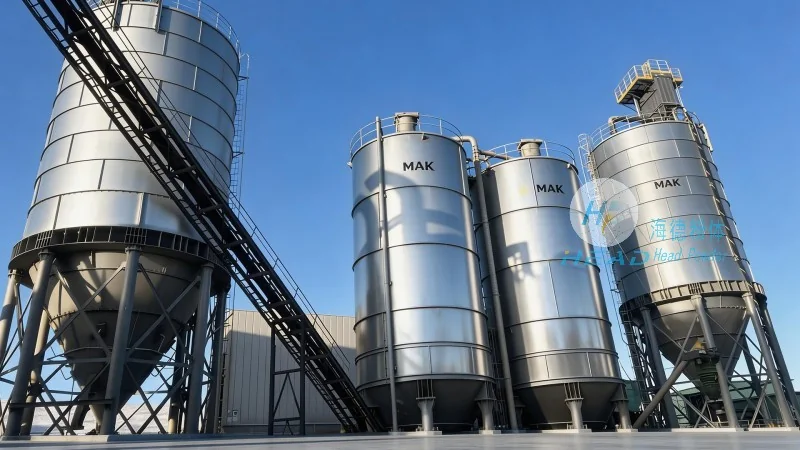
Material Properties and Flow Characteristics
The first step in designing a pneumatic conveying system is to thoroughly analyze the properties of the rare earth ore powder. Key parameters include particle size distribution, density, moisture content, and flowability. These characteristics directly impact the system's air velocity requirements, pressure drop, and overall energy consumption. For example, finer particles may require higher air velocities to maintain a stable flow, while coarser particles might necessitate larger duct diameters to prevent blockages. Understanding the material's behavior under different conveying conditions is essential for selecting the appropriate conveying method—such as dilute-phase or dense-phase transport—and determining the optimal air-to-solid ratio.
System Configuration and Components
The configuration of the pneumatic conveying system plays a pivotal role in its effectiveness. A typical system includes several core components: a material feed hopper, a blower or compressor to generate the conveying air, a pipeline network to transport the material, and a discharge or collection unit. The choice of blower type—whether positive displacement or centrifugal—depends on the system's pressure and flow requirements. Positive displacement blowers are often preferred for high-pressure, low-flow applications, while centrifugal blowers are suitable for lower pressure, higher flow rates. The pipeline design, including the diameter, material, and bends, must be optimized to minimize pressure losses and prevent material deposition. Additionally, the inclusion of features like cyclones for separation, filters for air purification, and pressure relief valves enhances system safety and operational efficiency.
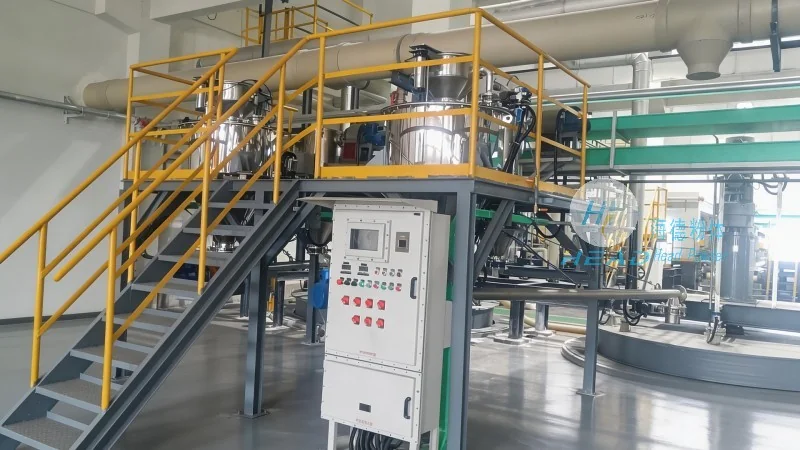
Pressure and Flow Rate Management
Effective management of pressure and flow rate is crucial for maintaining the stability of the conveying process. The system must be designed to handle the pressure drop across the pipeline, which is influenced by factors such as pipe length, diameter, and the number of bends or fittings. Proper sizing of the blower or compressor ensures that sufficient air pressure is available to overcome these losses and maintain a consistent flow rate. Monitoring tools, such as pressure transducers and flow meters, are essential for real-time control and adjustment of the system. This allows operators to respond quickly to changes in material feed rate or pipeline conditions, preventing issues like surging or clogging. The balance between air pressure and flow rate is critical to avoid excessive energy consumption or damage to system components.
Material Handling and Safety Considerations
Ensuring safe and efficient material handling is a top priority in pneumatic conveying system design. The system must be equipped with safety features to prevent dust explosions, which are a significant risk with combustible materials like rare earth powders. This includes the installation of explosion-proof components, such as spark arrestors and flame arrestors, as well as proper grounding and bonding of the system. Additionally, the design should incorporate measures to minimize dust exposure, such as sealed feed hoppers and enclosed pipelines. Regular maintenance and inspection of the system are also essential to identify and address potential hazards before they lead to accidents. By prioritizing safety in the design phase, operators can reduce the risk of incidents and ensure compliance with regulatory standards.
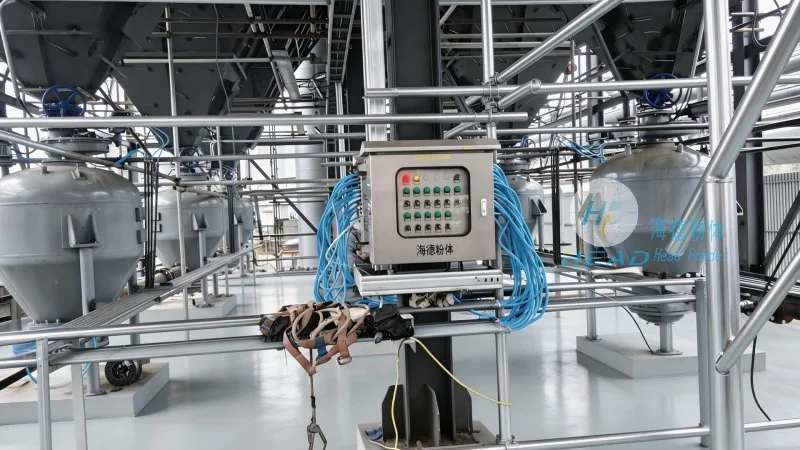
Integration with Existing Infrastructure
When integrating a new pneumatic conveying system into an existing facility, compatibility with the surrounding infrastructure is a key consideration. This includes matching the system's power requirements with the available electrical supply and ensuring that the pipeline layout does not interfere with other equipment or processes. The system's footprint and installation requirements must also be evaluated to avoid conflicts with existing structures or operational constraints. A thorough site assessment helps identify potential challenges and allows for the design of a system that seamlessly integrates with the current operations. This integration minimizes downtime during installation and ensures that the new system operates in harmony with the existing production line.
Long-Term Maintenance and Durability
The long-term performance and durability of the pneumatic conveying system are critical factors in its overall cost-effectiveness. The selection of materials for components such as pipelines, valves, and hoppers is essential to withstand the abrasive nature of rare earth ore powder. Stainless steel or high-grade alloys are often used for components that come into direct contact with the material to prevent corrosion and wear. Regular maintenance schedules, including cleaning of filters, inspection of seals, and replacement of worn parts, are necessary to maintain system efficiency. The design should also include features that facilitate maintenance, such as easy access to components and clear labeling of parts. By prioritizing durability and maintenance in the design, the system can operate reliably for extended periods, reducing downtime and maintenance costs.