

Design Considerations for Light-Weight Micropowder Pneumatic Conveying Systems
For industrial applications involving the handling of light-weight micropowders, the design of an efficient pneumatic conveying system is crucial. This article outlines key considerations to ensure optimal performance, reliability, and cost-effectiveness in such systems, with a focus on the expertise of Shandong HeadPowder Engineering Co., Ltd., a leading provider in the field.
System Sizing and Material Characteristics
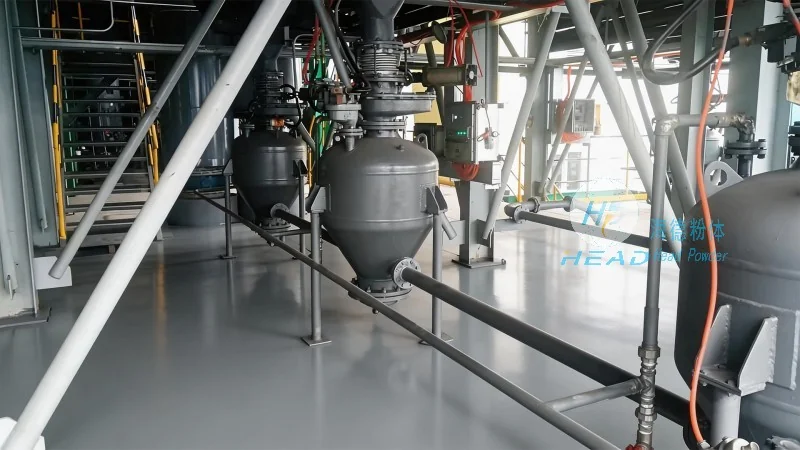
The first step in designing a pneumatic conveying system for light-weight micropowders is to accurately assess the material's properties. Key factors include particle size, density, moisture content, and flowability. These characteristics directly impact the selection of the conveying method (e.g., dilute-phase or dense-phase) and the required air velocity. For light-weight powders, which tend to have low bulk density and high air resistance, a dilute-phase system is often preferred as it minimizes pressure drops and ensures consistent flow. The system's capacity must be matched to the production rate, with considerations for surge tanks or feed hoppers to manage fluctuations in material supply.
Equipment Selection and Component Integration
Choosing the right equipment is critical for the success of the pneumatic conveying system. The primary components include the air compressor, feeders, conveying lines, and separation or collection units. For light-weight micropowders, the air compressor should be capable of delivering sufficient pressure and flow rate to overcome the material's resistance. The feeder, such as a rotary valve or screw feeder, must be designed to handle the material's flow characteristics without causing blockages or degradation. Conveying lines should be made of materials resistant to corrosion and wear, with appropriate diameters to maintain the desired air velocity. The separation unit, like a cyclone or bag filter, is essential to prevent material loss and ensure clean air discharge. Proper integration of these components, with attention to sealing and alignment, is vital to avoid leaks and maintain system efficiency.
Pressure Drop and Energy Efficiency
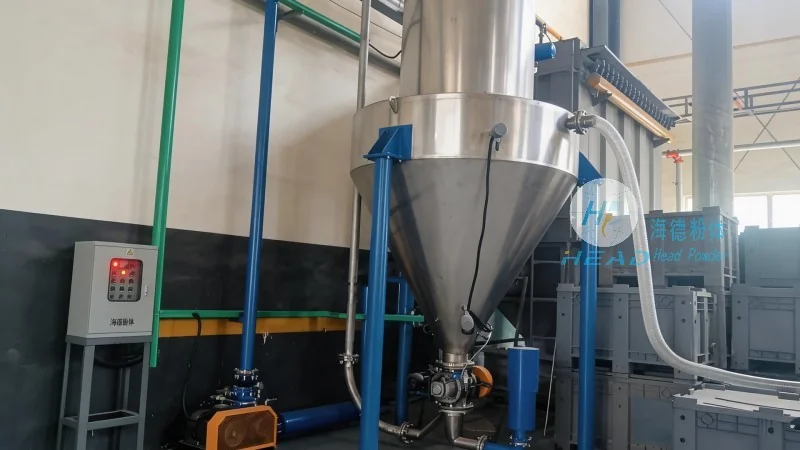
Managing pressure drop is a key design consideration to optimize energy consumption. Excessive pressure drop can lead to higher energy costs and reduced system performance. Factors influencing pressure drop include the length and diameter of the conveying line, the number of bends, and the material's frictional properties. Designers must calculate the pressure drop for each segment of the system and ensure that the compressor can handle the total pressure requirement. Energy-efficient solutions, such as variable frequency drives (VFDs) for the compressor and optimized line layouts, can significantly reduce operational costs over the system's lifespan.
Material Handling and Process Integration
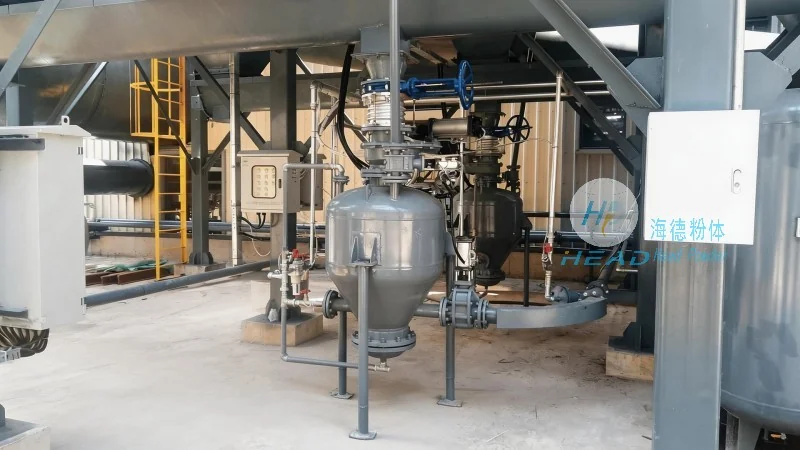
The pneumatic conveying system must be seamlessly integrated into the overall production process. This includes considerations for feed points, discharge points, and intermediate storage. For light-weight micropowders, which may be sensitive to moisture or contamination, the system should incorporate features like moisture control and dust suppression to maintain material quality. The design should also account for safety measures, such as explosion-proof components and emergency shut-off valves, to protect personnel and equipment. Proper maintenance planning, including regular cleaning and component replacement, is essential to ensure long-term reliability and minimize downtime.
Case Study: HeadPowder's Expertise
Shandong HeadPowder Engineering Co., Ltd. specializes in the design and implementation of pneumatic conveying systems tailored to the unique needs of light-weight micropowders. With years of experience in the industry, HeadPowder has developed a comprehensive approach to system design, focusing on material characterization, equipment selection, and process integration. Their team of engineers works closely with clients to understand their specific requirements, from production capacity to material properties, and provides customized solutions that meet both performance and budget constraints. By leveraging advanced technology and rigorous testing, HeadPowder ensures that their systems deliver reliable, efficient, and cost-effective material handling solutions for various industrial applications.