

Design Considerations for the Pneumatic Conveying System of Molybdenum Trioxide
Welcome to Shandong HeadPowder Engineering Co., Ltd., a leading provider of specialized engineering solutions for industrial material handling. This article focuses on the critical design considerations for pneumatic conveying systems specifically tailored for molybdenum trioxide (MoO₃), a high-value chemical compound widely used in various industries such as electronics, ceramics, and chemical manufacturing. By understanding these key factors, you can ensure the efficiency, safety, and longevity of your molybdenum trioxide handling operations.
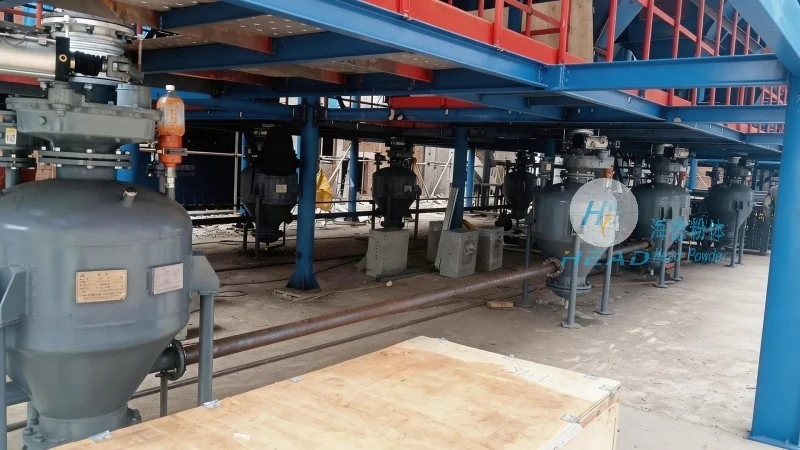
Understanding the Importance of System Design for Molybdenum Trioxide
Molybdenum trioxide is a fine, often dusty powder with unique physical and chemical properties that require careful consideration during the design of pneumatic conveying systems. Unlike bulk materials, MoO₃ particles are typically small and can be prone to agglomeration or static charge accumulation. Proper system design is essential to prevent material degradation, ensure consistent flow rates, and maintain system efficiency. At HeadPowder, we specialize in engineering solutions that address these challenges, ensuring optimal performance for our clients.
Key Design Factors for Pneumatic Conveying Systems
When designing a pneumatic conveying system for molybdenum trioxide, several critical factors must be evaluated to achieve reliable and efficient operation. These include:
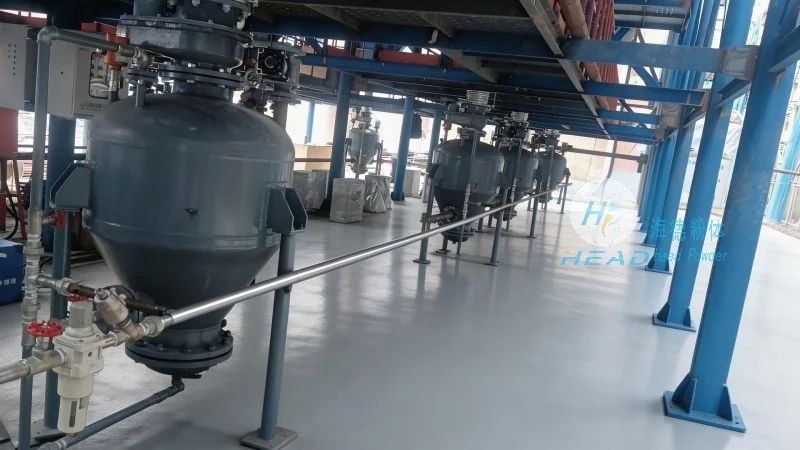
1. Material Characteristics and Flow Properties Molybdenum trioxide has specific density, particle size distribution, and moisture content that influence how it behaves in a conveying system. Understanding these properties helps in selecting the appropriate air velocity, pipe diameter, and system configuration. Our engineering team conducts thorough material analysis to tailor the system design to the unique characteristics of MoO₃.
2. System Configuration and Layout The layout of the conveying system, including the number of transfer points, vertical and horizontal runs, and the placement of equipment such as cyclones, filters, and receivers, significantly impacts system performance. A well-planned layout minimizes pressure drops and reduces the risk of material blockages. At HeadPowder, we use advanced computational fluid dynamics (CFD) simulations to optimize system layouts before construction.
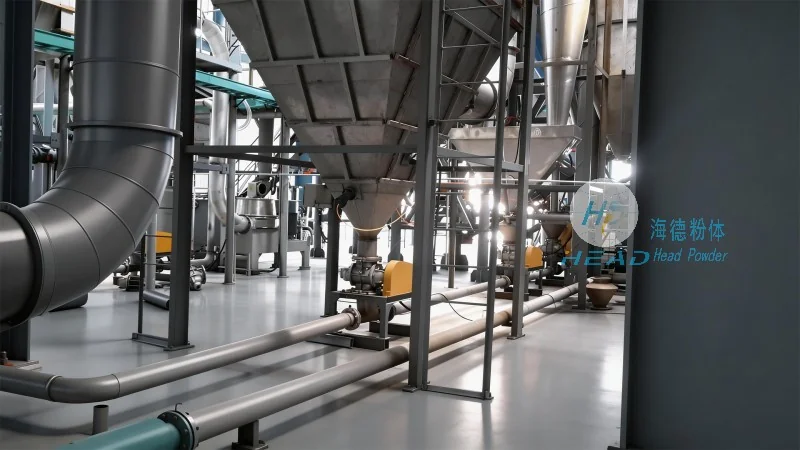
3. Airflow Management and Pressure Drop Maintaining consistent airflow is crucial for the smooth transport of molybdenum trioxide. Proper sizing of the air compressor, ductwork, and control valves ensures that the system operates within optimal pressure ranges. High pressure drops can lead to increased energy consumption and potential system failures. Our systems are designed with energy efficiency in mind, using advanced control strategies to minimize operational costs.
4. Equipment Selection and Material Compatibility The choice of equipment, such as pumps, valves, and filters, must be compatible with molybdenum trioxide to prevent corrosion or material buildup. Stainless steel and specialized coatings are often used in components that come into direct contact with the material. We select high-quality, durable equipment from reputable manufacturers to ensure long-term reliability.
5. Safety and Environmental Considerations Handling molybdenum trioxide requires adherence to safety regulations to protect personnel and the environment. Proper dust collection systems, explosion-proof designs, and material handling protocols are essential. Our systems incorporate safety features such as pressure relief valves, dust suppression systems, and automated shutdown mechanisms to comply with industry standards.
Customized Solutions for Diverse Applications
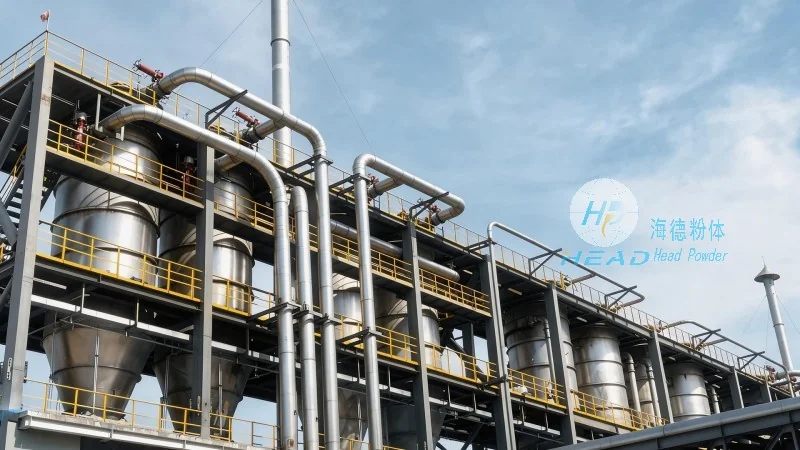
At Shandong HeadPowder Engineering Co., Ltd., we recognize that each molybdenum trioxide application has unique requirements. Whether you need a system for bulk handling, fine powder transport, or integration with existing production lines, our team works closely with you to develop customized solutions. We consider factors such as production capacity, material flow rates, and operational environment to design a system that meets your specific needs. Our expertise in material handling and pneumatic conveying allows us to deliver systems that are not only efficient but also scalable and adaptable to future changes in your operations.
Conclusion and Contact Information
Designing a pneumatic conveying system for molybdenum trioxide involves careful consideration of material properties, system layout, airflow management, equipment selection, and safety. By partnering with Shandong HeadPowder Engineering Co., Ltd., you gain access to expert engineering services and customized solutions that ensure the reliable and efficient handling of your molybdenum trioxide. Our commitment to quality, safety, and customer satisfaction has made us a trusted partner in the industry. For more information about our pneumatic conveying systems or to discuss your specific project requirements, please contact us at our office in Shandong, China.