

Design Considerations for the Pneumatic Conveying System of Sodium Bicarbonate
When designing a pneumatic conveying system for sodium bicarbonate, several critical factors must be considered to ensure efficiency, reliability, and safety. The system's performance is directly influenced by the material's properties, such as its bulk density, flowability, and moisture content. These characteristics dictate the choice of conveying method—whether it's a positive or negative pressure system—and the appropriate equipment selection.
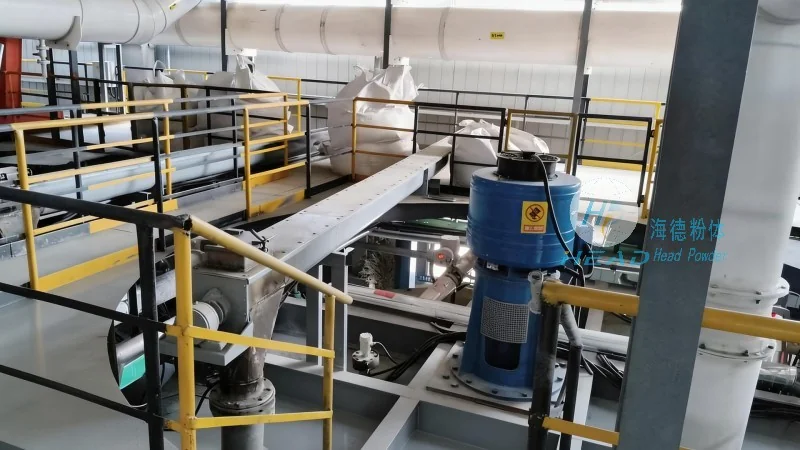
Key Design Considerations for Material Handling
One of the primary considerations is the material's particle size distribution and shape. Sodium bicarbonate typically consists of fine, irregular particles, which can lead to issues like blockages or uneven flow if not properly managed. To mitigate these risks, engineers often incorporate features like pre-drying, particle size classification, or the use of flexible hoses and elbows that can accommodate the material's tendency to settle or agglomerate. The system must also account for the material's reactivity with air or moisture, as sodium bicarbonate can degrade or release carbon dioxide under certain conditions, affecting the conveying process and equipment lifespan.
System Pressure and Flow Rate Optimization
Optimizing the system's pressure and flow rate is essential for maintaining consistent material transport. High-pressure systems are generally more suitable for long-distance or high-resistance applications, while low-pressure systems are better for short distances or when handling fine powders. The flow rate must be matched to the material's bulk density and the system's capacity to avoid overloading or underutilizing the equipment. For sodium bicarbonate, a flow rate that ensures a uniform, continuous stream without excessive pressure drops is crucial. This involves calculating the required air velocity and pressure drop across each component, including the hopper, feeder, and pipeline, to prevent clogging and ensure smooth operation.
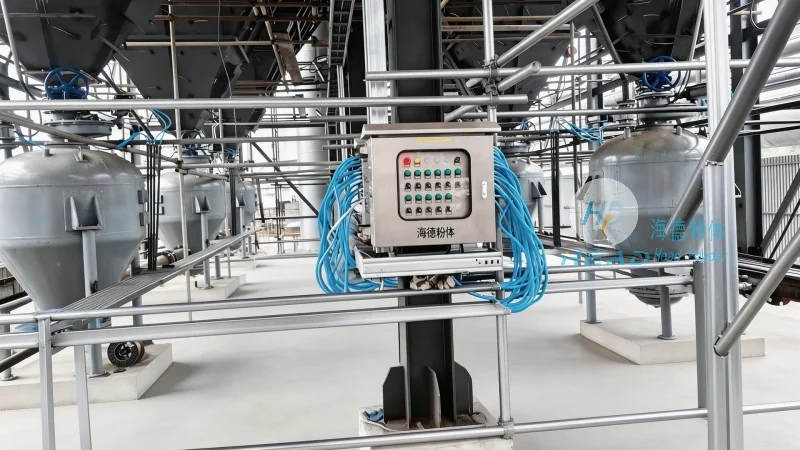
Equipment Selection and Integration
The choice of equipment, such as the hopper, rotary valve, and conveyor pipeline, directly impacts the system's performance. A properly designed hopper with a conical bottom and smooth interior reduces material buildup and ensures consistent feeding. The rotary valve must be selected based on the material's flowability; for sodium bicarbonate, a valve with a larger opening or a self-cleaning mechanism may be necessary to prevent blockages. The pipeline material, often stainless steel or PVC, must be resistant to corrosion from the sodium bicarbonate and any potential moisture, ensuring durability and longevity. Additionally, the integration of filters and cyclones is vital for maintaining air quality and preventing material deposition in the system, which can affect performance and safety.
Safety and Environmental Considerations
Safety is a paramount concern in the design of any material handling system, especially for sodium bicarbonate, which can release carbon dioxide when exposed to moisture or high temperatures. The system must include proper ventilation to prevent the accumulation of CO2, and pressure relief valves to mitigate overpressure risks. Additionally, the equipment must be designed to prevent dust explosions, which can occur with fine powders like sodium bicarbonate. This involves implementing explosion-proof designs, using non-combustible materials, and ensuring proper grounding and bonding of components. Environmental considerations also play a role, as the system should minimize dust emissions and ensure compliance with local regulations regarding air quality and waste disposal.
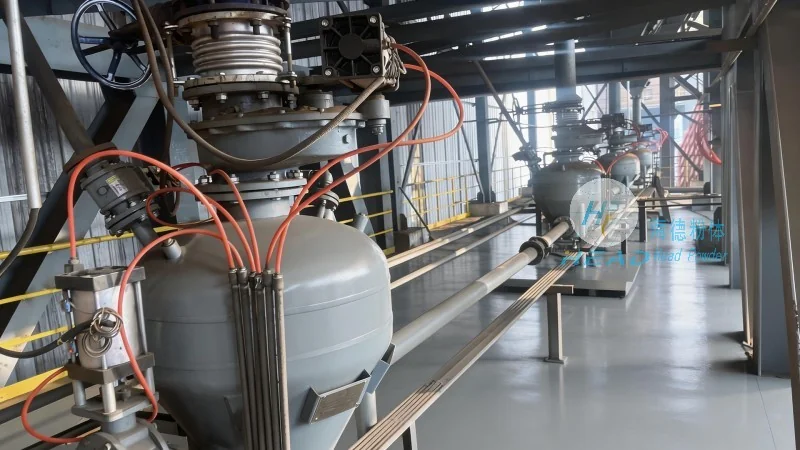
Maintenance and Operational Guidelines
Regular maintenance is critical to the long-term performance and reliability of the pneumatic conveying system. This includes routine checks of the hopper, feeder, and pipeline for signs of wear or blockage, as well as cleaning of filters and cyclones to maintain air quality. The system should be equipped with monitoring devices, such as pressure gauges and flow meters, to detect any deviations from normal operation and allow for timely adjustments. Operational guidelines, such as proper start-up and shutdown procedures, should be established to prevent damage to equipment and ensure safe handling of the material. For sodium bicarbonate, this may include pre-drying the material before conveying to reduce moisture content and prevent agglomeration, as well as regular inspection of the system for any signs of corrosion or degradation.
Conclusion
Designing a pneumatic conveying system for sodium bicarbonate requires a comprehensive approach that considers the material's properties, system requirements, and safety regulations. By addressing key factors such as material handling, pressure optimization, equipment selection, and maintenance, engineers can develop a reliable and efficient system that meets the needs of industrial applications. The expertise of companies like Shandong HeadPowder Engineering Co., Ltd., with their focus on tailored solutions for material handling systems, is essential in ensuring that these considerations are effectively implemented to achieve optimal performance and longevity.